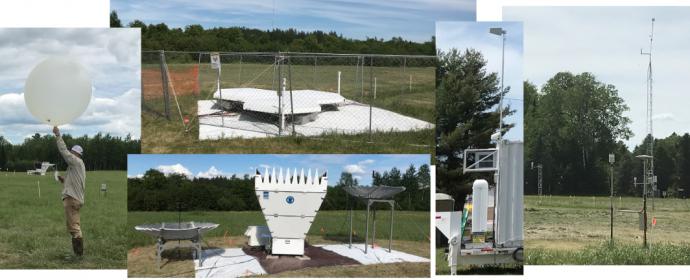
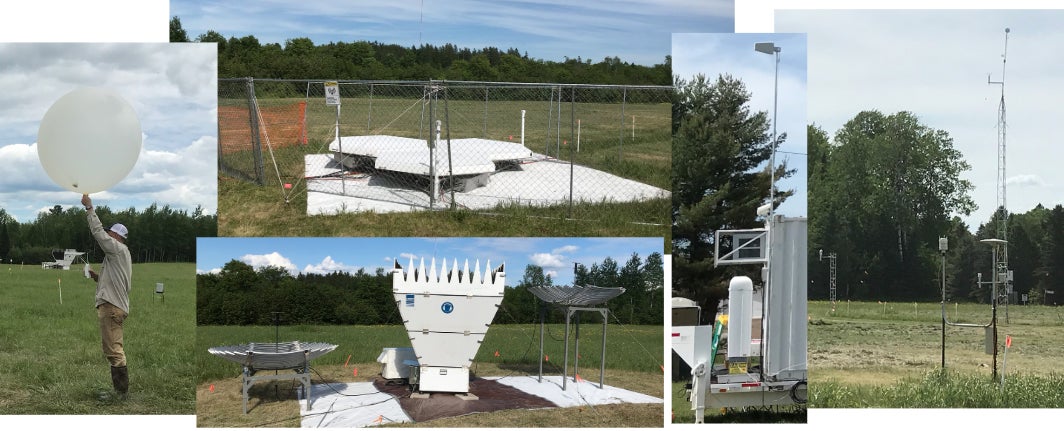
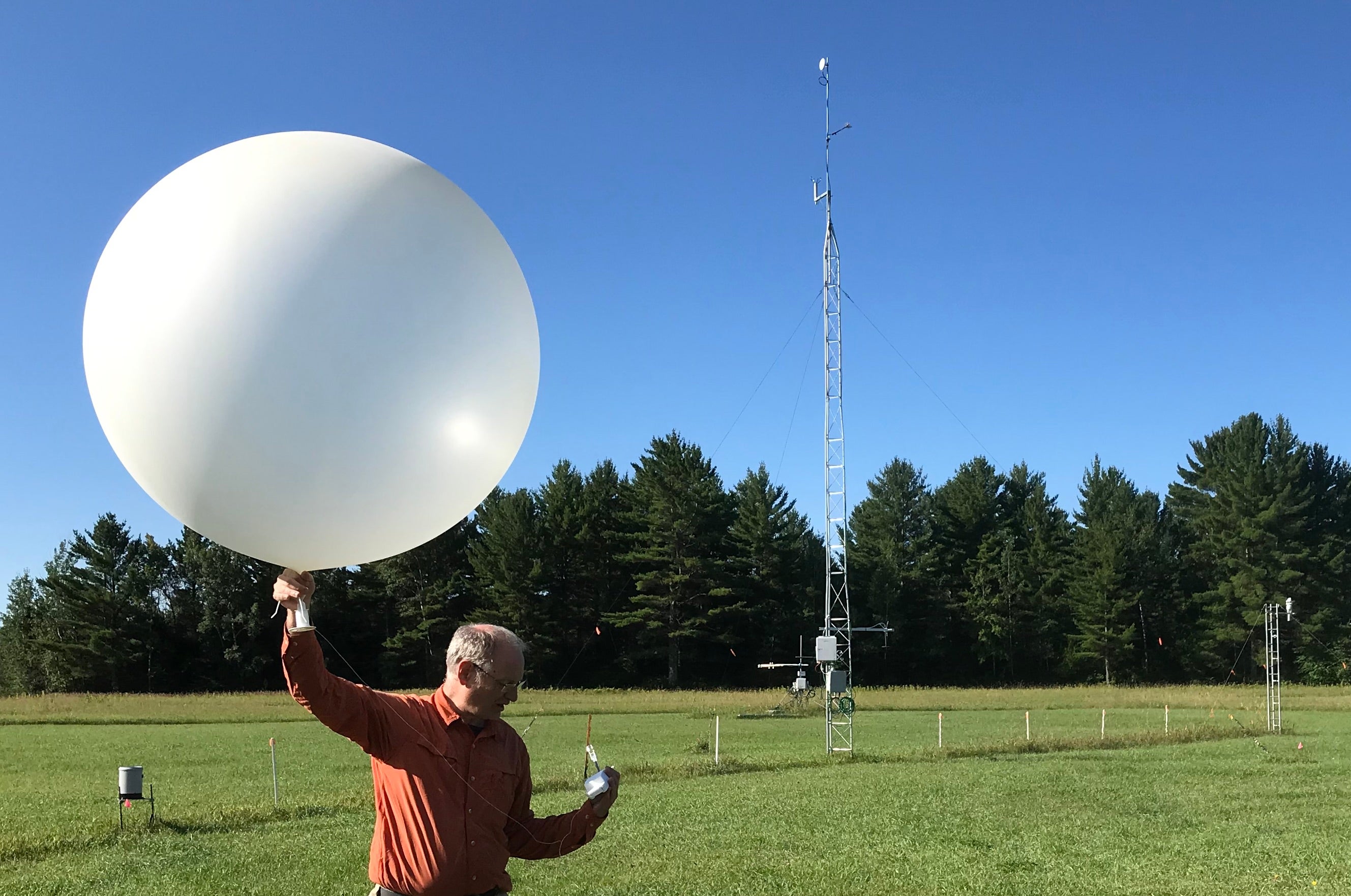
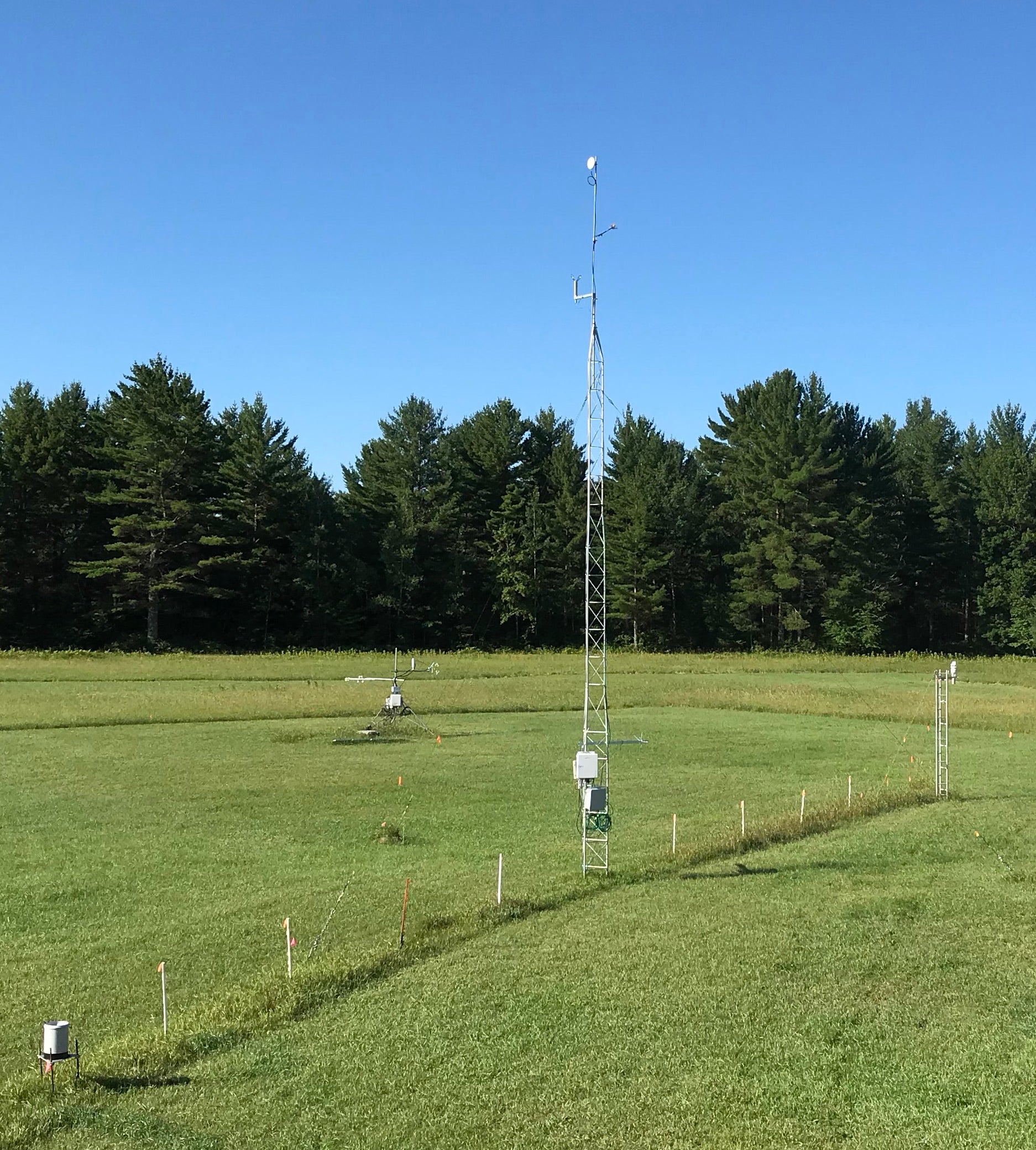
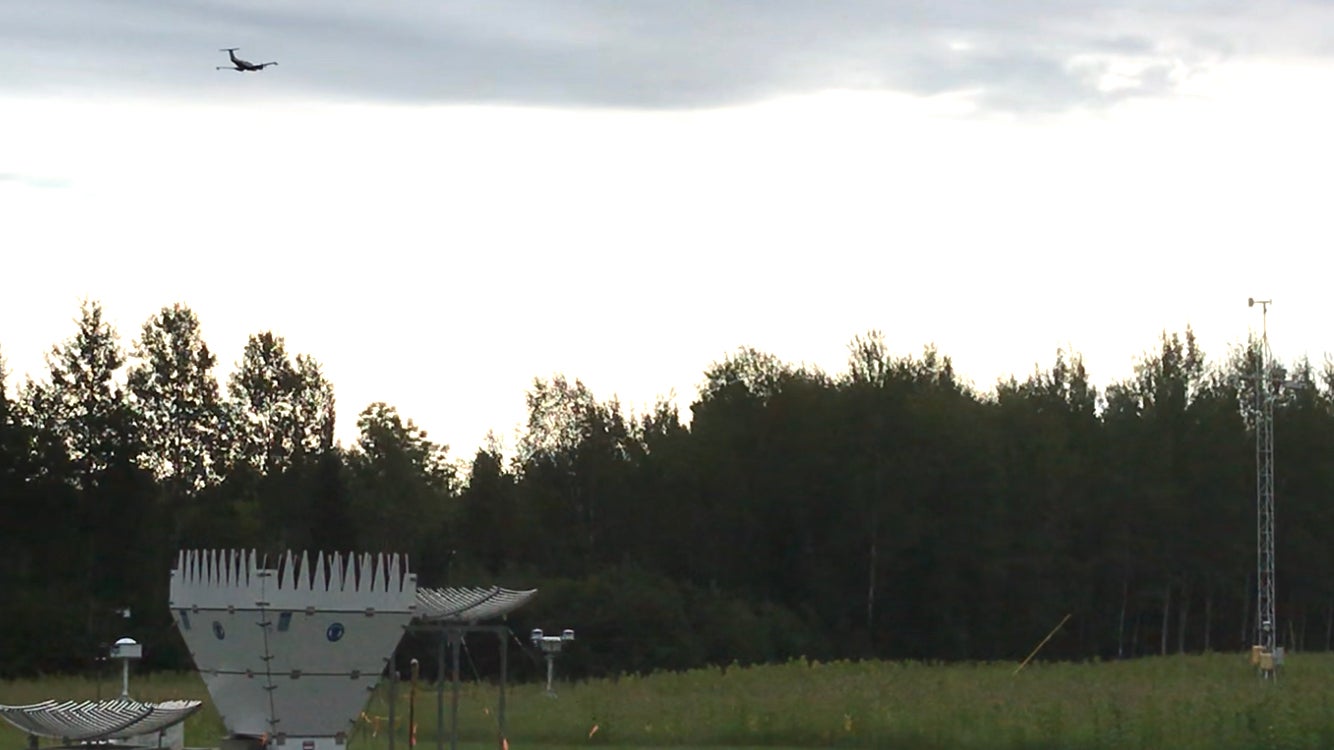
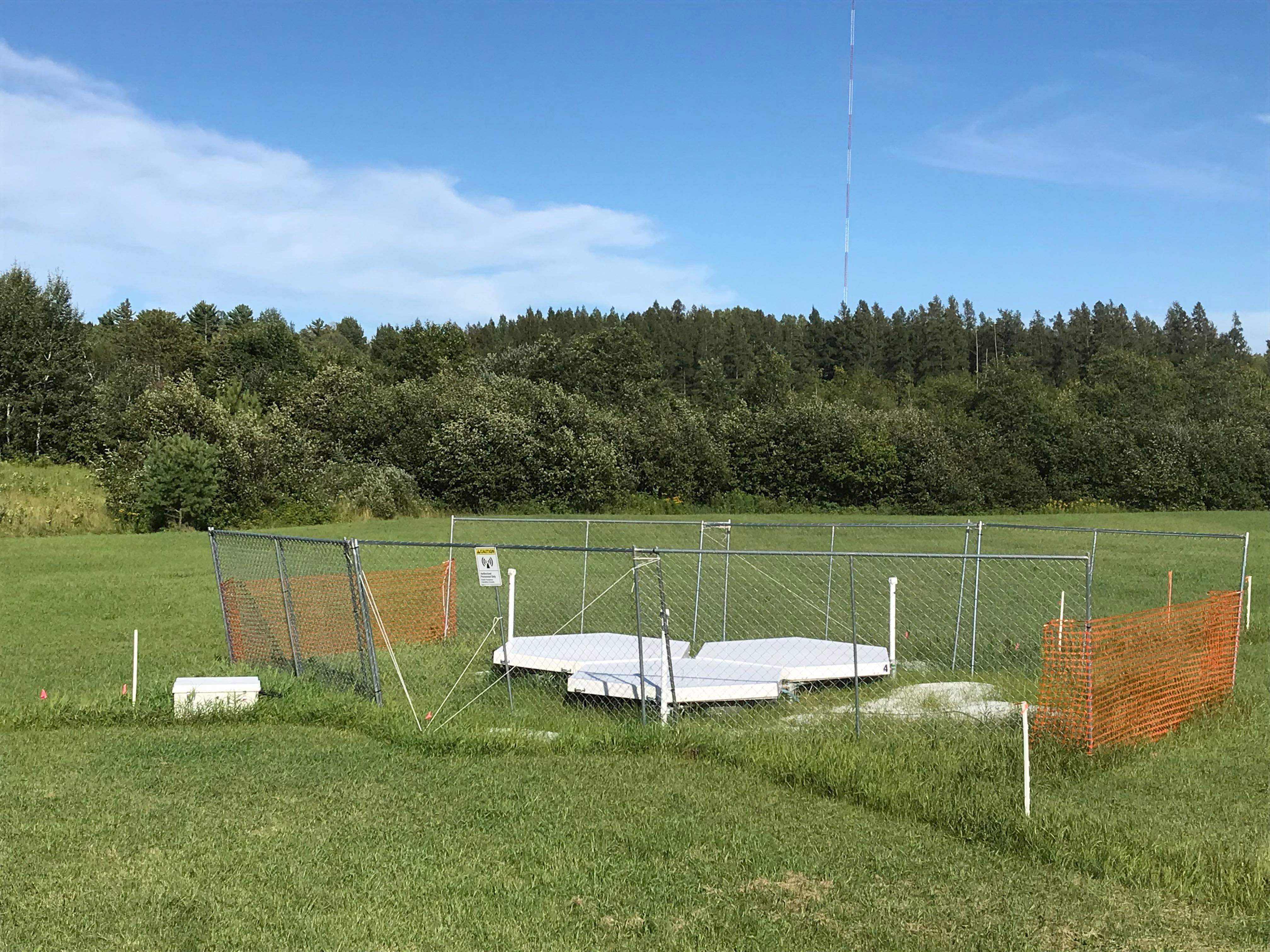
The Chequamegon Heterogeneous Ecosystem Energy-balance Study Enabled by a High-density Extensive Array of Detectors (CHEESEHEAD) project aims to provide a public database of the highest density sub-mesoscale surface energy balance observations and models simulations for years to come. We strive to provide open-access, curated, long-term archived data with rapid turnaround and broad publicity. Below we describe the products, standards, archival, and access plans. We intend to rely on the data ingest, harmonization, and archival services provided by the NCAR Earth Observing Laboratory Data Management and Services facility (EOL). EOL will maintain a CHEESEHEAD project website located at https://www.eol.ucar.edu/field_projects/cheesehead which will include project documentation including the CHEESEHEAD data policy and data management plan, publications, meetings and presentations. Project participants will follow all requirements of the CHEESEHEAD data policy. Preliminary and processed data, metadata, and quality control information will be provided to all researchers, regardless of affiliation with the project, as soon as it is available, freely, on a public website. Science progresses fastest when data are free.
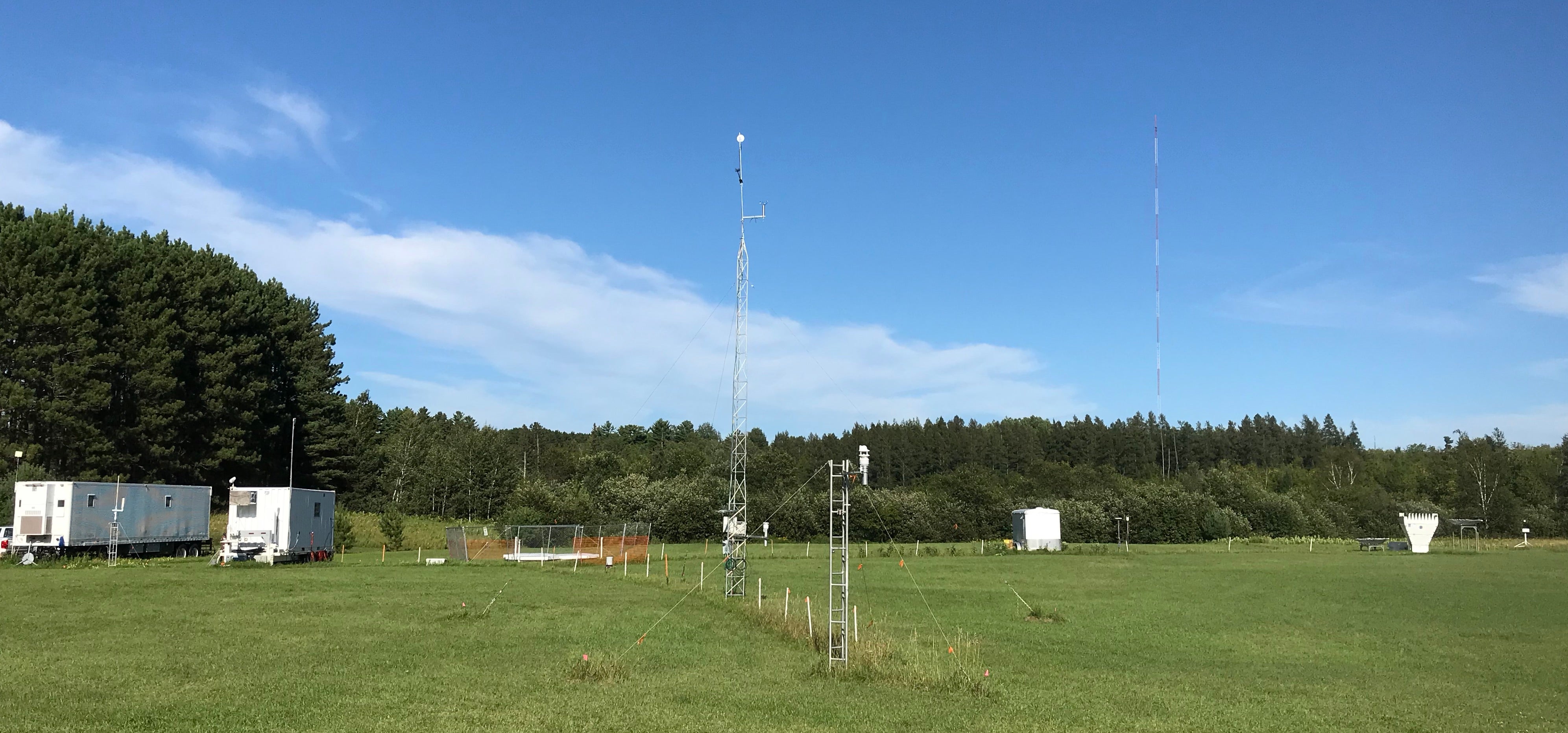
AmeriFlux tall tower and flux tower observations of raw turbulent and time series of momentum, heat, moisture, and greenhouse gases are collected continuously and uploaded hourly to Desai lab servers at University of Wisconsin, which are then immediately placed online in ASCII or binary formats for download by anyone. Each night, fluxes are processed from our public flux processing code and CSV files are uploaded to the Dept. of Energy (DOE) Lawrence Berkeley Lab (LBL) AmeriFlux Management Project and also made available immediately on Desai lab servers. Every 3 months, QA/QC processing is applied and Level 2 AmeriFlux BASE data products are produced and made available via the DOE LBL AmeriFlux website. We request that EOL link to or post a copy of these products when preliminary versions of the data are available prior to publication. We request EOL to mirror final, QC’d observations for the project period as part of the field project merged repository.
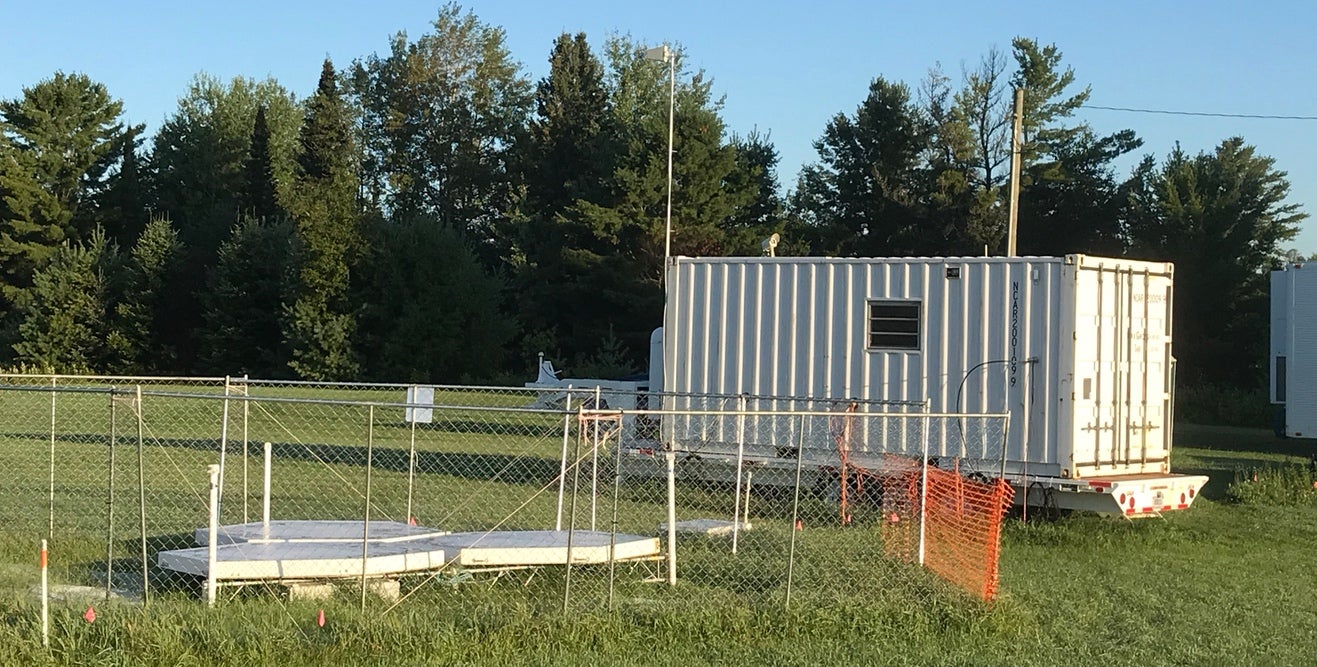
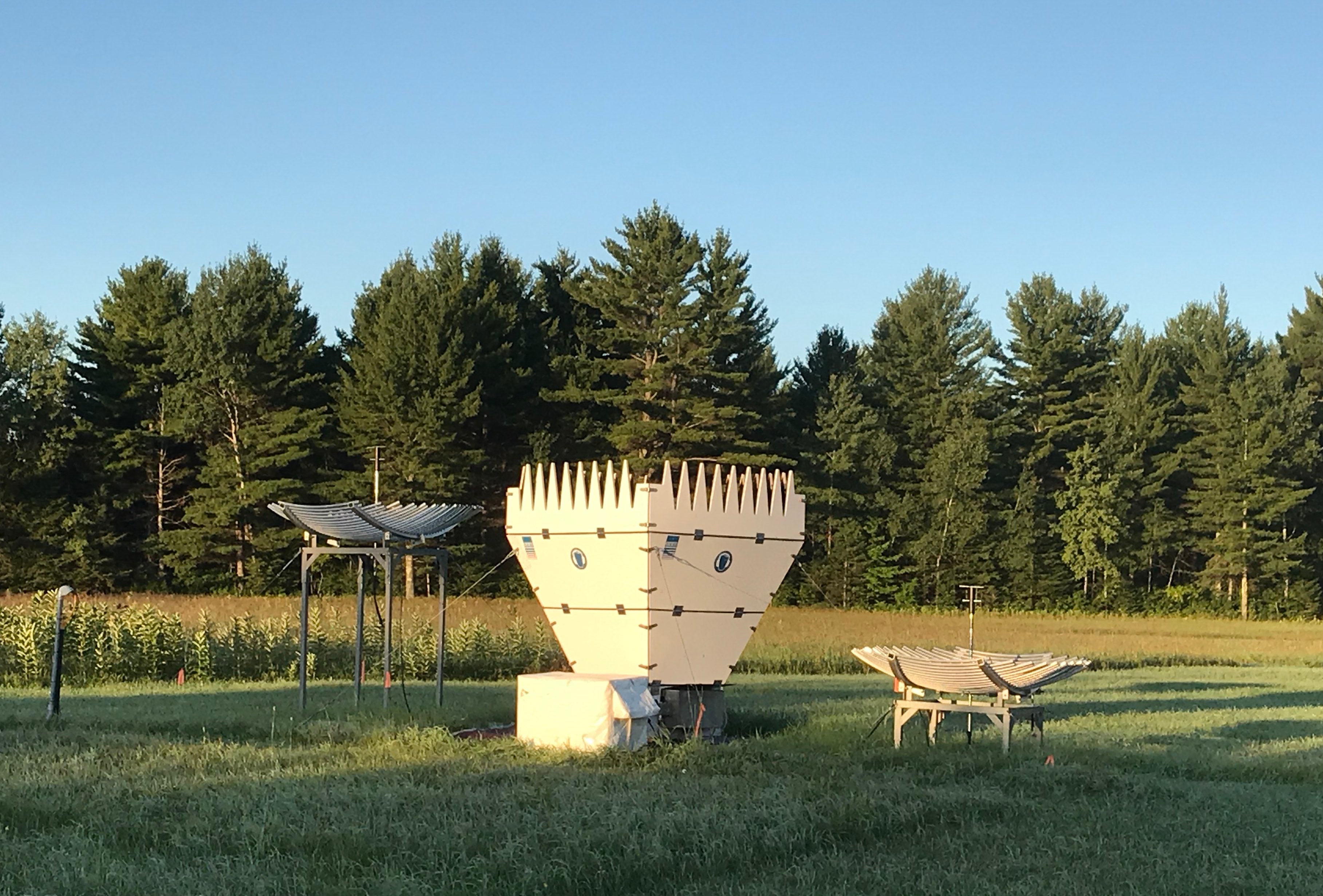
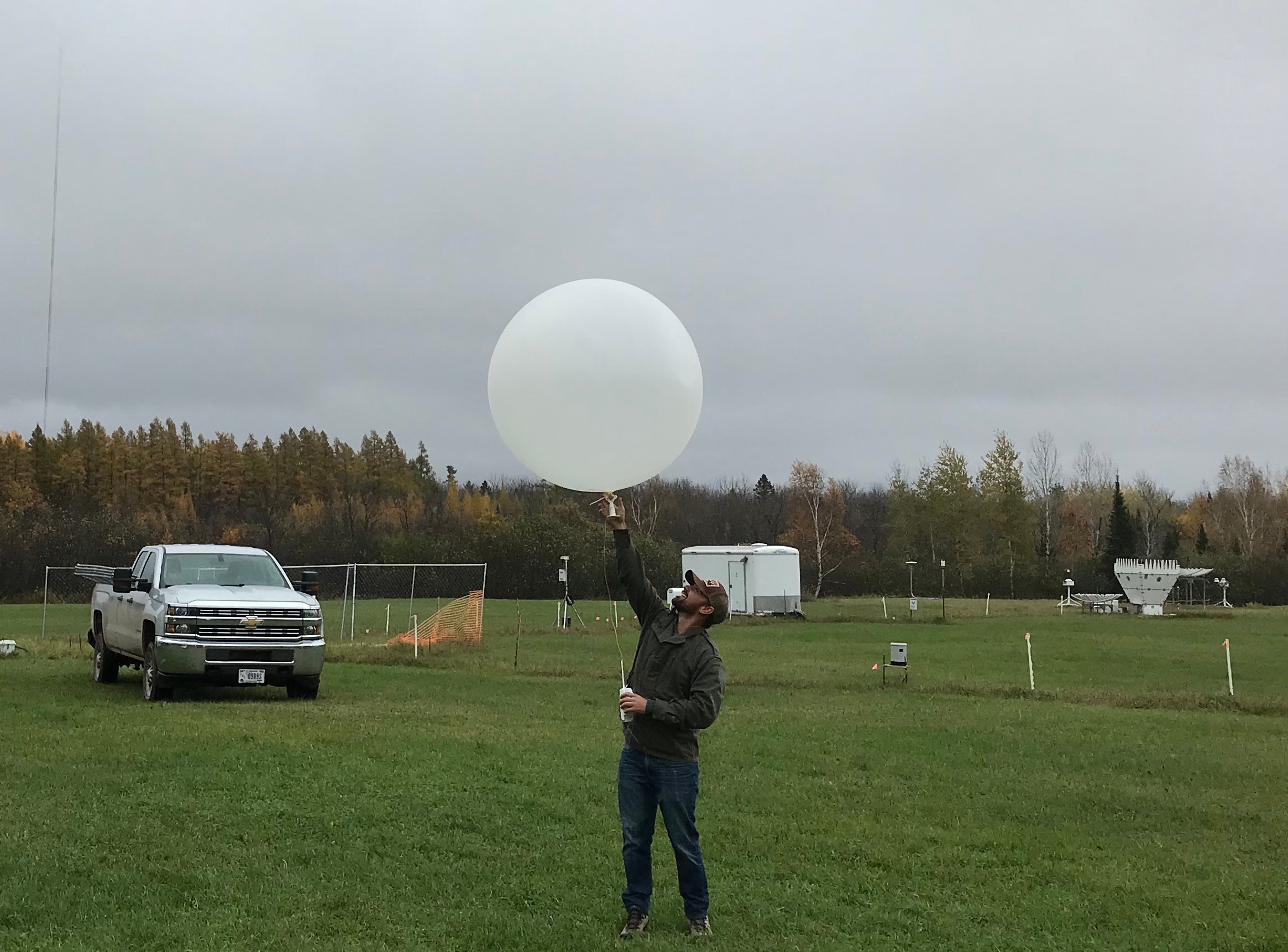
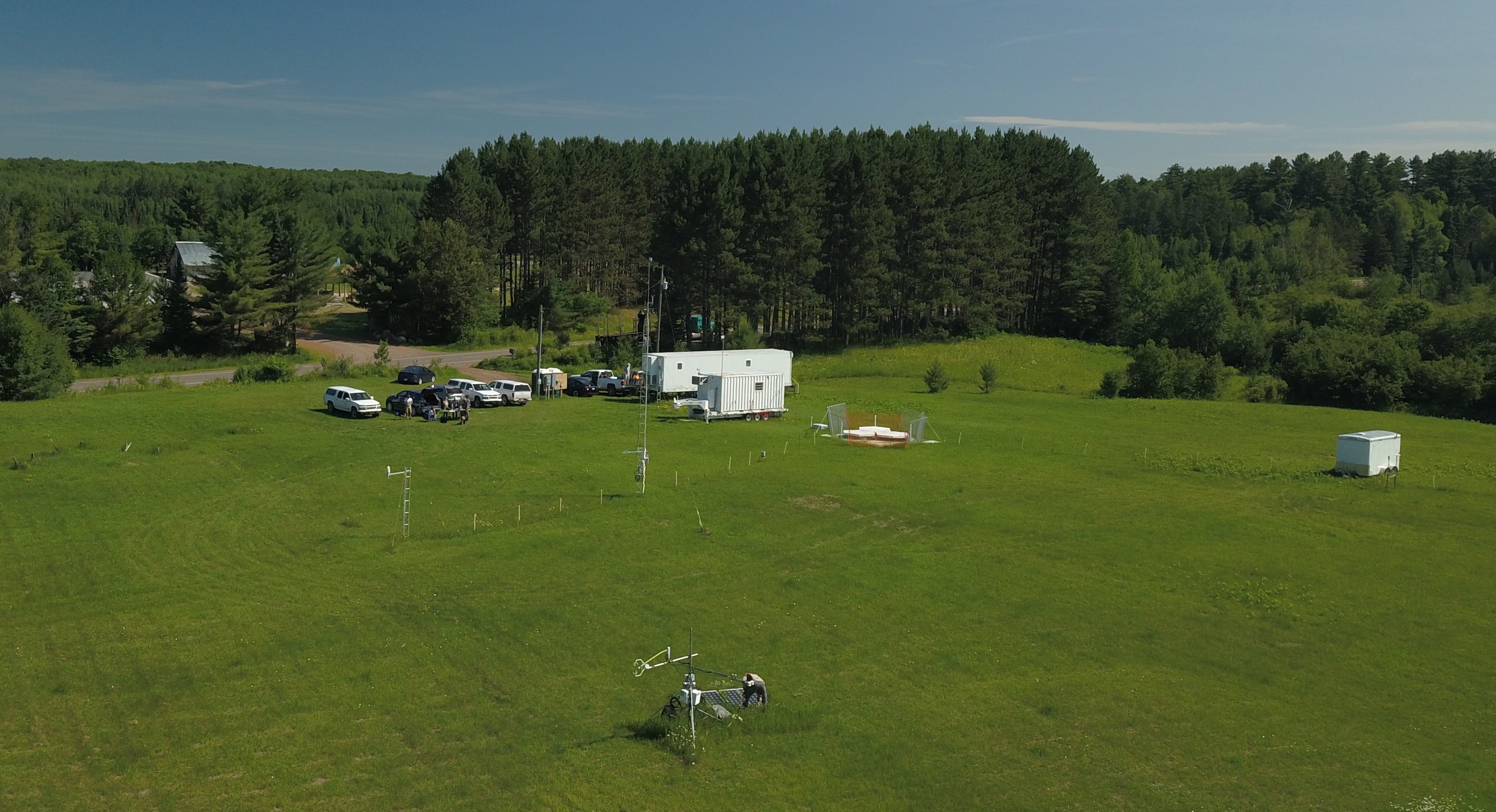
Up to 17 FluxPAM towers will be deployed from the EOL Integrated Surface Flux System. Both raw (10-20 Hz) and processed (5-minute statistics and half-hourly averages) meteorological (temperature, humidity, winds), radiation (net radiation, incoming and outgoing shortwave and longwave), flux (water, CO2, momentum, heat) and soil (temperature, moisture, heat) observations will be collected and archived by EOL. Similarly, EOL Integrated Sounding System observations including wind profiler, RASS, and atmospheric sondes will be similarly archived and made available by EOL. Any mobile deployments from collaborators will also be submitted to this repository. We request that EOL link to or post a copy of these products when preliminary versions are available prior to publication. We request EOL to mirror final, QC’d observations for the project period as part of the field project merged repository.
University of Wyoming King Air, Wyoming Cloud LiDAR, and Compact Raman LiDAR observations of airborne 10 Hz turbulent meteorology (winds, temperature, humidity, CO2), 1 s metrology and radiation, and LiDAR returns will be archived for analysis at EOL.
The SSEC Portable Atmospheric Research Center (SPARC) observations will be processed by University of Wisconsin SSEC staff and include retrieved profiles of virtual temperature and humidity from AERI, raw AERI output, HALO scanning wind LiDAR 1-s wind retrievals, HSRL 532 and 1064 scattering and depolarization profiles, and sondes. These will be archived locally at SSEC and provided post field phase to EOL as part of a field project combined archive. Quicklook generation and automated subset tools are already available for several of these instruments at part of the SSEC atmospheric instruments portal. Karlsruhe Institute of Technology (KIT) Raman/DIAL LiDAR will be processed by KIT collaborators (Mauder) and provided to UW for archival and submission to EOL within two months of collection.
Phenology, ground cover, and vegetation observations collected by University of Wisconsin-Milwaukee will be entered using clear metadata protocols and provided in CSV or Spreadsheet format, served both at Desai lab servers and sent to EOL within six months of collection.
UW spectrometer hyperspectral data will be collected several times during the project. Georectified maps of surface will be produced by co-PI Phil Townsend, archived at the EcoSIS repository and also sent to EOL within three months of collection. UW ultralight data of could include 1 second temperature, humidity, pressure, winds, thermal radiation, and GPS position and will be archived locally and shared with EOL after post-processing.
Models outputs, including Large Eddy Simulation (LES) numerical output and Environmental Response Function (ERF) scaled fluxes and driver data, will be made available within two months of production and analysis from the CyVerse Data Store (https://www.cyverse.org/data-store). Final, harmonized LES outputs and ERF scaled fluxes will be provided to EOL for the combined archive by the CHEESEHEAD award end date (i.e., 31 July 2021).
We have requested EOL to collect ancillary observations of NWS sondes in Green Bay, WI and Minneapolis, MN and 0Z and 12Z forecast model output from the NOAA NCEP 3km HRRR numerical weather prediction model for the north central US domain for LES boundary condition.
Additional collaborators collecting data on separate awards will be encouraged to submit their data or a link to their repository, and be asked to follow the spirit of the data policy here.
Presentations, manuscripts and reports will all be made publicly available on the EOL CHEESEHEAD web site, as soon as presented or accepted for publication. Open-access journals will be preferred wherever possible, and all articles will also be placed in a University repository. Publications, conference proceedings and reports will also be made available on the EOL CHEESEHEAD web site.
Ankur Desai will be responsible for overall data management and publications, including analysis and LES models run at UW-Madison. NCAR EOL staff will be responsible for LAOF archival and integration of AmeriFlux and ancillary data with ISS, ISFS, and King Air observations. KIT LES model output and KIT LiDAR will be the responsibility of Matthias Mauder. Phil Townsend is responsible for airborne spectrometer observations. Mark Schwartz is responsible for phenology and vegetation observations. Grant Petty is responsible for the ultralight observations. Stefan Metzger is responsible for ERF input and output data.
All investigator provided field data will be stored locally and then transmitted to appropriate repositories. At UW-Madison, Desai lab has 40 TB available for the project in a RAID that is backed up regularly at the UW Center for Climatic Research. A webpage will be created to allow for quick download of all data products served locally.
Derived LES and ERF data will be stored on the CyVerse Data Store (https://www.cyverse.org/data-store) where possible. For the CHEESEHEAD project, CyVerse has 100 TB available at the University of Arizona Research Data Center, which is regularly replicated at the Texas Advanced Computing Center. CyVerse provides web services, mountable file systems, high-speed command-line transfers as well as data curation services for quick access of all data products.
Long-term archival data services will be provided by EOL data services, and include LAOF and King Air observations, and also serve as a second archive for campaign specific observations from AmeriFlux, DTS, LES model output, ERF input and output data, and SPARC observations. SPARC observations are also archived in the SSEC general data repository and provided in NetCDF. Spectrometer data will be submitted to the EcoSIS repository in HDF5. Flux tower processed flux and meteorology data and raw observations will be archived at DOE AmeriFlux repository in CSV, which can be queried by website or JSON-based API.
All data will be made publicly accessible as soon as feasible, unless noted otherwise. Initial, raw investigator-specific data may be made available only by email request to project PIs, but in all cases made freely available shortly after collection, in the timeframes as noted above. We strive to make all publications open-access, and where not possible, pre-prints will be made available on Desai’s website, the University repository, and the EOL CHEESEHEAD project website (https://www.eol.ucar.edu/field_projects/cheesehead). Talks and posters are generally placed online on Desai’s website within one week of presentation and will also be available on the EOL CHEESEHEAD website. Publicity on this will be made in the core experiment paper for BAMS, through an experiment blog, and announced through major listservs, including Fluxnet and Ecolog. All investigator permissions and requirements will be met prior to sharing data publicly. However, we do not anticipate any significant intellectual property, ethical, or privacy issues. We have developed an authorship policy based on the Vancouver Protocol. For more information regarding code sharing and software licensing, please see the CHEESEHEAD Code Policy.