Search
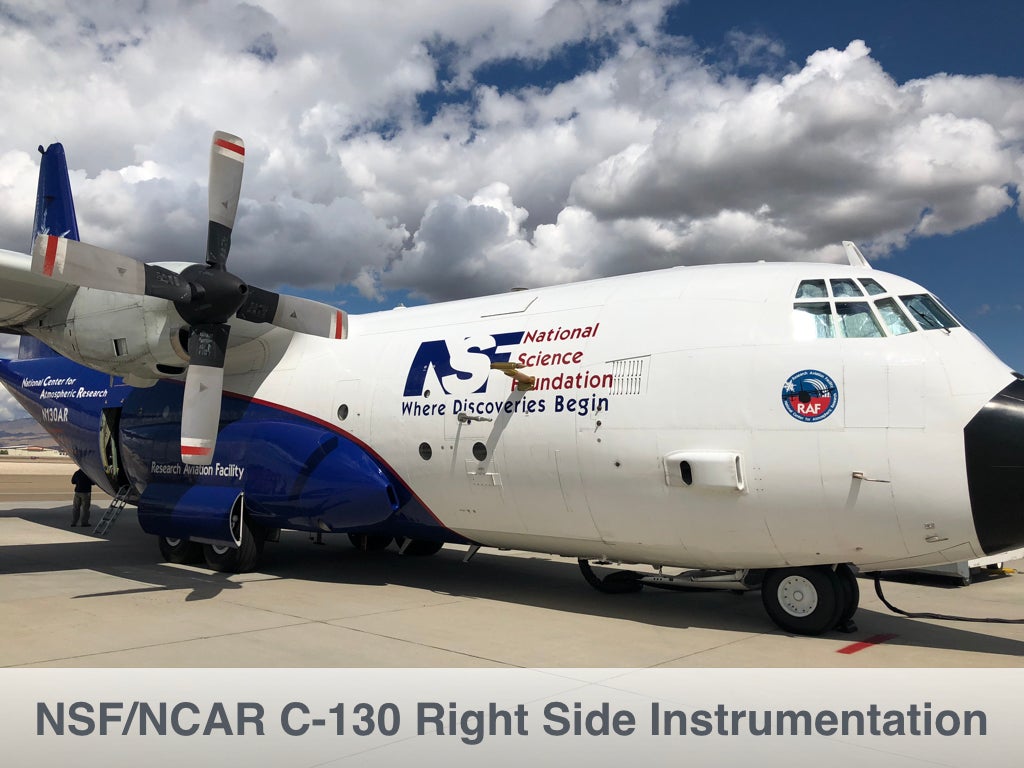
WE-CAN Instrumentation Payload
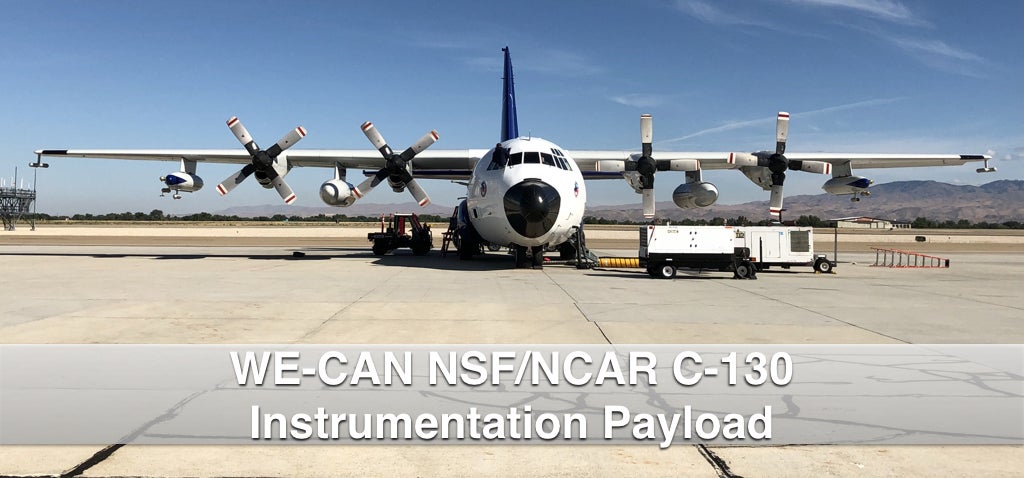
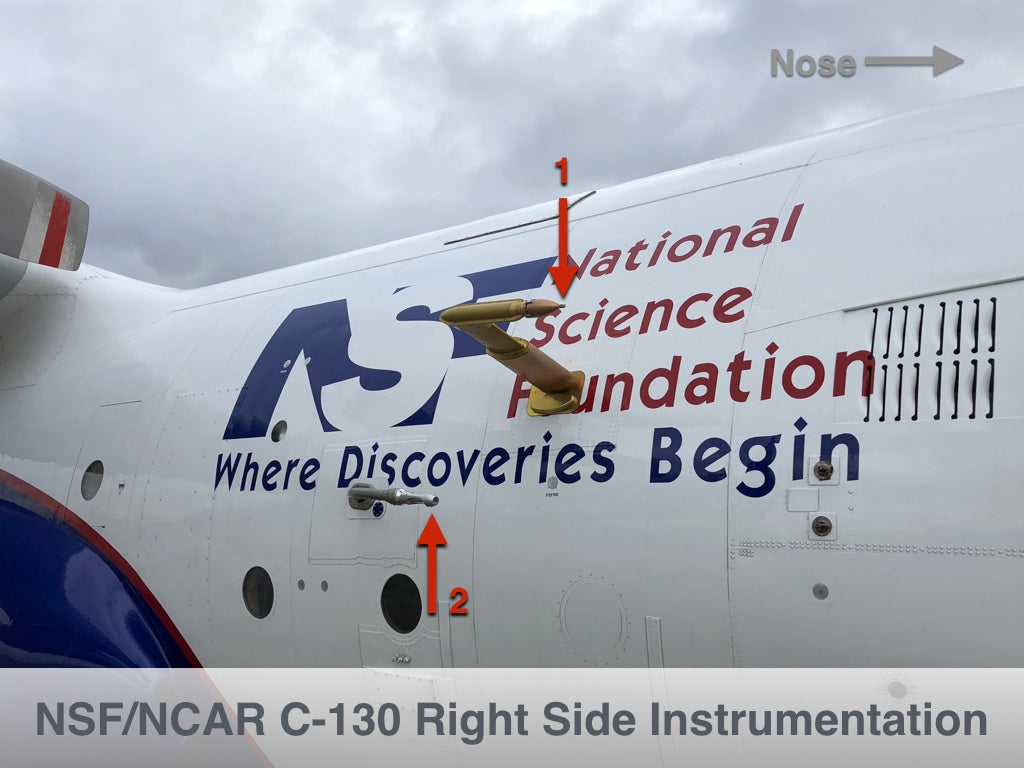
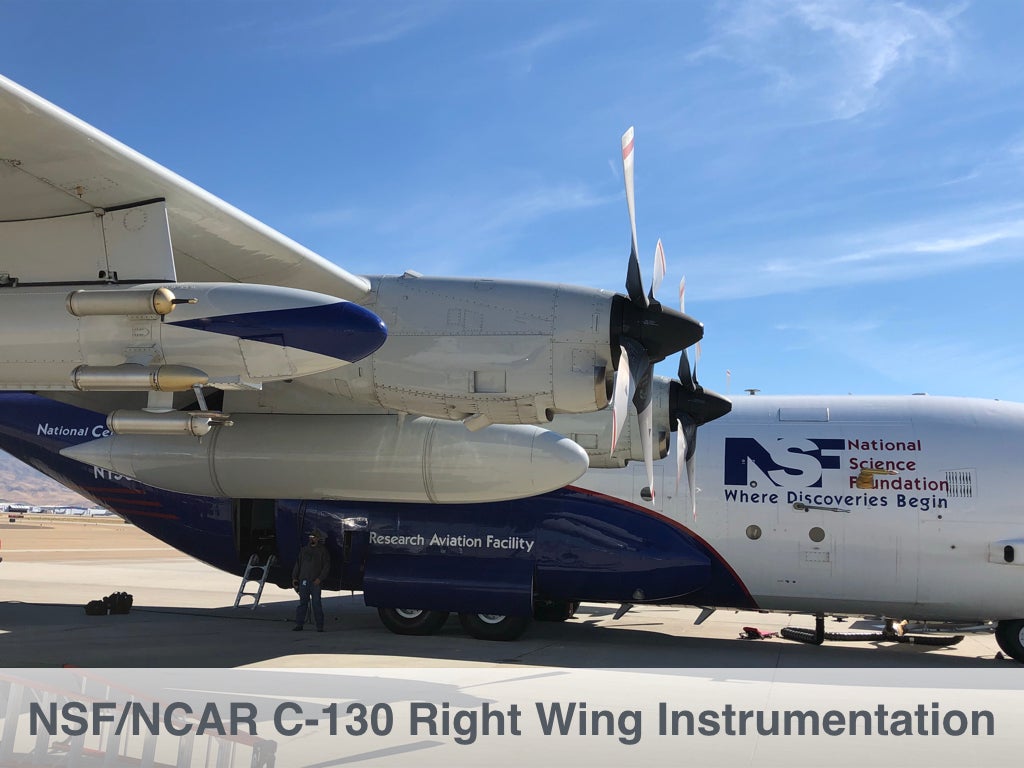
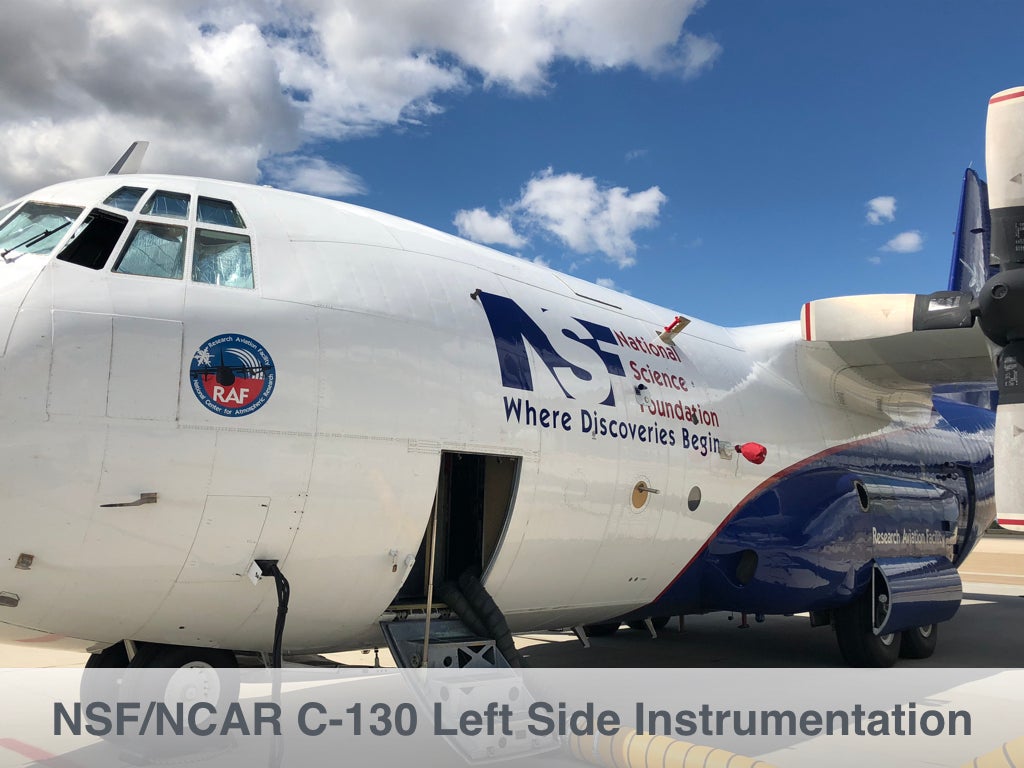
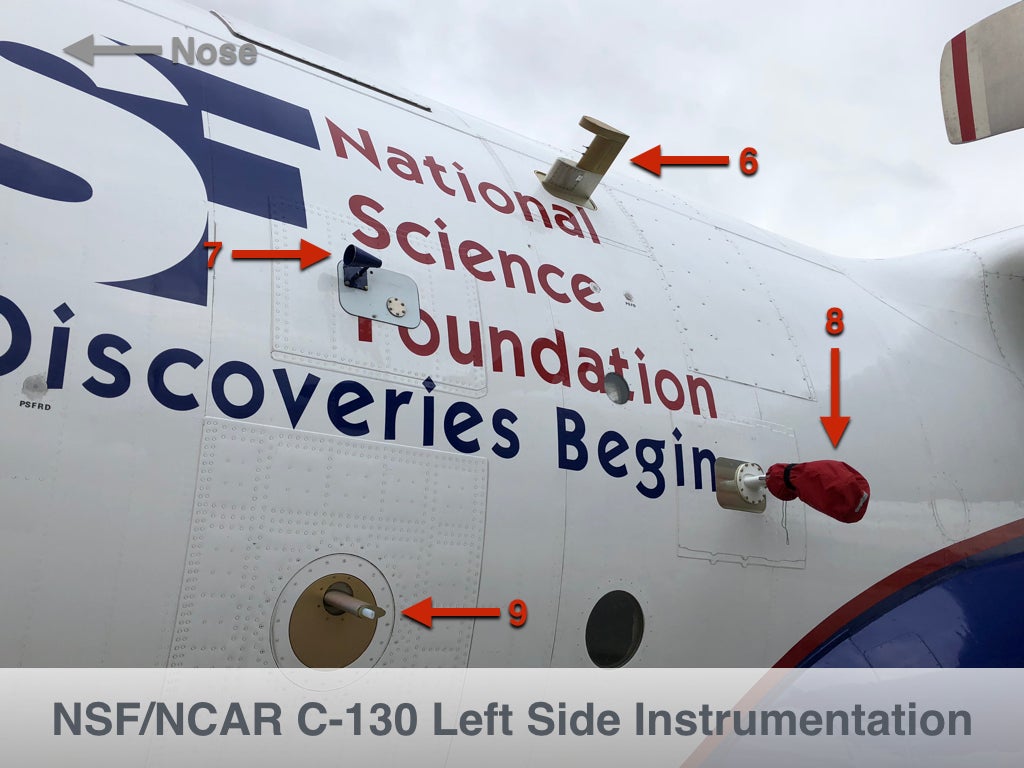
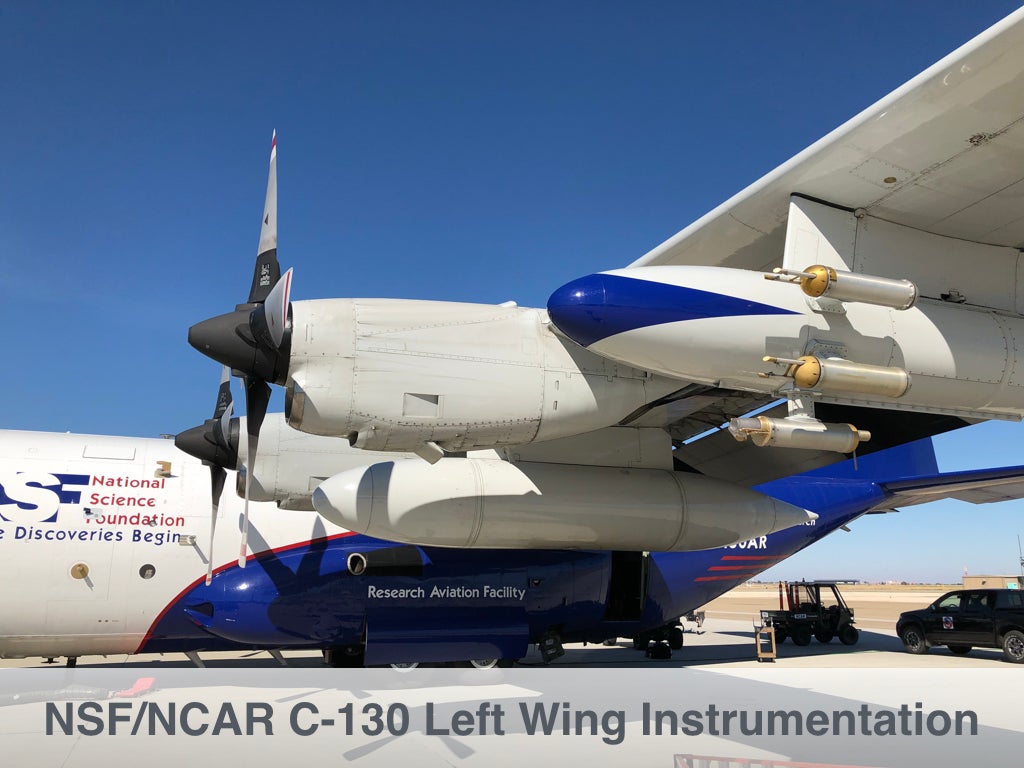
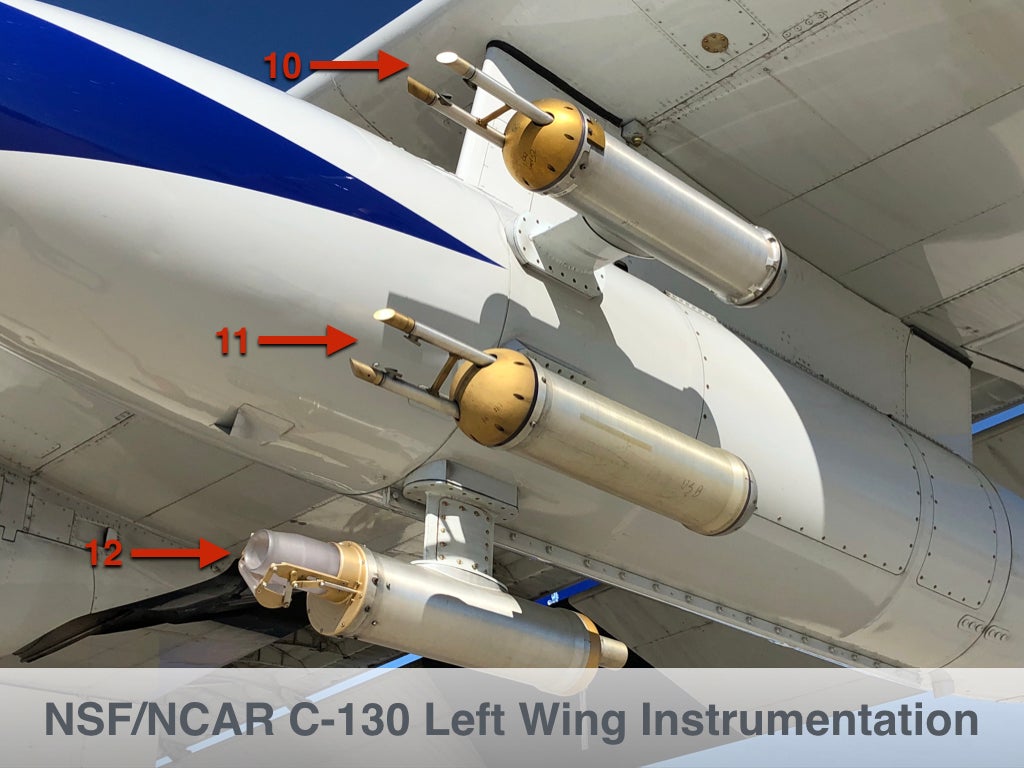
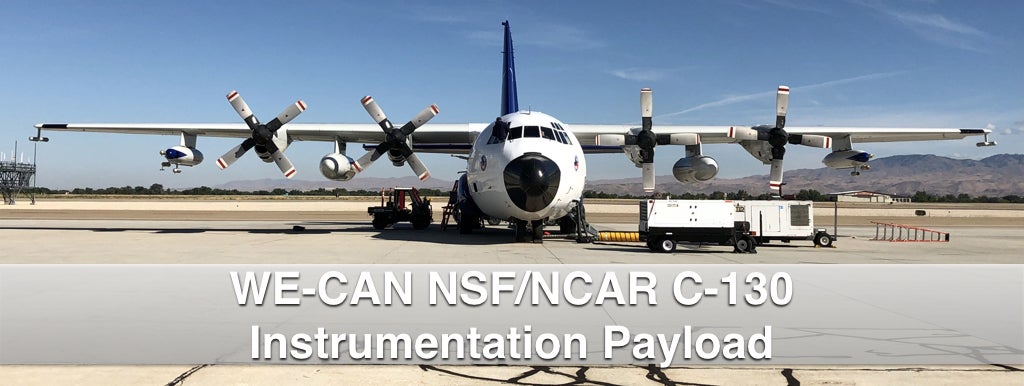
WE-CAN is using the NSF/NCAR C-130 research aircraft, essentially a flying laboratory, to conduct research flights over the Western U.S. from 22 July - 31 August 2018. The C-130 formerly served as a cargo plane, so it can carry a large payload of instruments while also having a range of more than 1500 miles and the ability to fly between 1000 – 15,000 feet in altitude. These aspects are essential to fully characterize the atmospheric chemistry of a region because smoke plumes can be far-reaching as winds transport them.
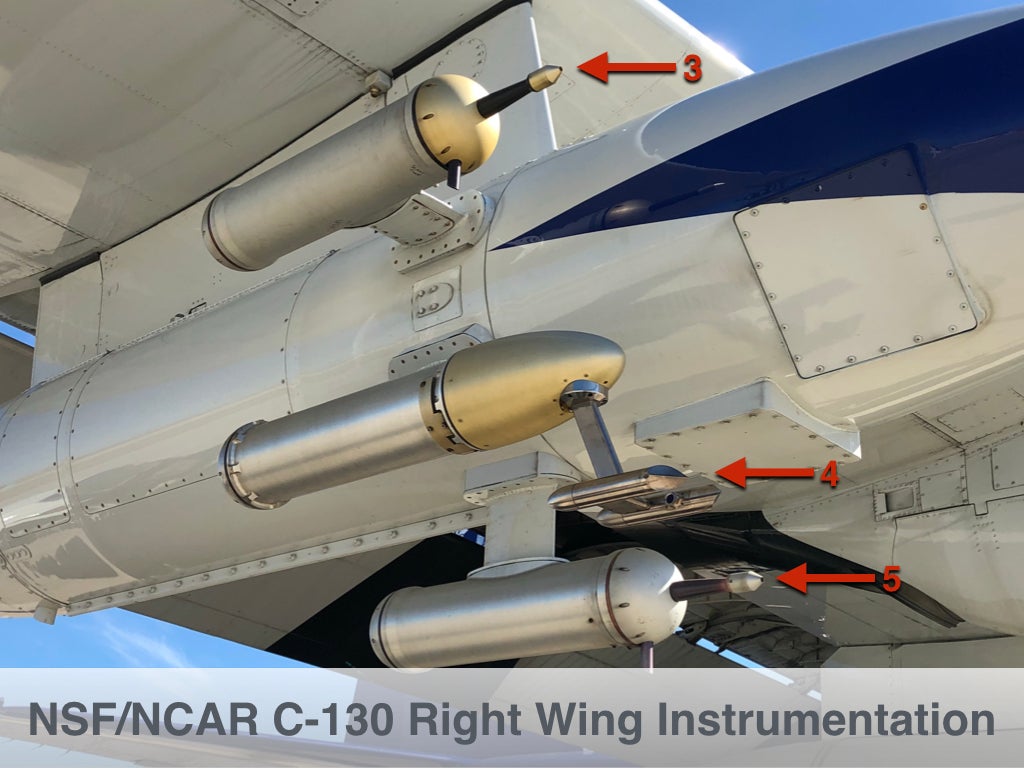
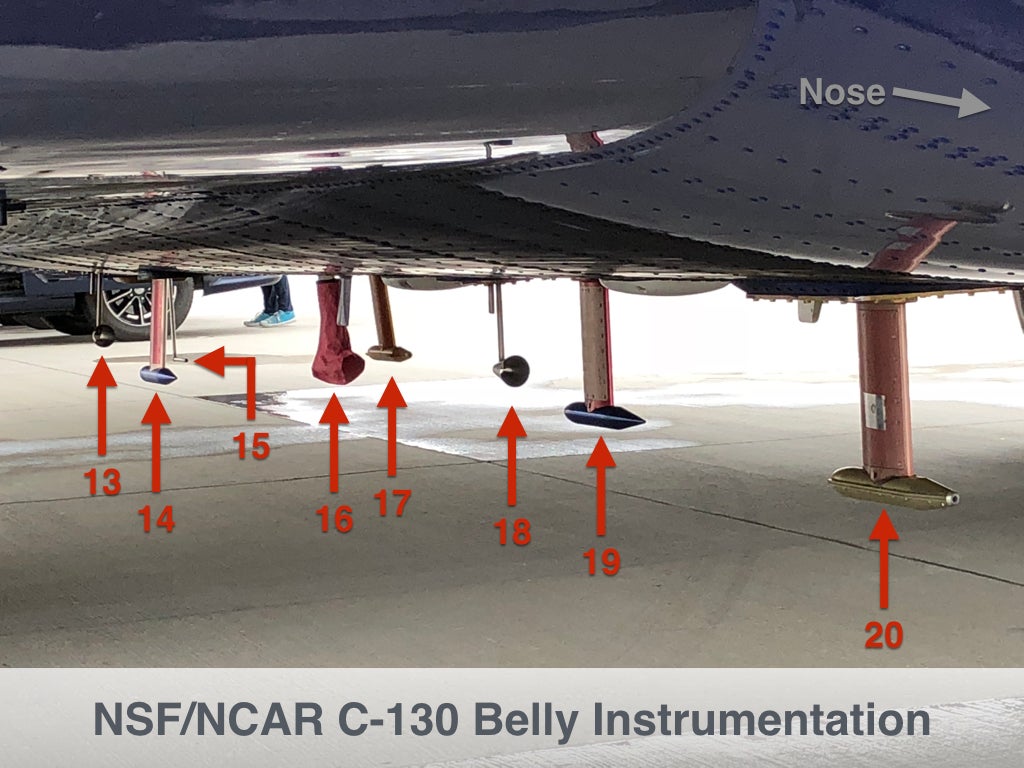
For each field project, a specialized suite of instruments is uploaded to the aircraft to meet the research needs of the study. As part of WE-CAN, the C-130 will carry a suite of state-of-the-art instruments designed to measure a range of aerosols and cloud particles, trace gases, atmospheric radiation, and meteorological parameters such as temperature and winds.
Click images to enlarge.
Right-side Instruments and Inlets
![]() |
![]() |
![]() |
Left-side Instruments and Inlets
![]() |
![]() |
![]() |
|
Belly Instruments and Inlets
|
WE-CAN Data Submission Instructions (Post Field)
Dataset Documentation ("Readme") Guidelines
Quick Questions for WE-CAN PIs
NCAR Staff Notes
- July 1971
- February 1972
- August 1972
- May 1973
- May 1973
- August 1973
- December 1973
- January 1974
- May 1974
- June 1974
- June 1974
- July 1974
- July 1974
- August 1974
- August 1974
- September 1974
- September 1974
- October 1974
- November 1974
- May 1975
- June 1975
- June 1975
- July 1975
- October 1975
- November 1975
- December 1975
- January 1976
- February 1976
- March 1976
- June 1976
- June 1976
- July 1976
- September 1976
- May 1977
- May 1977
- July 1977
- October 1977
- June 1999
NCAR Technical Reports
Photos
Related Links
Field Project Eclipse 2019
SAVANT Data Policy
SAVANT Data Policy - Updated 7 July 2020
- All investigators participating in SAVANT agree to promptly submit their final Quality Controlled data to the SAVANT Data Archive Center (SDAC) as specified in the SAVANT Data Management Plan. Submitting your data promplty will facilitate inter-comparison of results, quality control checks and inter-calibrations, as well as an integrated interpretation of the combined dataset.
- During the Data Analysis Period, defined as up to a 2 years following the end of the SAVANT project period end, SAVANT Principal Investigators (PIs) may have exclusive access to this data in the SDAC. This analysis period is designed to provide an opportunity to quality control the combined data set as well as to provide the investigators ample time to publish their results. Data will be password protected upon the request of the data provider.
- All data in the SDAC will be considered Public Domain no later than 2 years following the end of the SAVANT project period (i.e., on 15 August 2021 and thereafter). A dataset within the SAVANT archive can be opened to the public domain earlier at the discretion of the data provider for this particular dataset.
- All data shall be promptly provided to other SAVANT investigators upon request. All SAVANT investigators will have equal access to all data. A list of SAVANT investigators will be maintained by NCAR/EOL and will include the Principal Investigators (PIs) directly participating in the field experiment as well as collaborating scientists who have provided guidance in the planning and analysis of SAVANT data.
- During the data analysis period, the investigator(s) who collected the data must be notified first of the intent to use the data, in particular if data is to be provided to a third party (e.g., journal articles, presentations, research proposals, other investigators). It is strongly encouraged that PIs responsible for acquisition of data be invited to become collaborators and co-authors on any projects, publications and presentations. If the contribution of the data product is significant to the publication, the PIs responsible for generating a measurement or a data product should be offered the right of co-authorship. Any use of the data should include an acknowledgment (i.e., citation). In all circumstances, the PIs responsible for acquisition of data should be acknowledged appropriately. Following availability in the public domain, users of the data are strongly encouraged to contact the relevant PIs prior to incorporating it into peer-reviewed publications.
- All materials will contain acknowledgement of NSF support as per NSF policy: “This material is based upon work supported by the National Science Foundation under Grant No. 1733746.” Additionally, materials will contain a disclaimer that “any opinions, findings, and conclusions or recommendations expressed in this material are those of the author(s) and do not necessarily reflect the views of the National Science Foundation.”
- International agencies, professional societies, and research organizations are moving towards requiring researchers to formally cite data and sources that led to a given research result. Consequently, there has been an increased use of DOIs or Digital Object Identifiers (used to cite publications for many years), as a simple standard way to also reference or cite datasets. DOIs allow for linkages between datasets and respective publications, thus providing the ability to track the use of these datasets in the literature (metrics). DOIs are considered “perpetual” and citation format standards have been established for data DOIs. Once final datasets are submitted to the SDAC, EOL will create and distribute respective DOIs that should be used in SAVANT related publications. DOIs will not be created for preliminary data.
| Event | Deadline |
|---|---|
| End of Field Campaign | 15 November 2018 |
| Project Period End | 15 August 2021 |
|
Data Analysis Period (SAVANT Science Team members have exclusive access to the data during this period.) |
15 August 2021 - 15 August 2023 |
| Data becomes Public Domain | 16 August 2023 |
SAVANT Data Submission Instructions (Post Field)
Photo Gallery
FIELD SITE
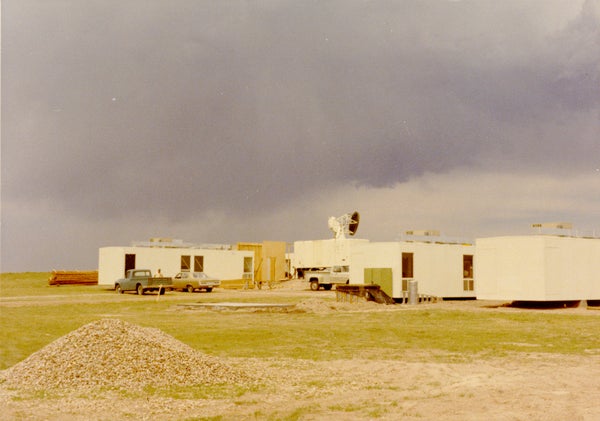
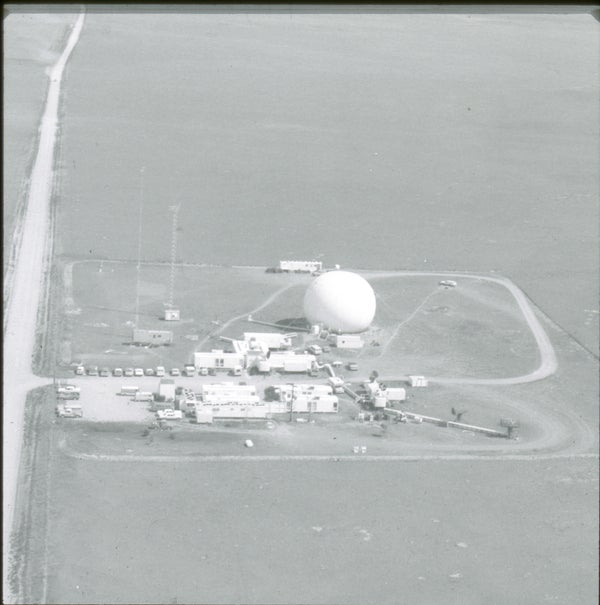
Aerial view of the National Hail Research Experiment research site.
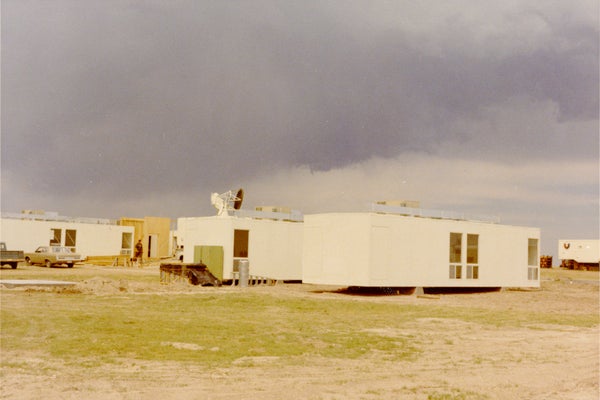
Northeast views of the National Hail Research Experiment research site.
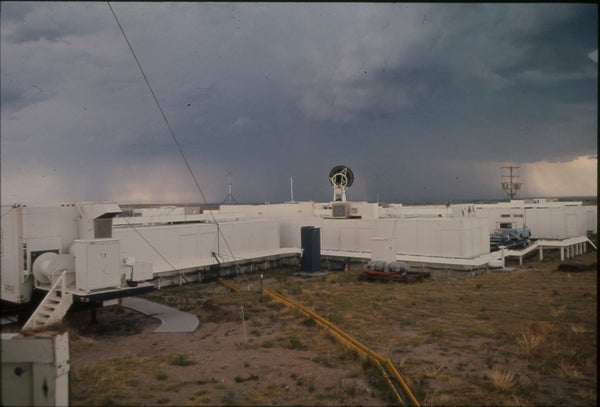
NHRE field site.
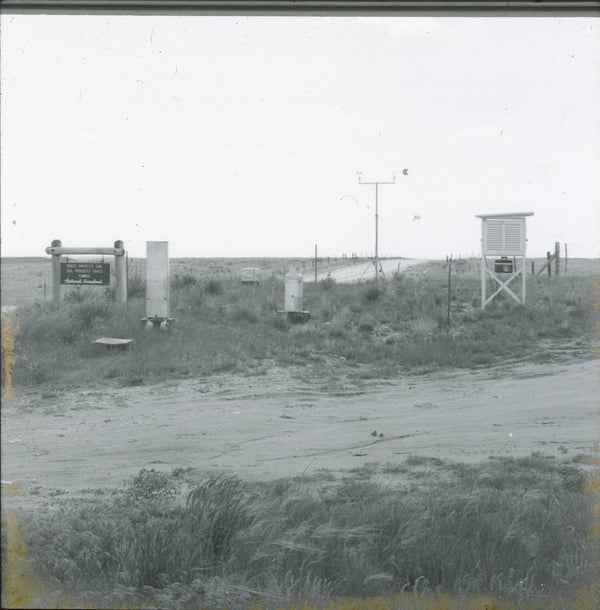
Research site at Pawnee National Grassland.
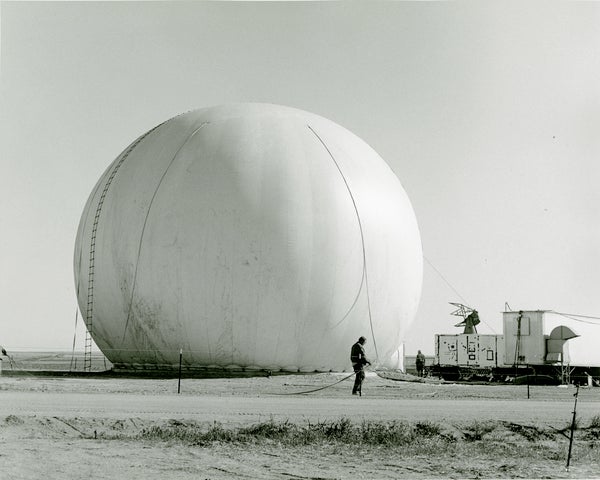
Research site
FIELD EQUIPMENT
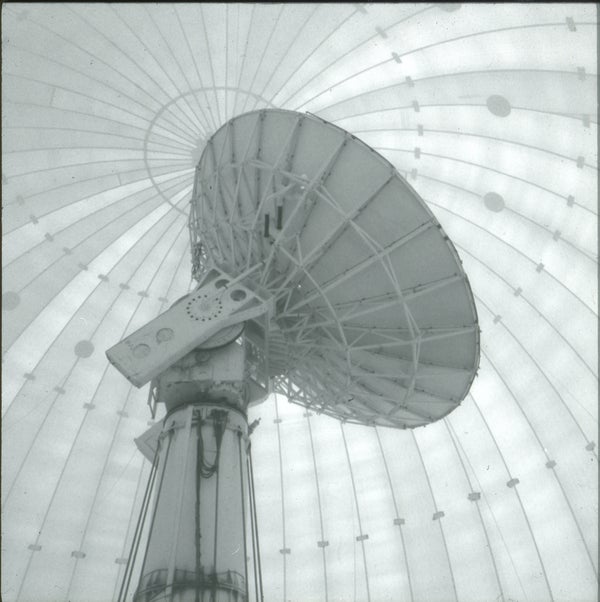
Inside the CP-2 Radome.
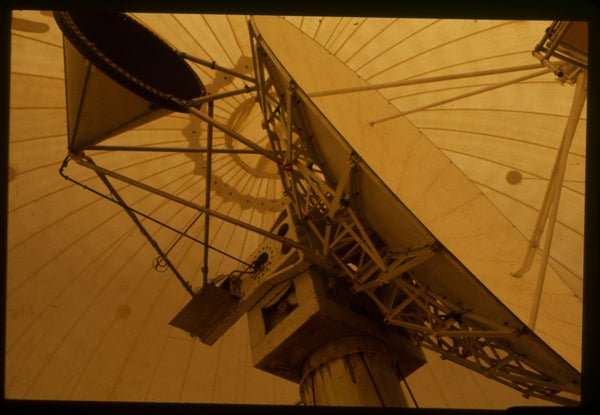
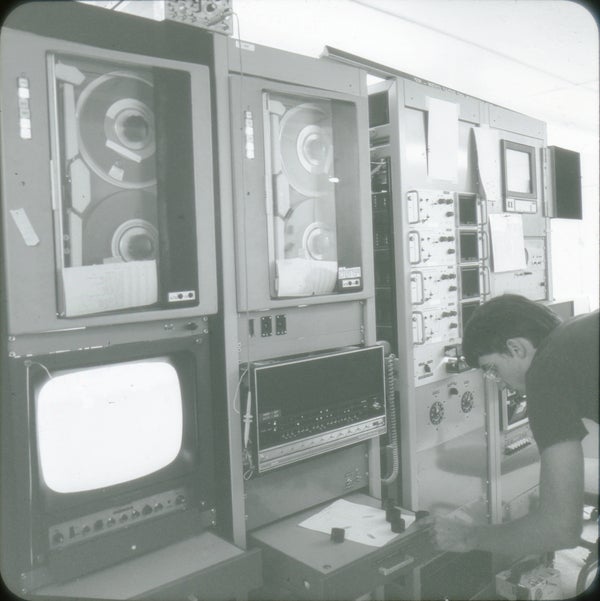
Field Equipment.
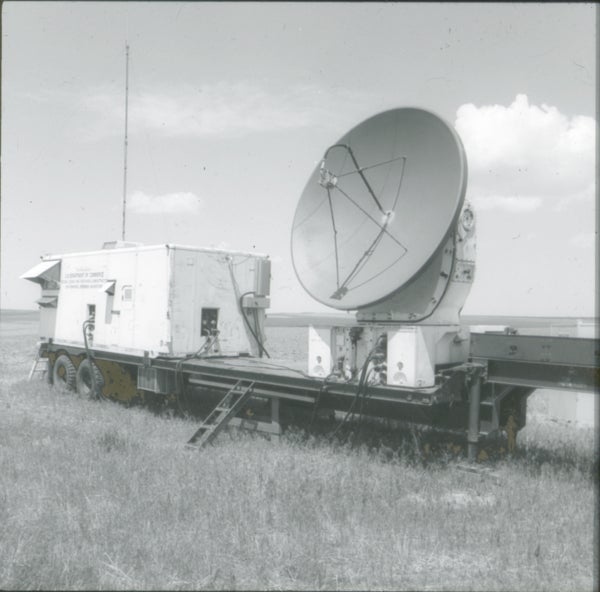
Field Equipment.
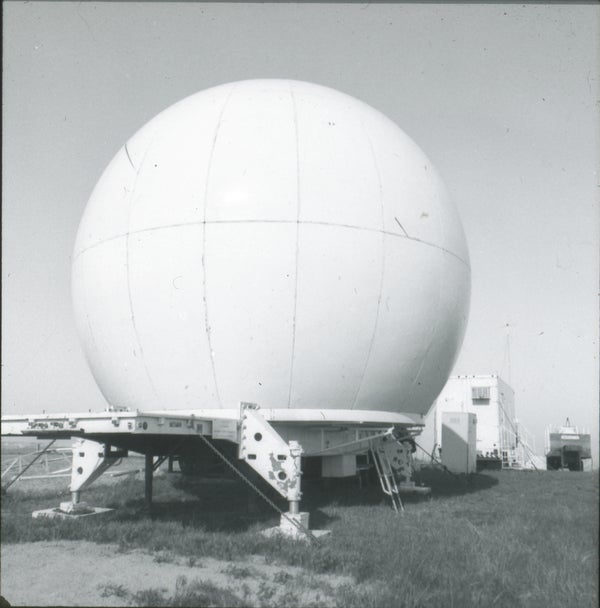
Field Equipment.
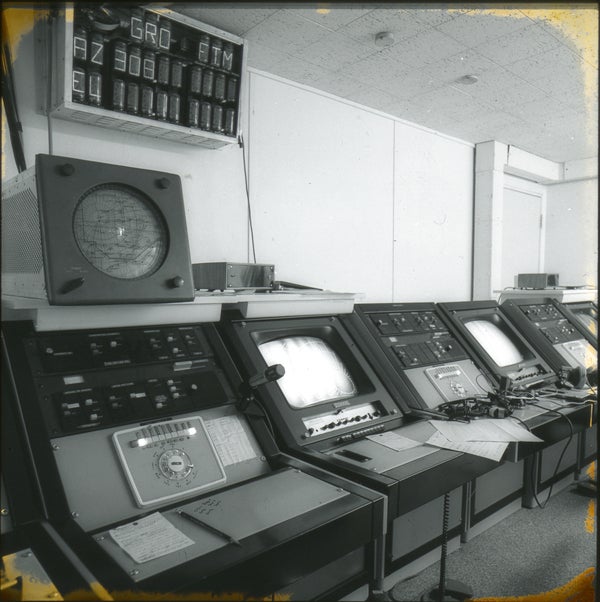
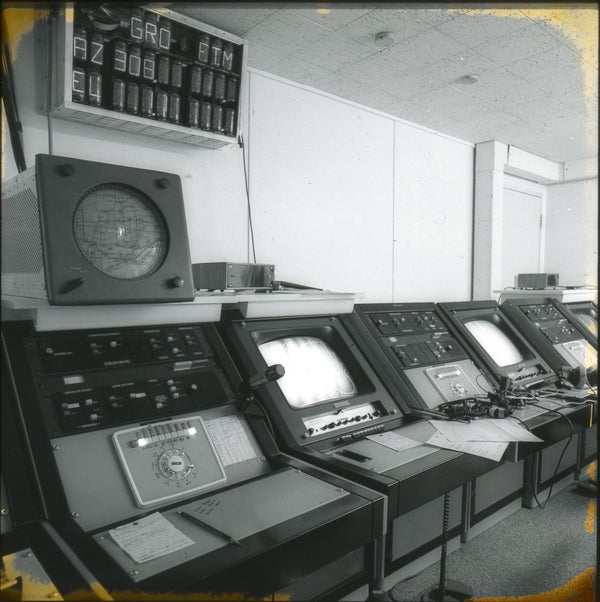
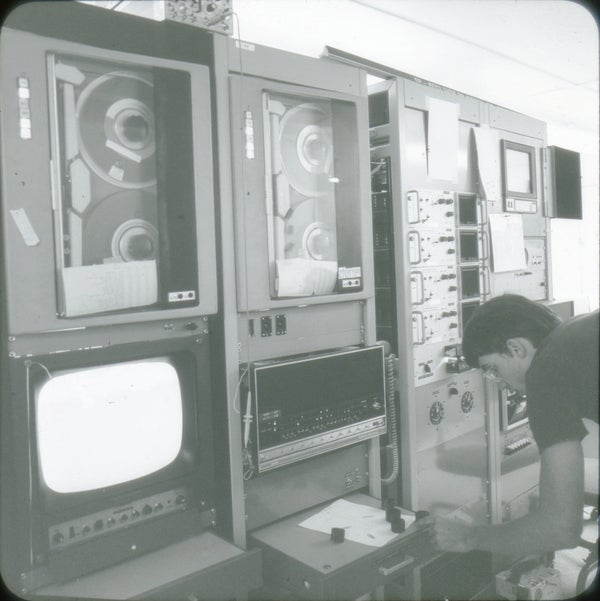
Control equipment at a research facility.
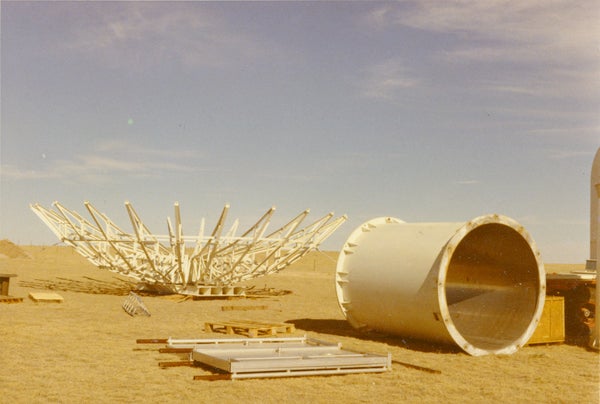
Partly assembled antenna.
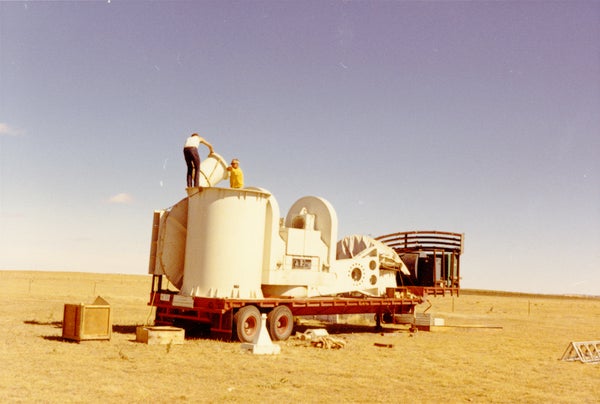
Radar antenna tractor being unloaded.
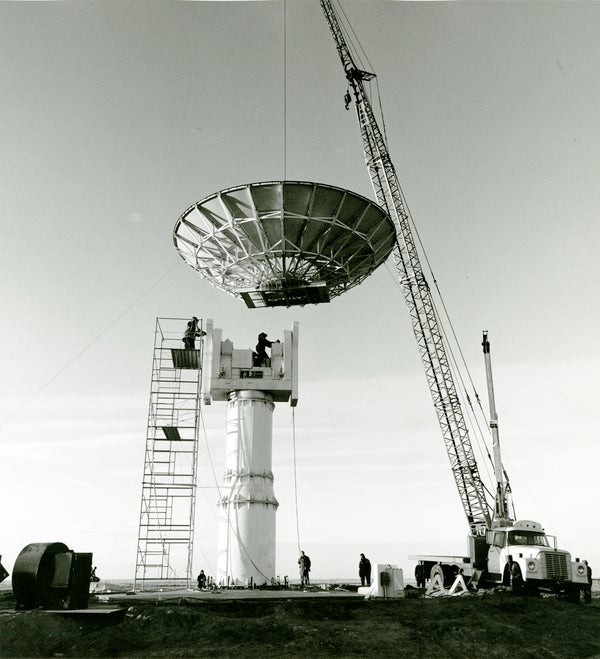
Antenna being assembled.
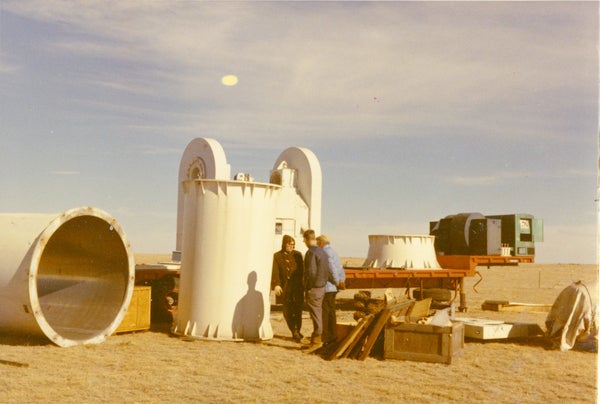
Antenna pedestal.
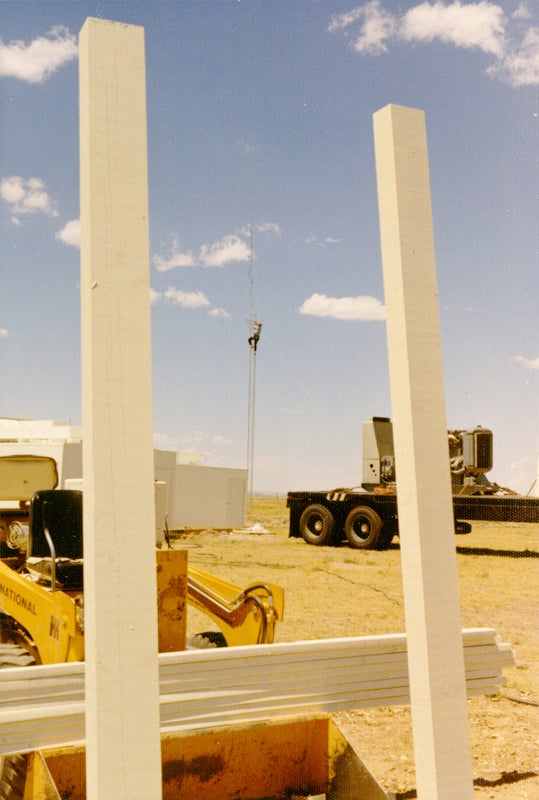
Communications antenna.
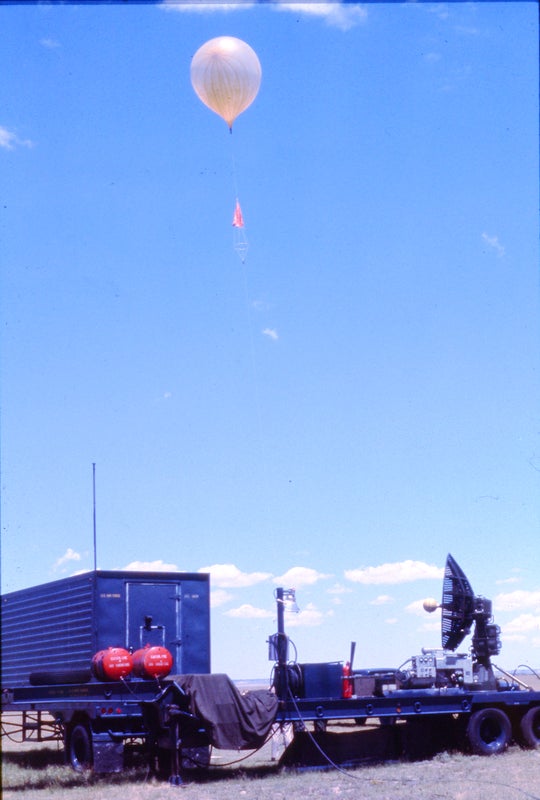
Field equipment.
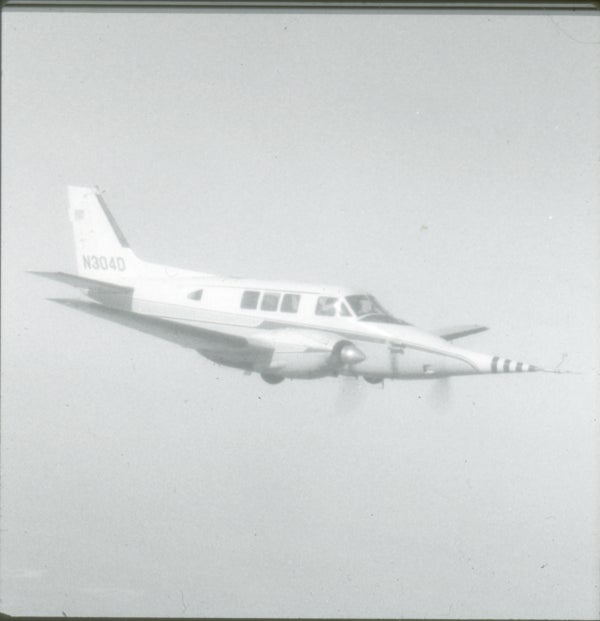
NCAR Queen Air N304D.
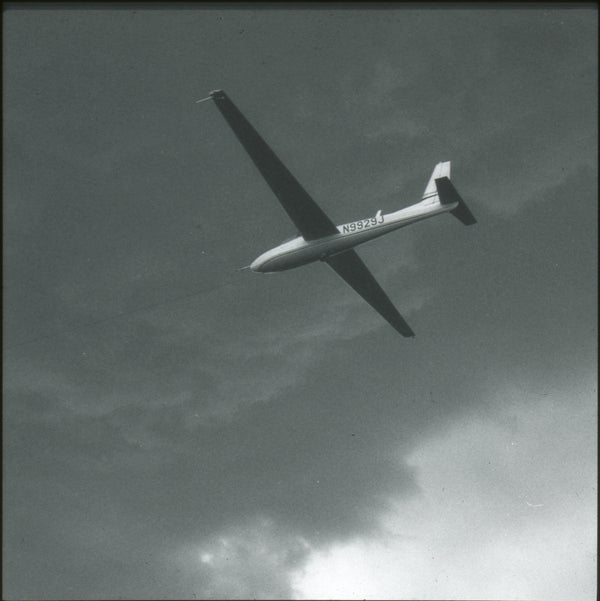
NOAA/NCAR Sailplane N9929J.
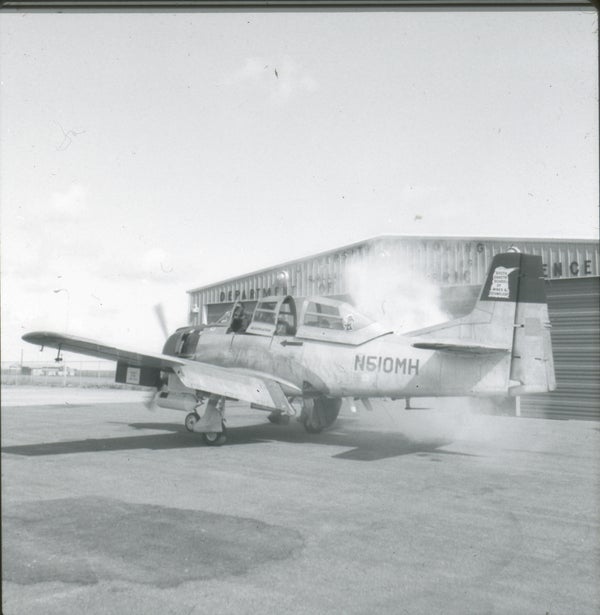
South Dakota School of Mines & Technology T-28 N510MH.
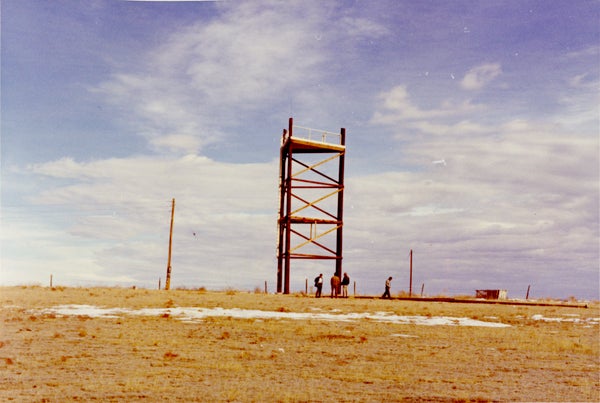
Tower at New Raymer.
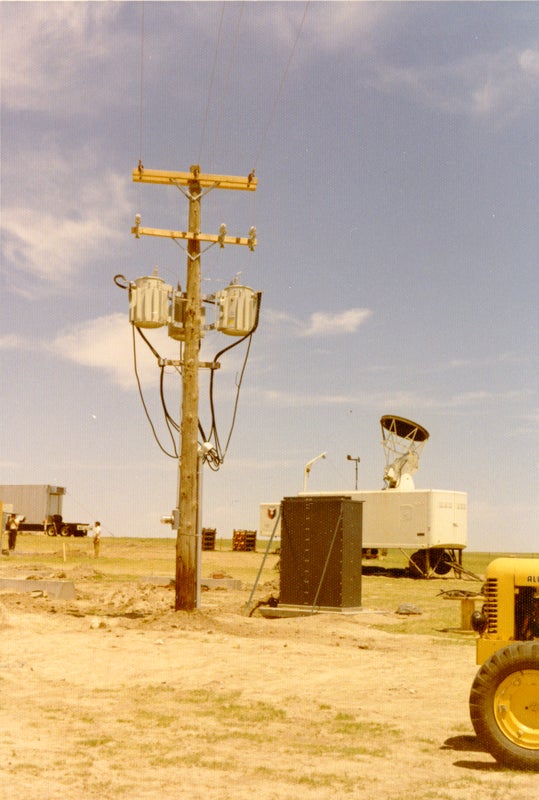
Transformers in place.
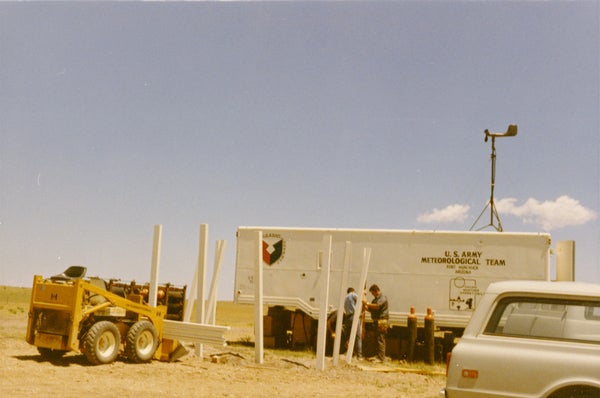
Balloon launch enclosure.
STAFF
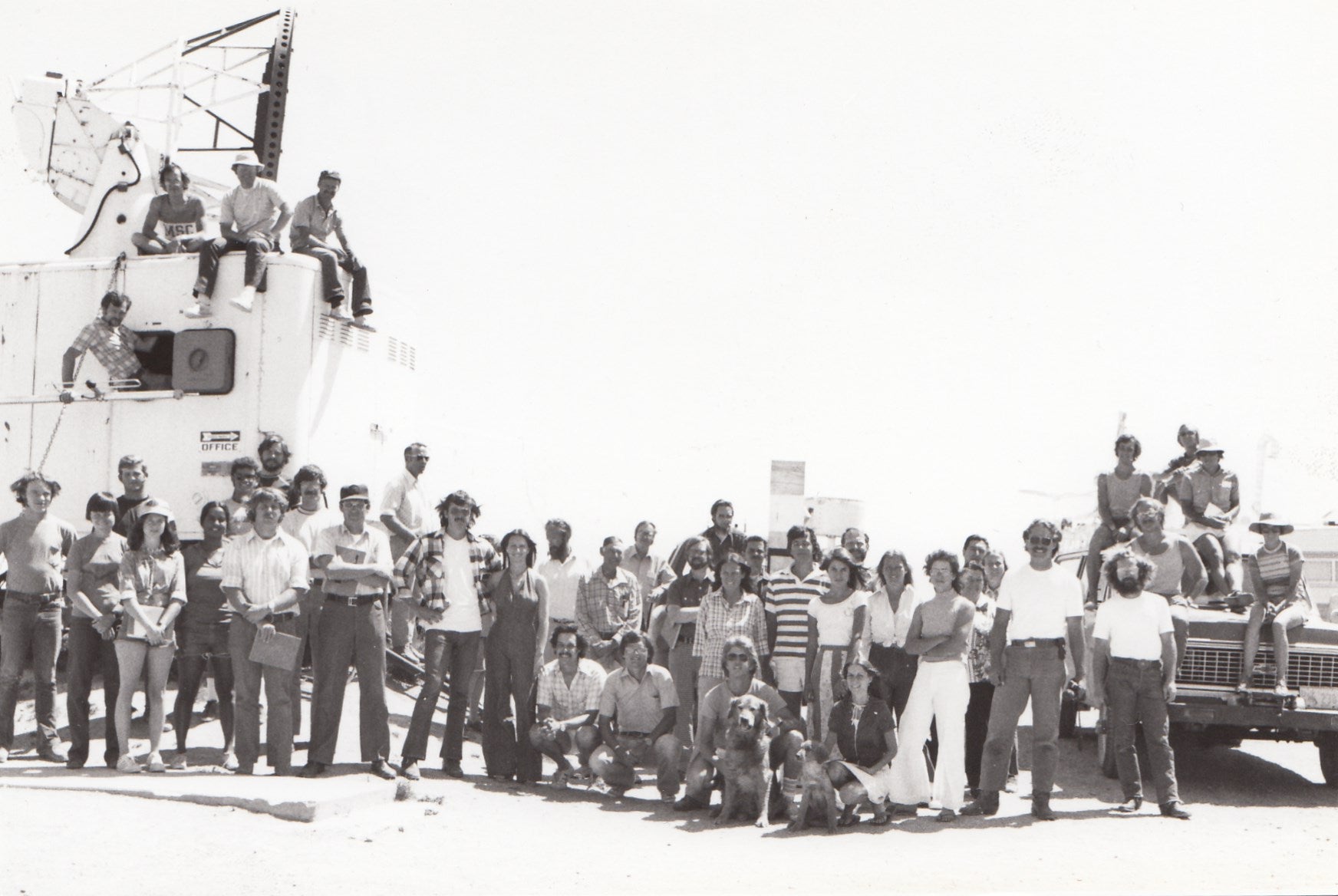
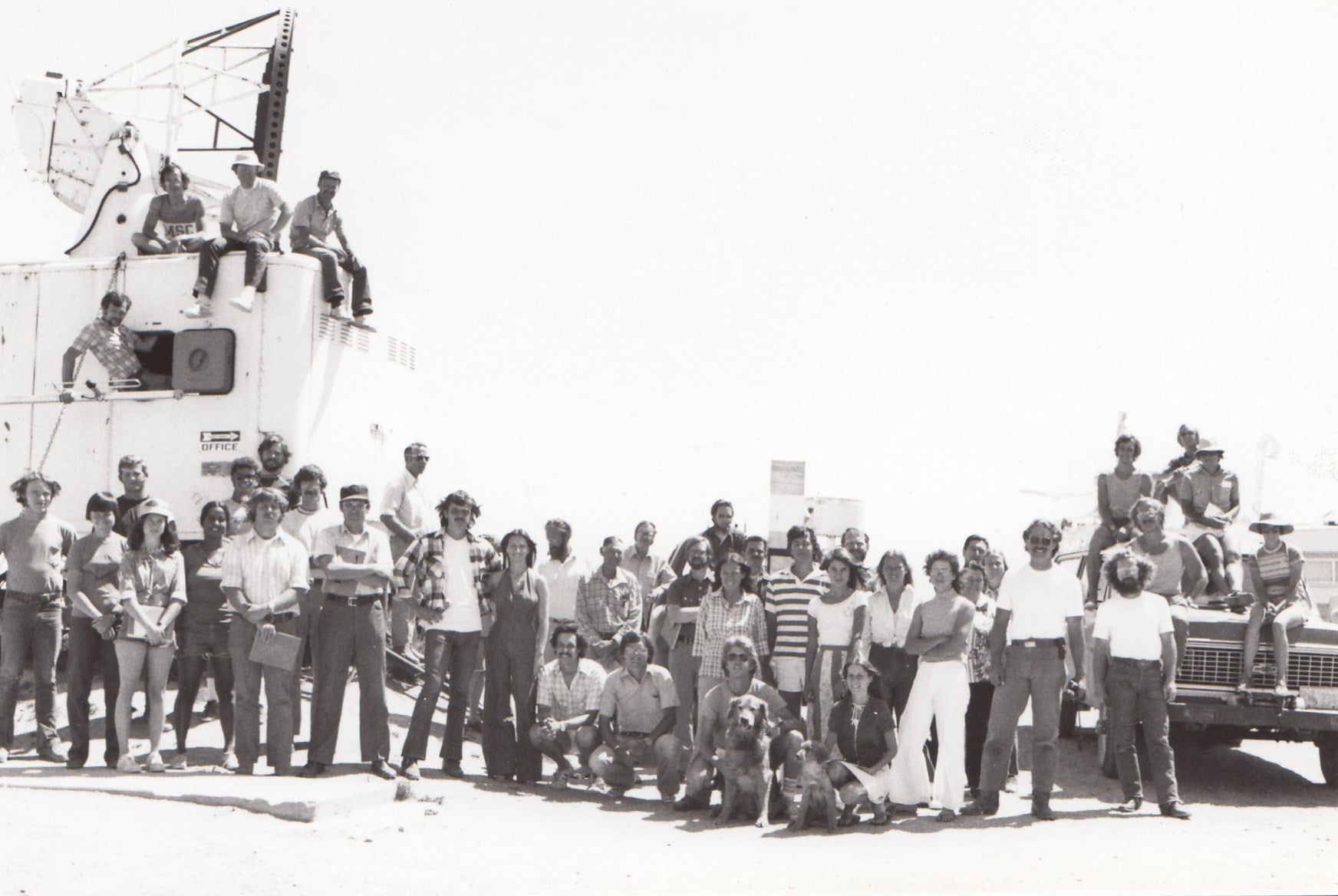
Group Staff Photo taken at Grover, CO, Summer 1976
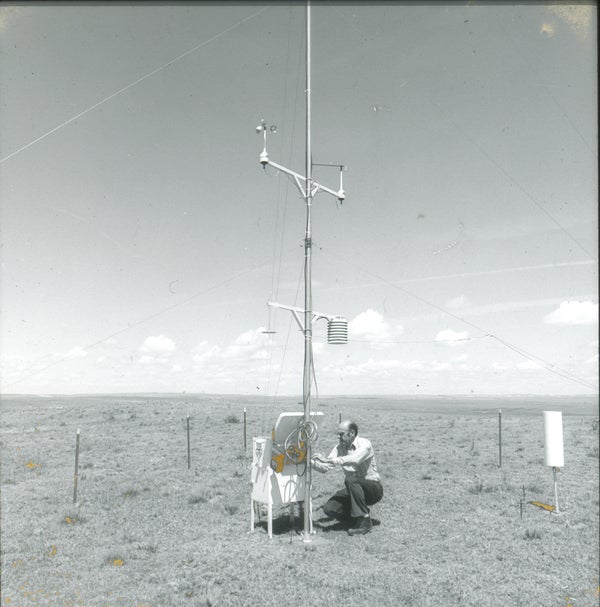
NCAR worker in field.
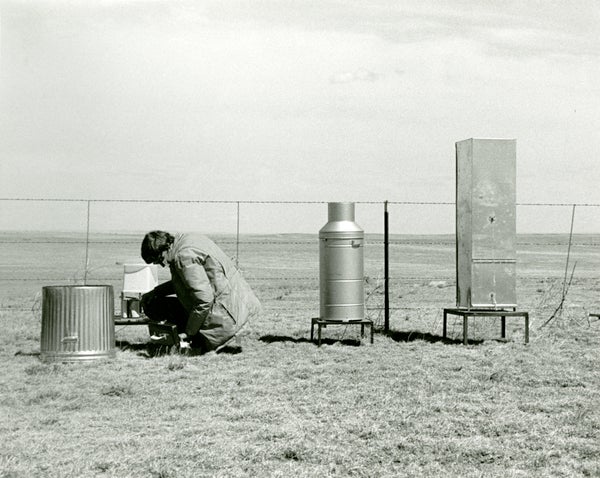
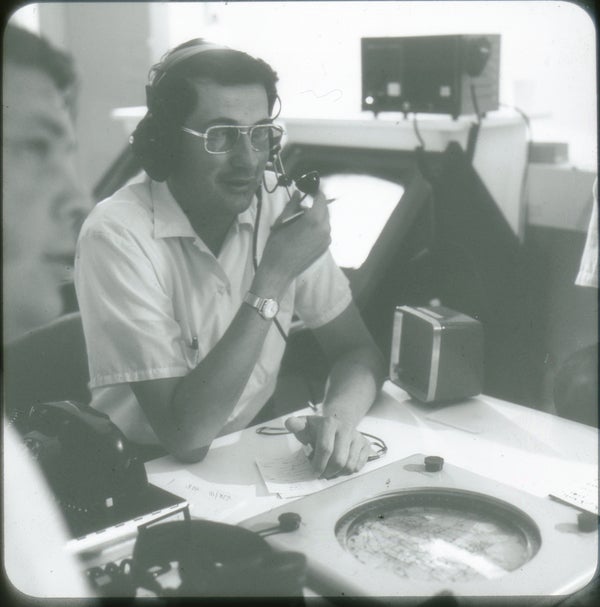
Staff on site.
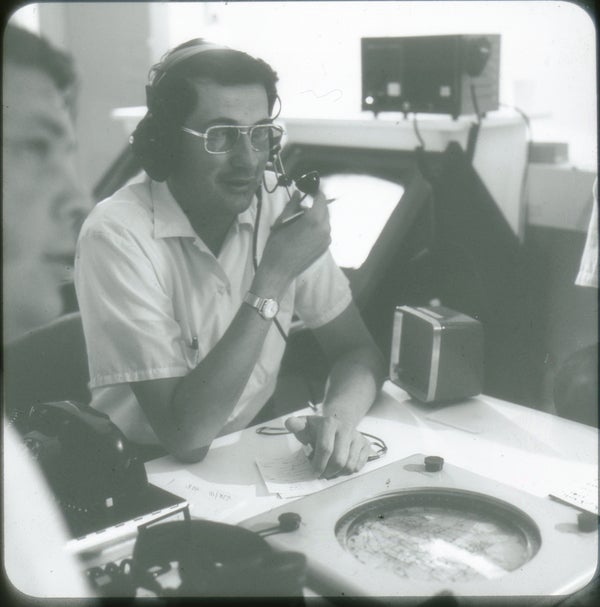
Staff at work.
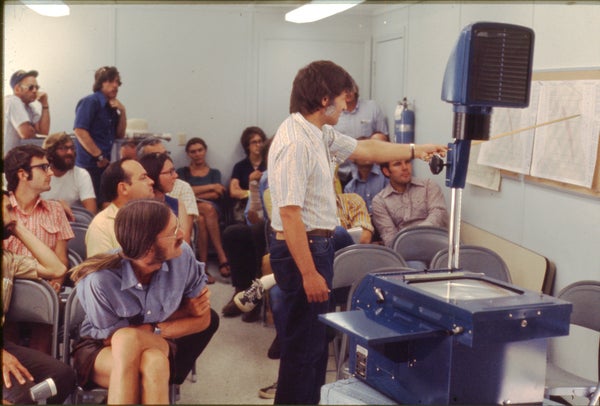
Staff meeting.
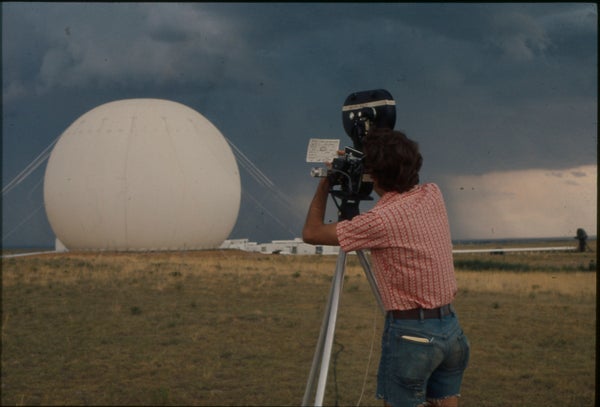
Staff member documenting the field site.
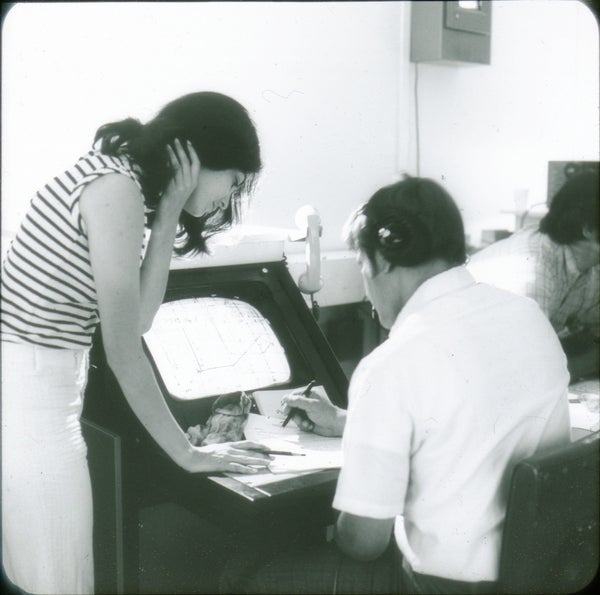
Staff members.
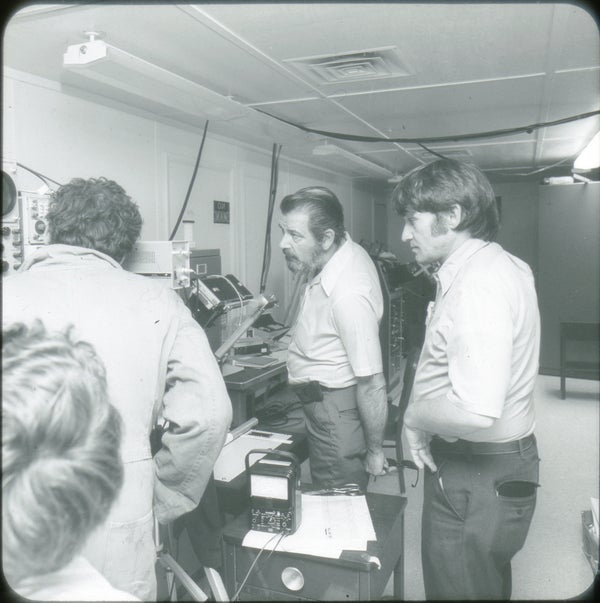
Staff members.
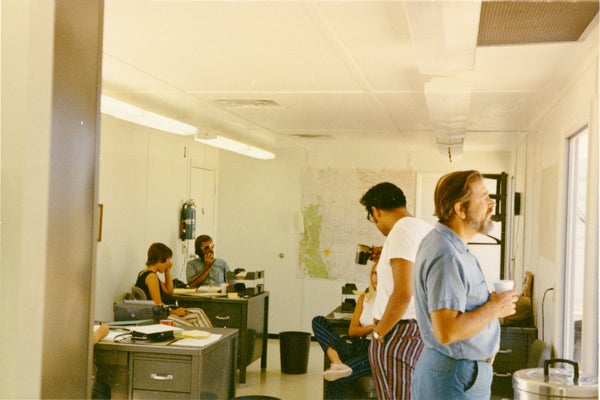
Administrative unit interior.
OPERATIONS
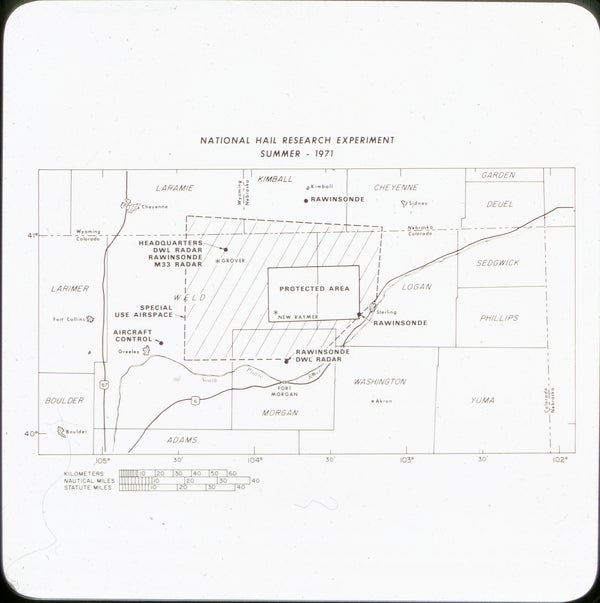
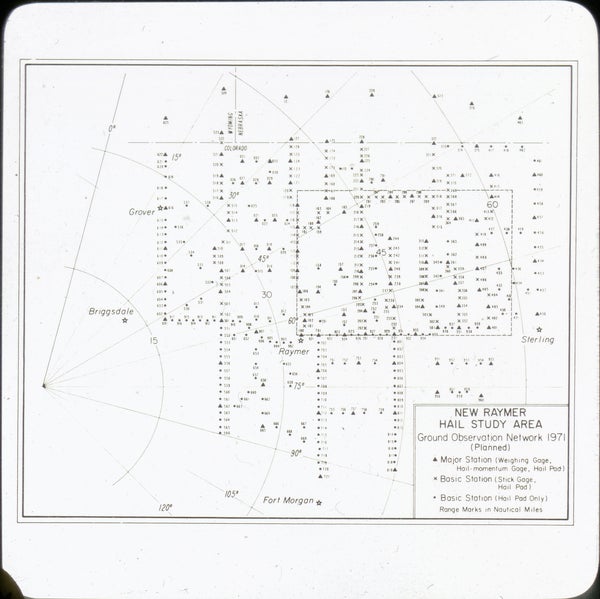
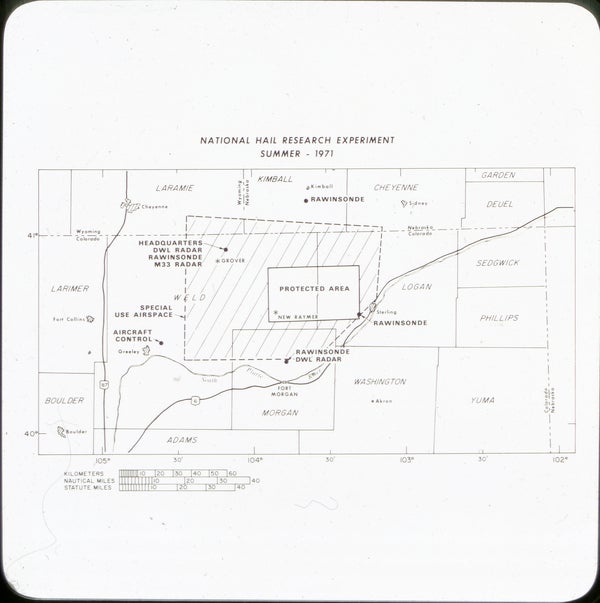
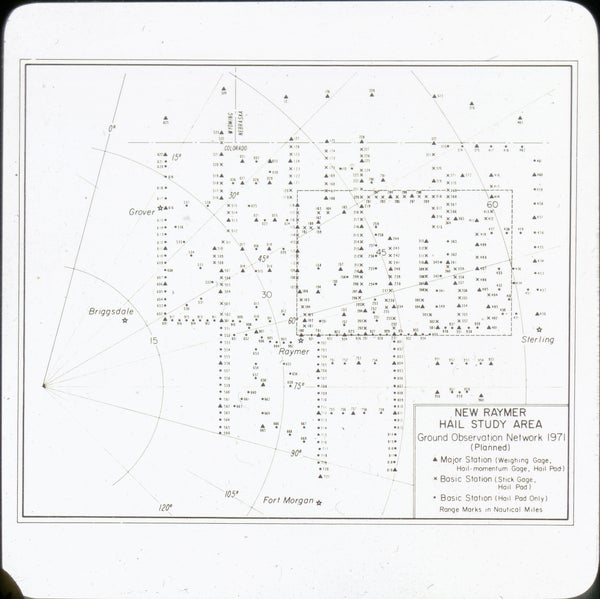
NHRE study area and NHRE New Raymer hail study area
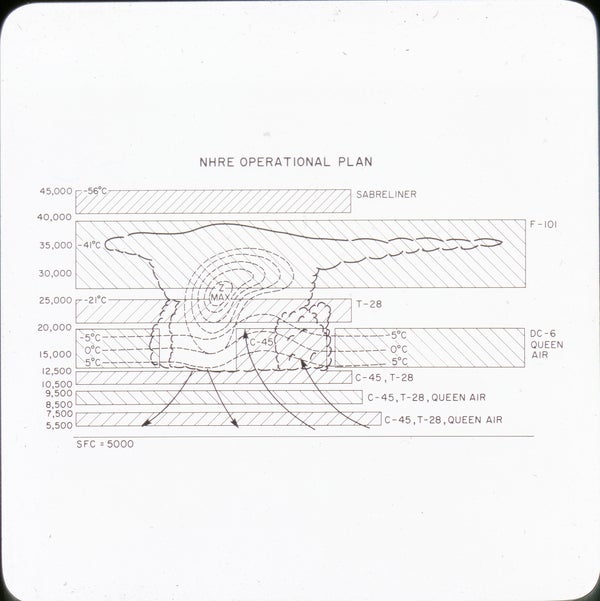
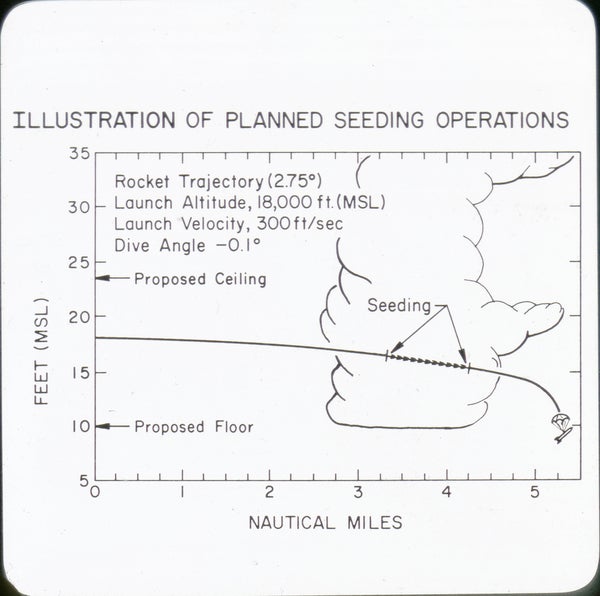
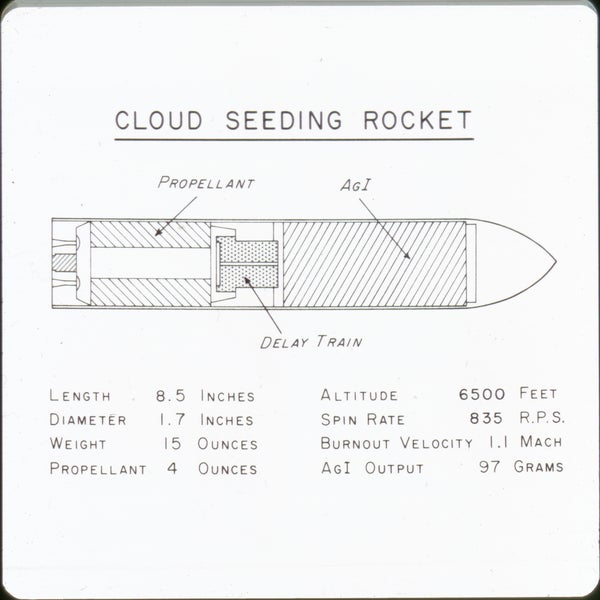
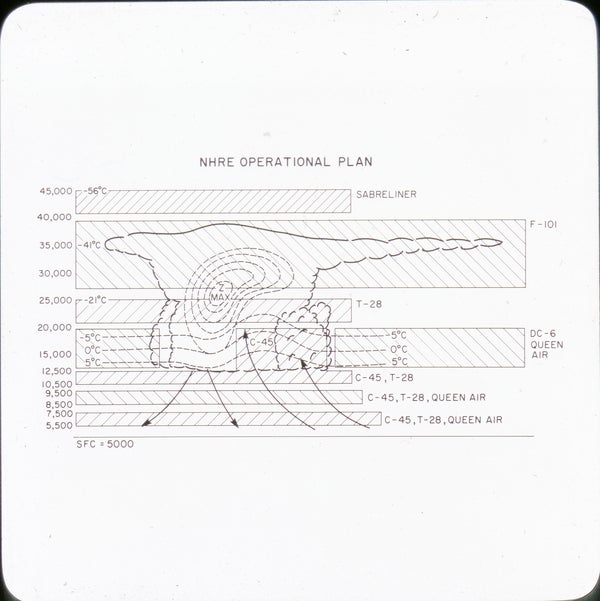
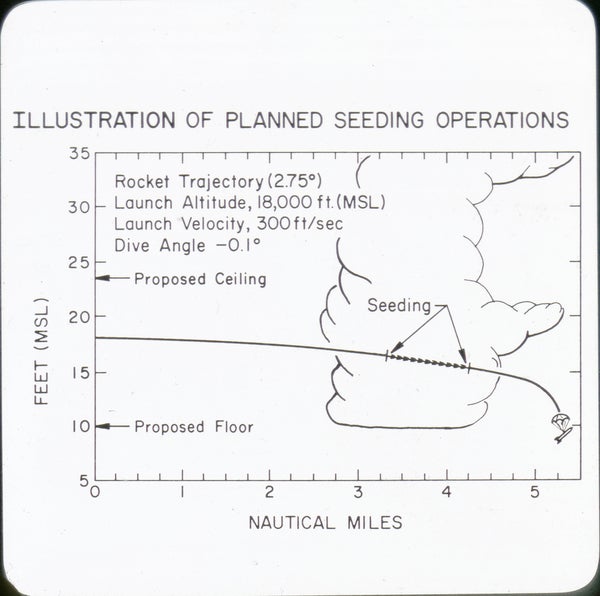
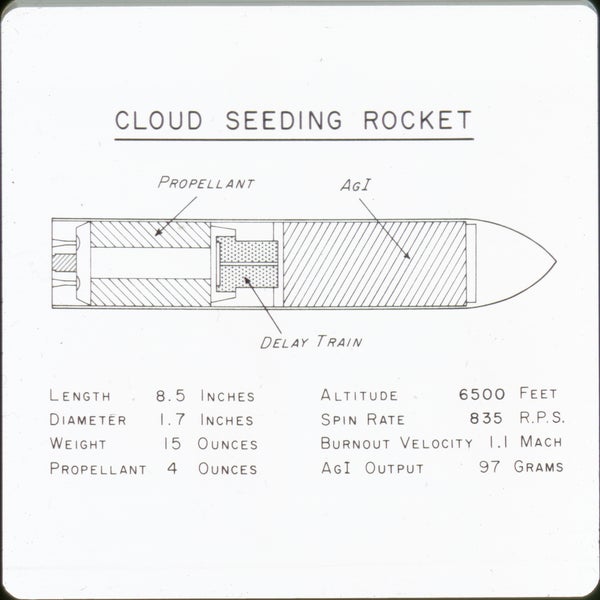
NHRE operational plan, NHRE cloud seeding operation, NHRE cloud seeding rocket
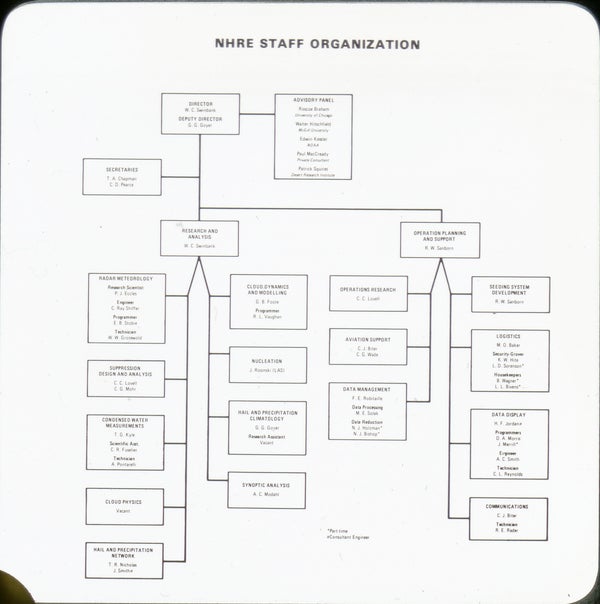
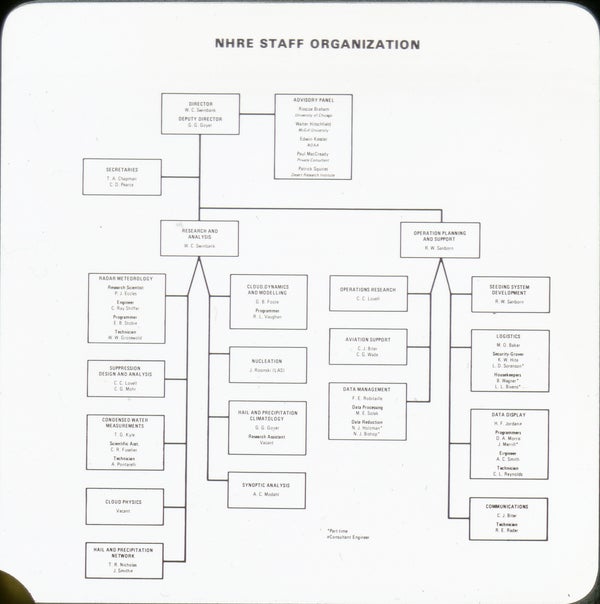
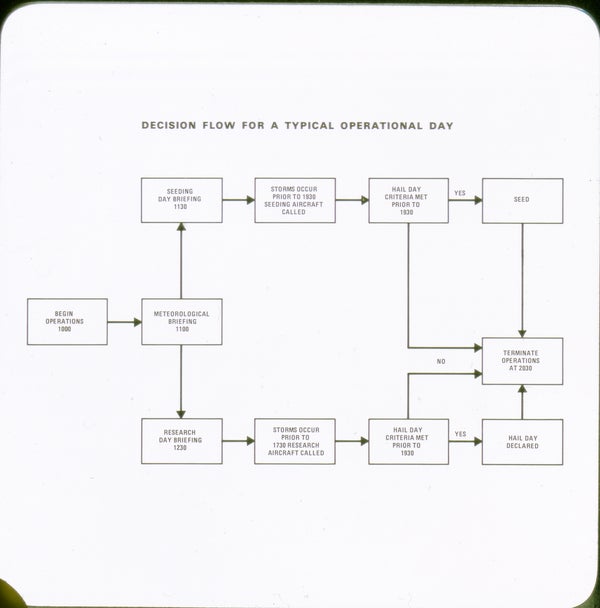
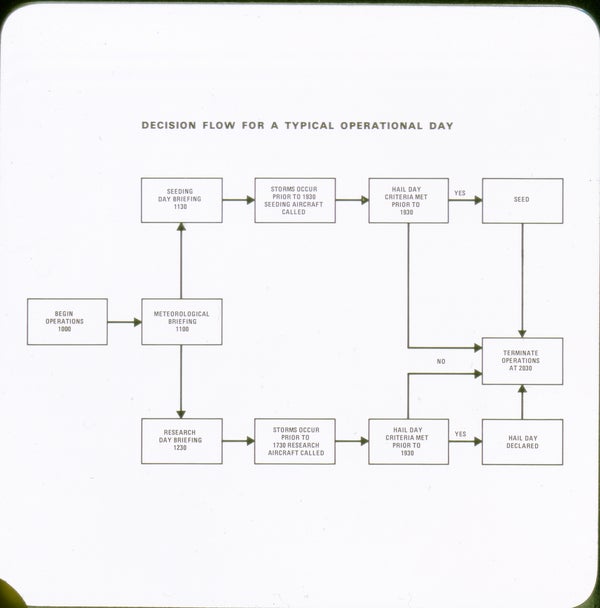
NHRE staff organizational chart and Decision-making flowchart for a typical operational day
All photos copyright University Corporation for Atmospheric Research unless otherwise noted.