Search
ORCAS in the News
AIRCRAFT REVEAL A SURPRISINGLY STRONG SOUTHERN OCEAN CARBON SINK
2 December 2021 New study relies on airborne measurements of carbon dioxide to estimate ocean uptake
Study sheds light on Antarctic Ocean climate riddle
06 December 2021
A CO2 Milestone in Earth's History - Antarctic field project captures 400 ppm levels
AtmosNews | 12 May 2016
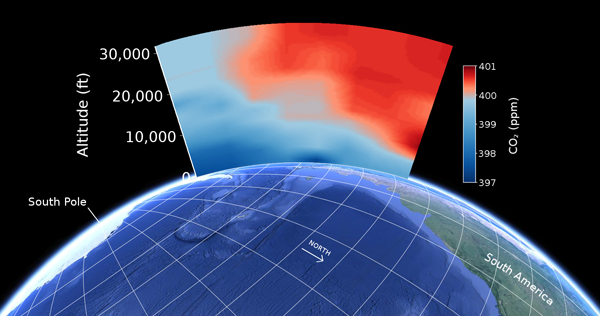
 Earth’s atmosphere is crossing a major threshold, as high levels of carbon dioxide (CO2)—the leading driver of recent climate change—are beginning to extend even to the globe's most remote region. Scientists flying near Antarctica this winter captured the moment with airborne CO2 sensors during a field project to better understand the Southern Ocean's role in global climate.
» Read more
Súper avión investiga por qué mar antártico genera tanto oxígeno
 Los otros 9 instrumentos que trajeron los científico gringos
lun.com | 09 Feb 2016
» Read more
Ministro (s) del Medio Ambiente se reúne con científicos norteamericanos que estudian rol de océanos australes en captura de carbono
Ministerio del Medio Ambiente | 08 February 2016
 Marcelo Mena, Minister (S) Environmental, traveled to the city of Punta Arenas, to see the work being done by scientists from NASA and the National Center for Atmospheric Research in the United States who are studying the role of the oceans austral in the exchange of oxygen and carbon dioxide, and its effects on climate change.
» Read more
MINISTRO (S) DEL MEDIO AMBIENTE VISITA AVIÓN DEL CENTRO DE ESTUDIOS ATMOSFÉRICOS DE ESTADOS UNIDOS
Radiopolar.com | 05 Feb 2016
Un verdadero laboratorio en el aire, es el que están utilizando catorce científicos, quienes a bordo de un avión de la NASA, están estudiando las emisiones de dióxido de carbono (CO₂) y los lugares y elementos que lo absorben en el océano, con el objetivo de ver el efecto de éstos sobre el clima.
» Read more
Nasa and other participants study carbon dioxide absorption capacity of Antarctica
Aerospace-Technology.com | 27 January 2016
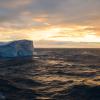 A team of scientists led by the US National Center for Atmospheric Research (NCAR) is undertaking research on the capacity of the Southern Ocean to absorb carbon dioxide. Nasa and other participants are carrying out research flights over the remote seas in Antarctica to understand how oxygen and carbon dioxide are exchanged between the air and the Southern Ocean.
» Read more
NASA Takes Part in Airborne Study of Southern Ocean
Jet Propulsion Laboratory | 26 January 2016
A team of scientists has launched a series of research flights over the remote seas surrounding Antarctica in an effort to better understand how much carbon dioxide the icy waters are able to lock away.
»Read more
ORCAS Campaign Studies Southern Ocean Carbon
Environmental Monitor | 15 January 2016
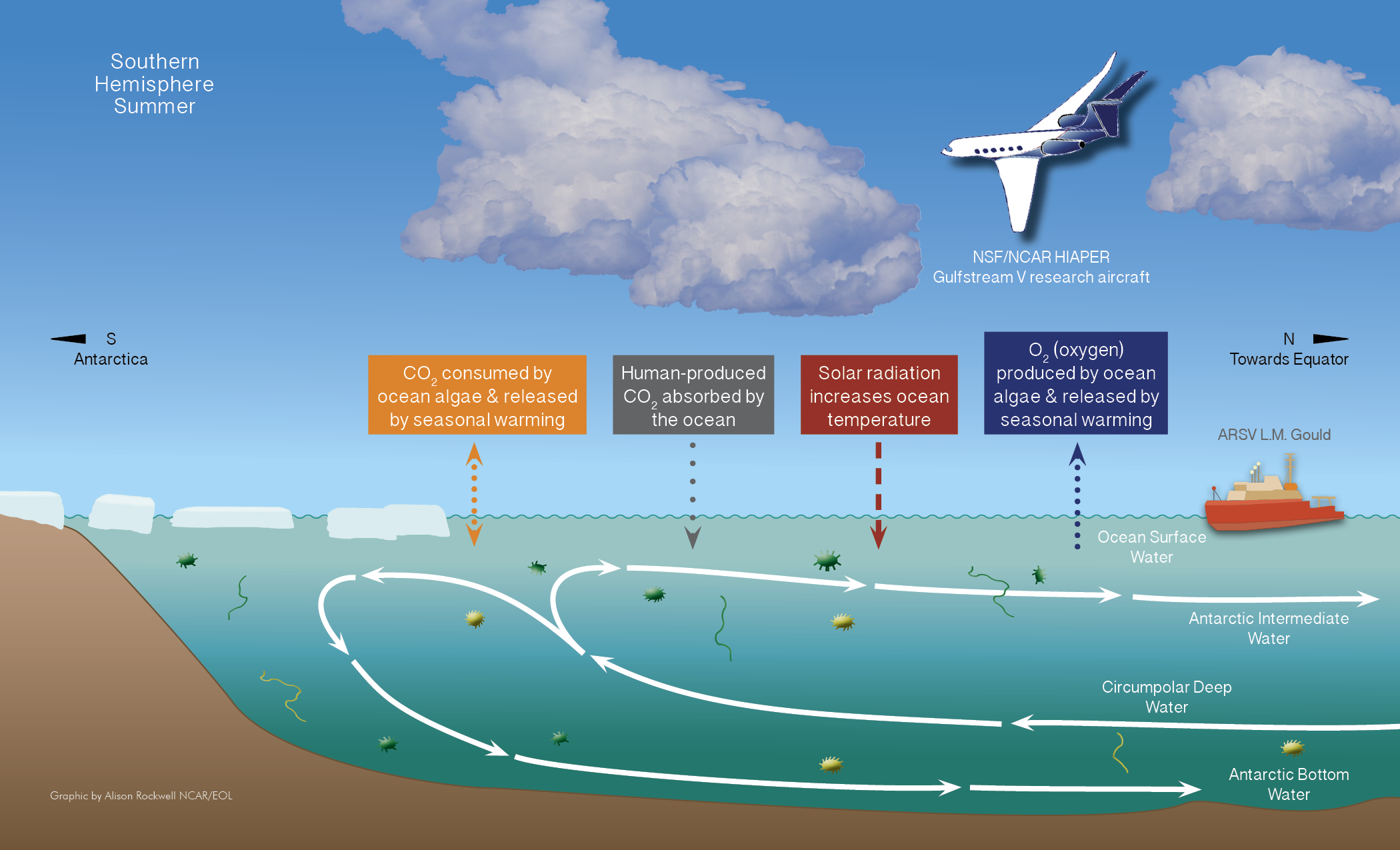
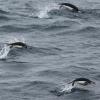 The Southern Ocean is special among the world’s oceans. Unchecked by large landmasses and driven by westerly winds, the ocean is able to form a circular flow around Antarctica, making up what is the planet’s largest current.
» Read more
Colo. scientists to study South Pole ocean in flying lab
9News | 11 January 2016
 Inside a jet in Broomfield, science is about to go airborne. In the weeks leading up to now, scientists from the National Center for Atmospheric Research in Boulder have been busy getting ready to head to one of the most inhospitable areas of the world.
» Read more
Flying Lab to Investigate Southern Ocean's Appetite for Carbon
AtmosNews | 5 January 2016
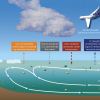 A team of scientists is launching a series of research flights this month over the remote Southern Ocean in an effort to better understand just how much carbon dioxide the icy waters are able to lock away. The ORCAS field campaign—led by the National Center for Atmospheric Research (NCAR)—will give scientists a rare look at how oxygen and carbon dioxide are exchanged between the air and the seas surrounding Antarctica. The data they collect will help illuminate the role the Southern Ocean plays in soaking up excess carbon dioxide emitted into the atmosphere by humans.
» Read more

ORCAS Educational Resources
COMET MetEd Advanced Education Resources(free login required)
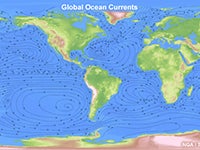
Introduction to Ocean Currents
The world’s oceans are in constant motion. Currents move vast amounts of water at all depths. These currents directly impact many human activities on a daily basis. Activities as diverse as shipping, fishing, oil and gas activities, and military operations must account for currents. More indirectly, but no less important, ocean currents redistribute heat, which affects atmospheric processes. In this way, ocean currents impact nearly all maritime operations. [...]
 Mesoscale Ocean Circulation Models
This module examines mesoscale ocean circulation models and features and processes that they predict. These models simulate temperature, salinity, currents, and elevation in 3 dimensions through a period of time. They have sufficient resolution to simulate features like fronts, eddies, upwelling, and internal tides. In this module, we examine current operational models, limitations to model forecasts, examples of predicted ocean features, and potential applications. [...]
 Introduction to Climate Models
This module explains how climate models work. Because the modeling of both weather and climate share many similarities, the content throughout this module draws frequent comparisons and highlights the differences. We explain not only how, but why climate models differ from weather models. To do so, we explore the difference between weather and climate, then show how models are built to simulate climate and generate the statistics that describe it. We conclude with a discussion of models are tuned and tested. [...]
 Introduction to Ocean Models
Oceans cover over 70% of the surface of the earth, yet many details of their workings are not fully understood. To better understand and forecast the state of the ocean, we rely on numerical ocean models. Ocean models combine observations and physics to predict the ocean temperature, salinity, and currents at any time and any place across the ocean basins. This module will discuss what goes into numerical ocean models, including model physics, coordinate systems, parameterization, initialization, and boundary conditions. [...]
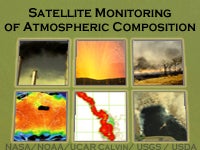
 Satellite Monitoring of Atmospheric Composition
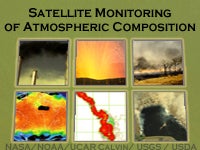
Satellite monitoring of atmospheric composition provides important information for a number of applications, including stratospheric ozone monitoring, long-range pollutant transport, biomass burning, air quality monitoring and forecasting, and climate change. This module provides an overview of the use of satellites in these application areas, the measurement techniques used, and the development of related operational services. [...]
UCAR Center for Science Education K-12 Resources
What do soda and the oceans have in common?
Grade level: 9-12
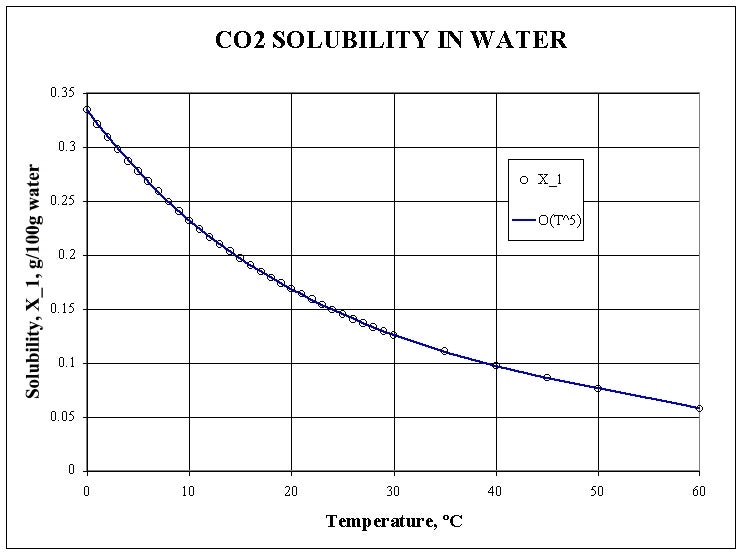
Students will use soda to explore how carbon dioxide is able to dissolve into liquid. They will learn about Henry's law, which describes how the solubility of gas into liquids is dependent on temperature and develop hypotheses about how the amount of carbon dioxide in the atmosphere, a greenhouse gas, is affected by rising atmospheric and oceanic temperatures. [...]
CO2: How Much Do You Spew?
Grade level: secondary education
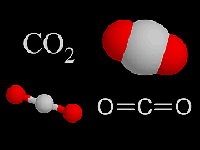
Students analyze the energy consumption of a hypothetical household to determine the amount of carbon dioxide they are adding to the atmosphere each year. [...]
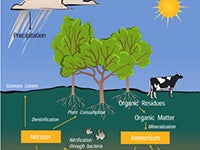 The Nitrogen Cycle Game
Grade level: 5-9
Students play the role of nitrogen atoms traveling through the nitrogen cycle to gain understanding of the varied pathways through the cycle and the relevance of nitrogen to living things. [...]
 The Very Simple Climate Model
Grade level: 6-12
Through a simple online model, students learn about the relationship between average global temperature and carbon dioxide emissions while predicting temperature change over the 21st Century. [...]
K-3 Videos - A researcher on the project put together a wonderful set of short videos targeted to a younger audience about ORCAS and field research.


ORCAS Q&A
| Let's get the #ORCAS16 conversation started! |
 Do you have questions about ORCAS? If so, we'd like to hear from you and respond to your questions!
Please ask engaging questions about:
- ORCAS scientific goals and objectives
- Project planning, operations, and deployment
- Developing and managing the data acquisition systems
- The instruments and platforms used to make the observations and collect data
- Or anything else that you'd like to ask the ORCAS scientific and operations teams

Please tweet your question to @ncareol and use the hashtag #ORCAS16, we'll answer in 140 characters or less.
 If you prefer to use Facebook, please post your question to the EOL Facebook page, again using the hashtag #ORCAS16.


ORCAS Aircraft Instruments
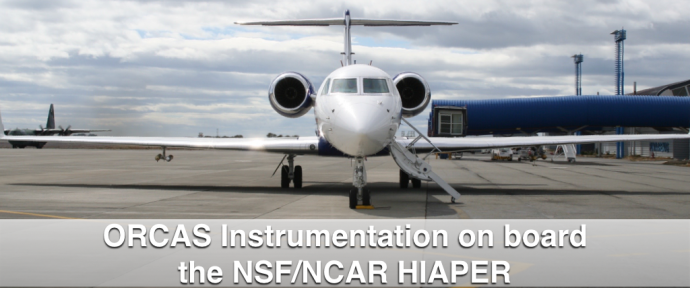
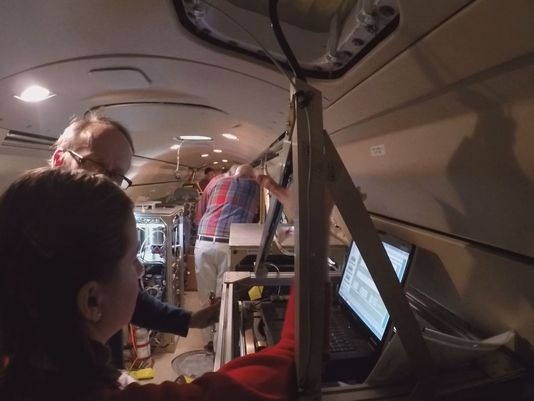
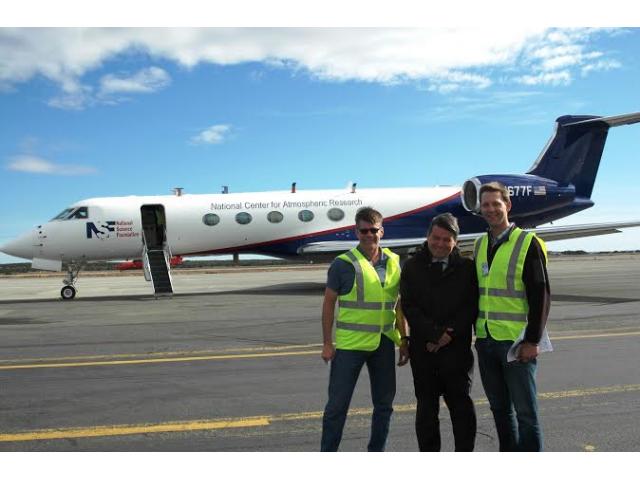
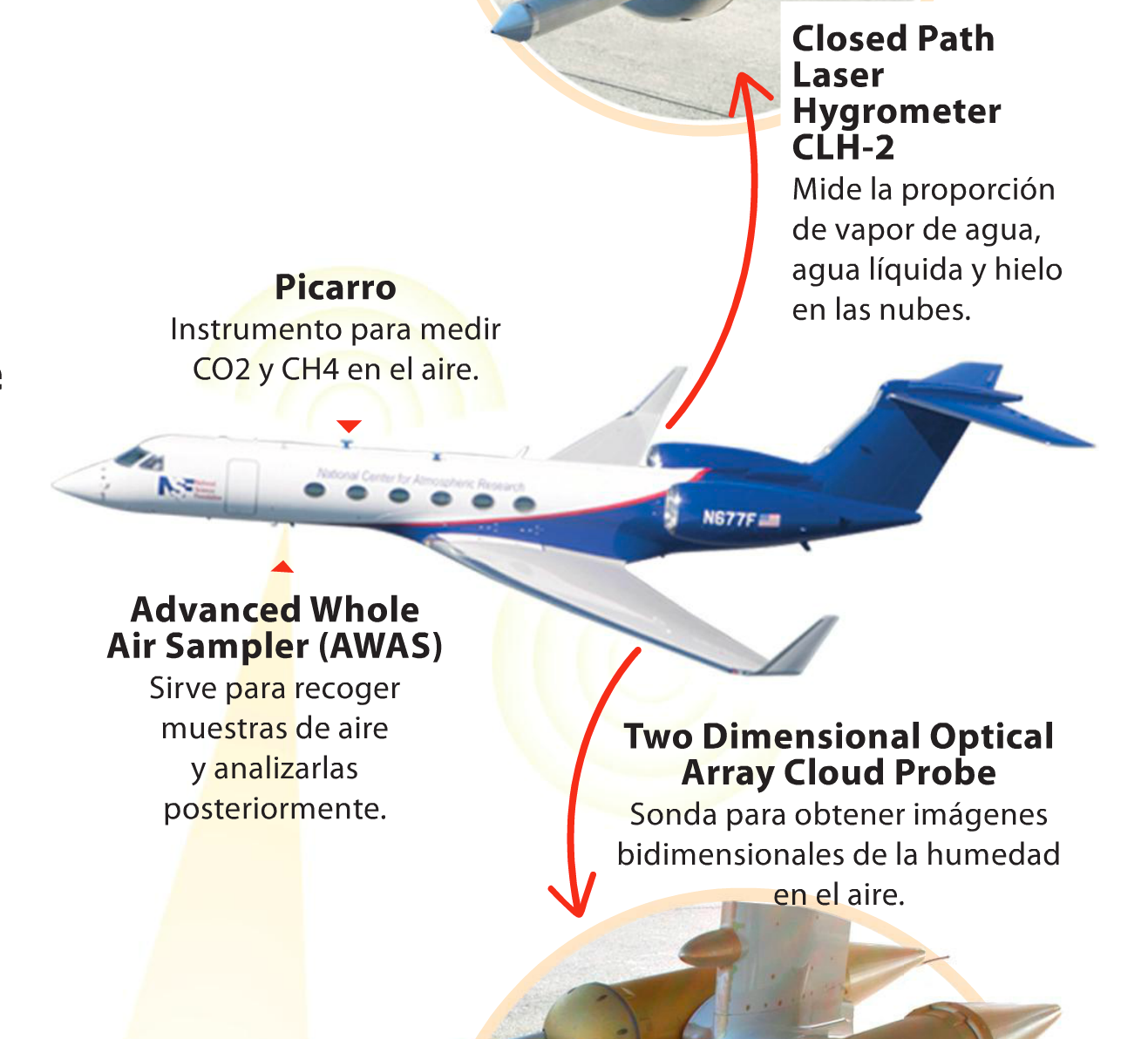
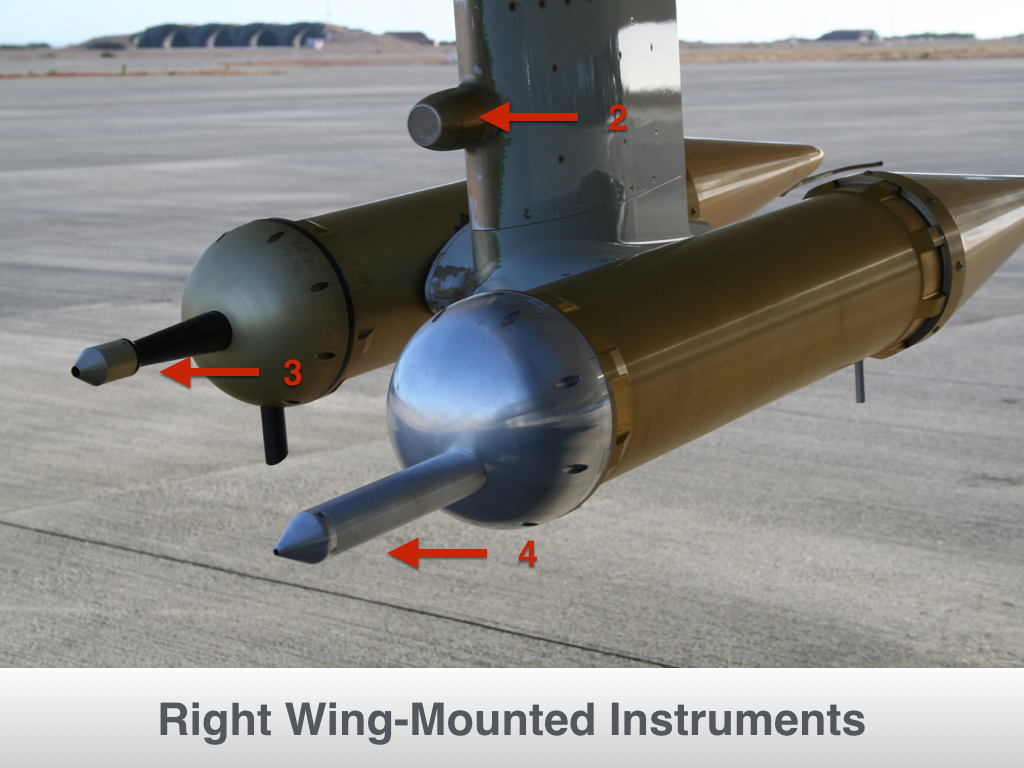
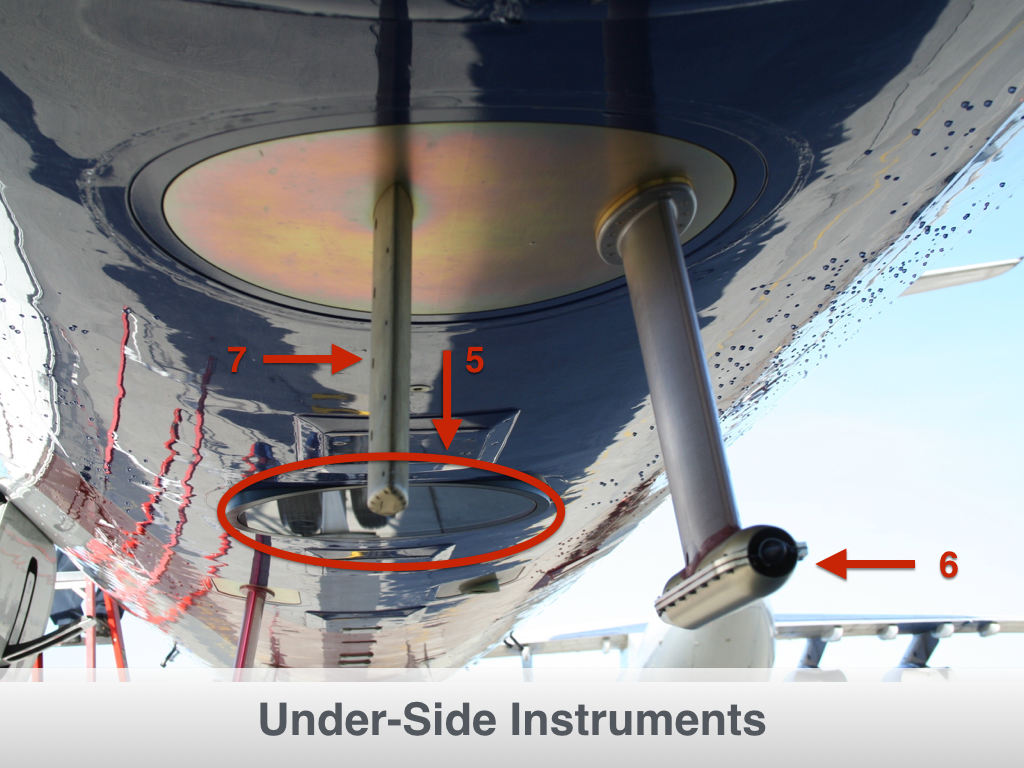
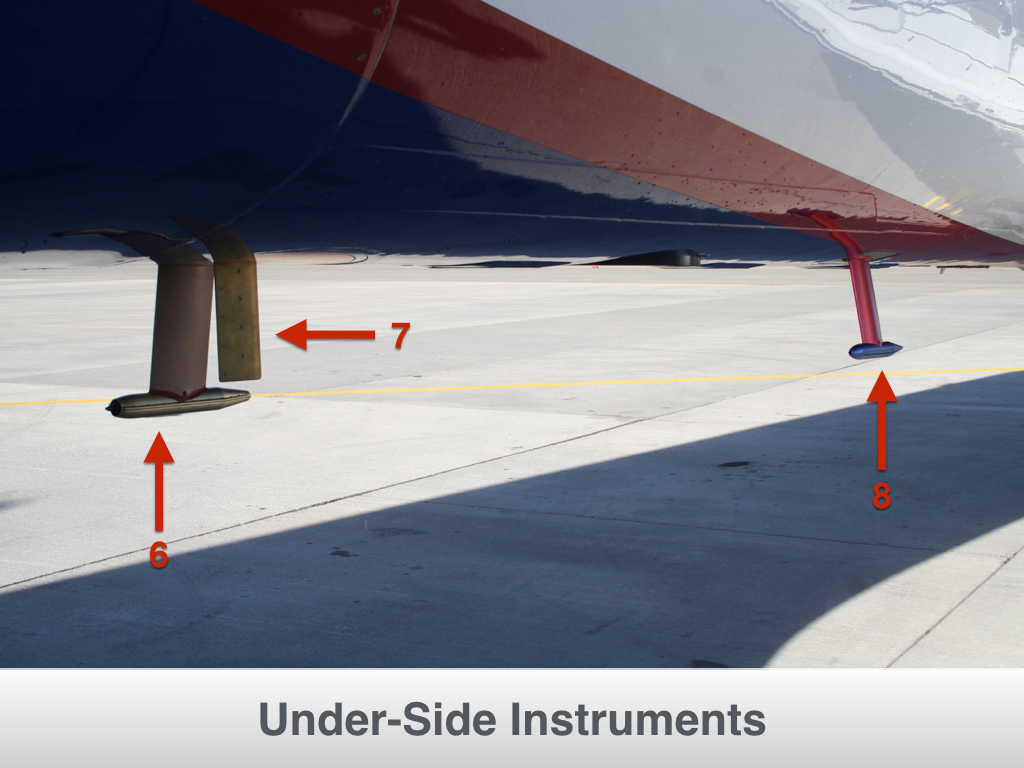
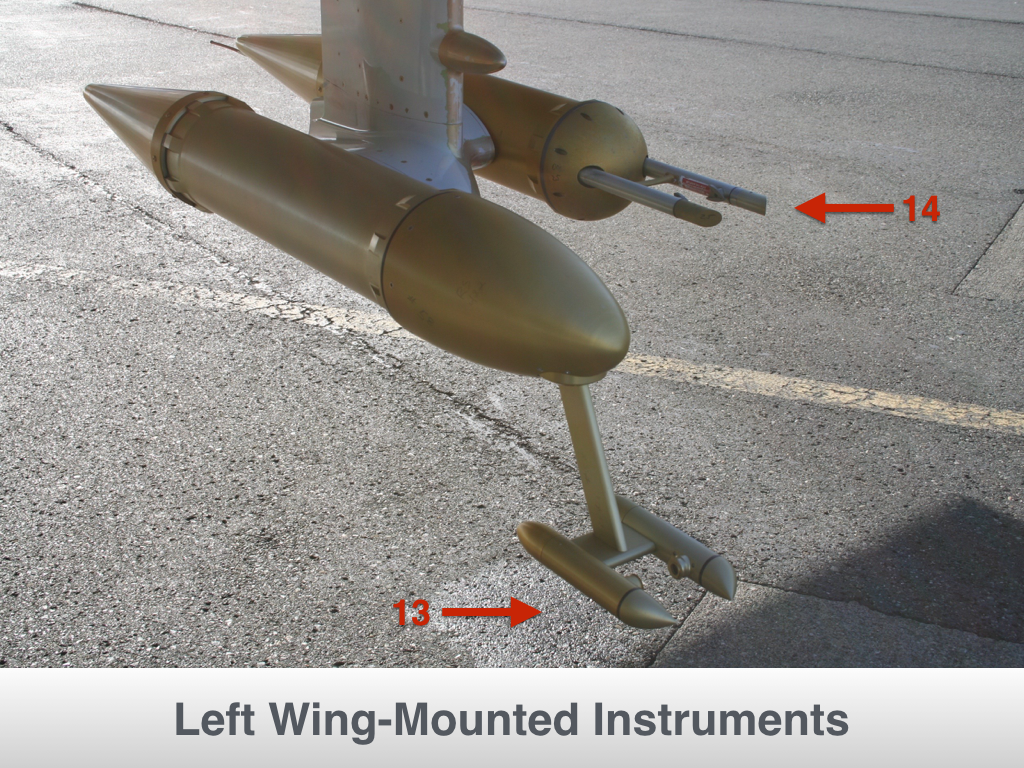
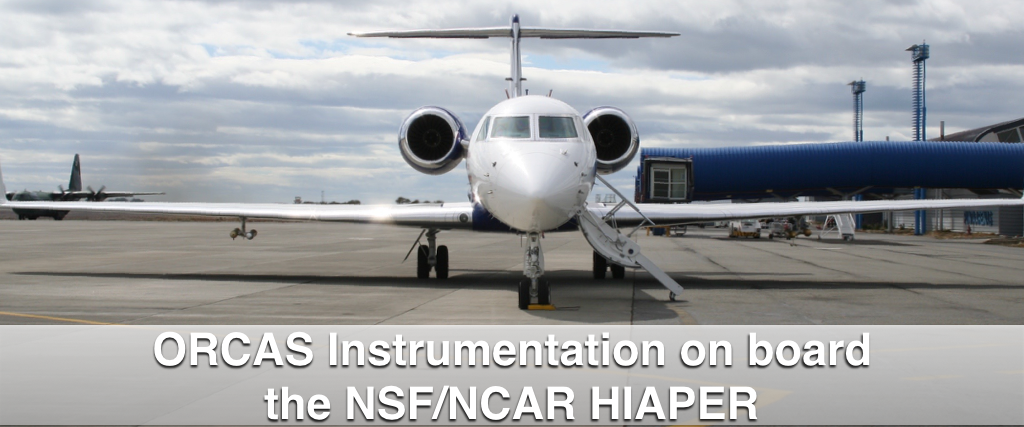
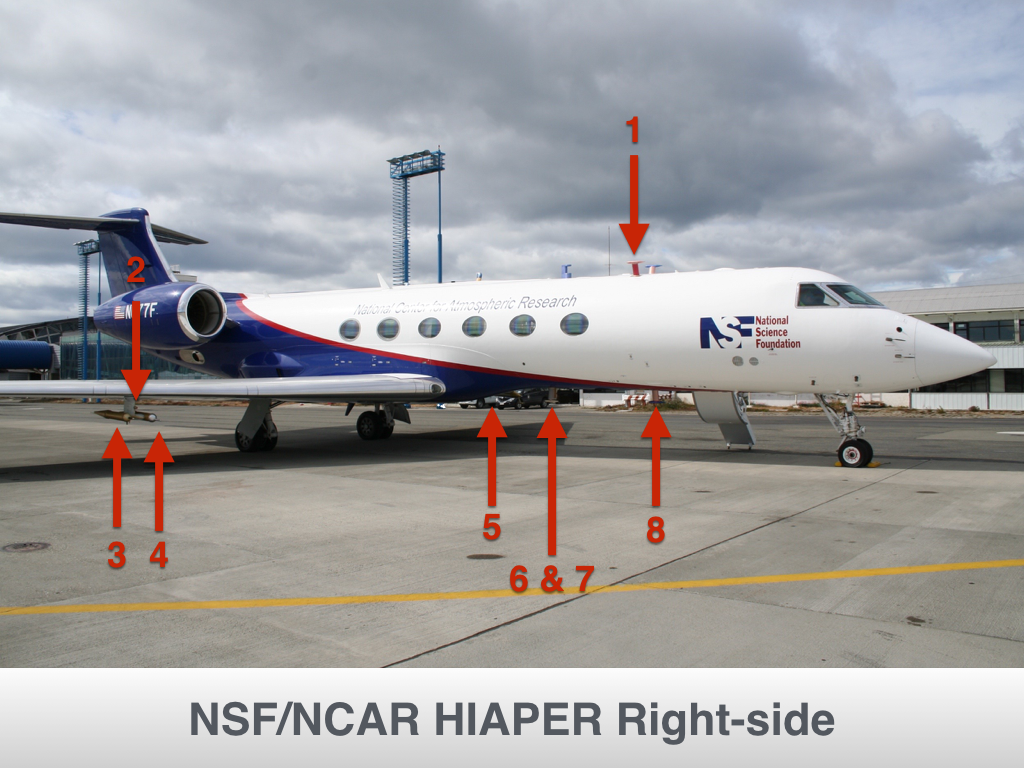
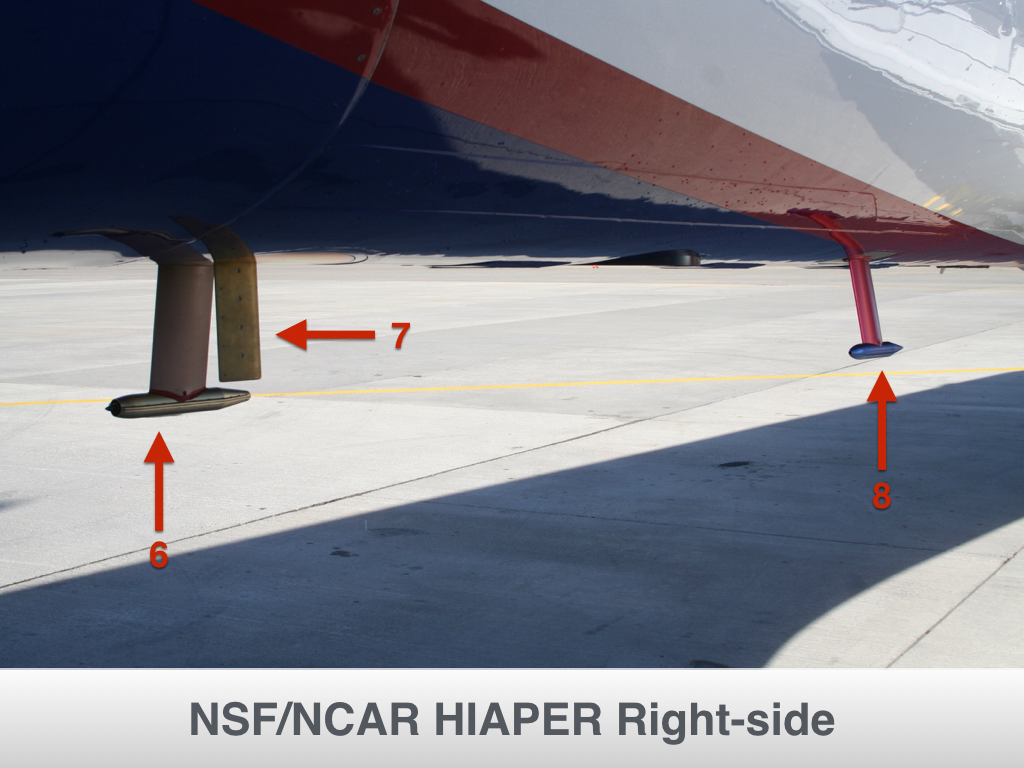
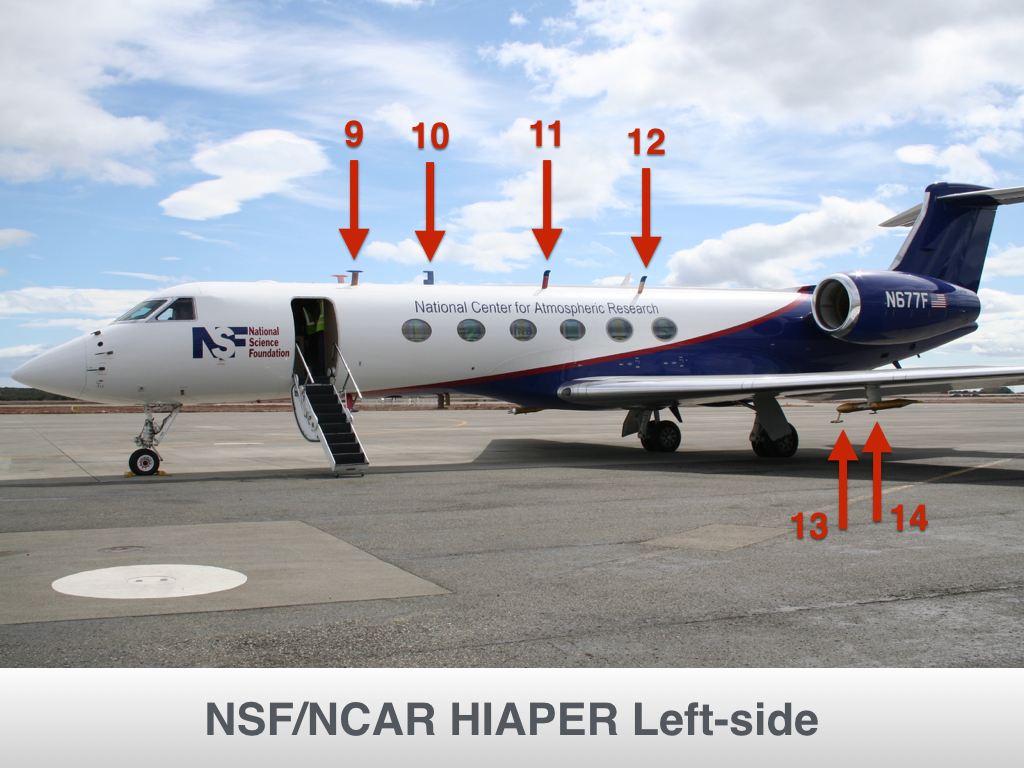
Our research aircraft are essentially "flying laboratories". For each field project a specialized suite of instruments are uploaded to the aircraft to meet the research needs of the study. ORCAS will use the NSF/NCAR HIAPER Gulfstream V research aircraft with a suite of specially designed instruments on board to make measurements of gases such as oxygen (O2) and carbon dioxide (CO2) in the atmosphere and other environmental conditions over the Southern Ocean and surrounding areas. Instruments fall into four main categories to make measurements of 1) the carbon cycle, 2) reactive trace gases, 3) remote sensing of chlorophyll levels, and 4) aerosols and cloud microphysics.
Data will be collected over the span of approximately 14 7-hour research flights, and measurements taken from research vessels and a network of ocean sensing arrays are also contributing to the research project.
Right-Side Instrumentation
|
Click to enlarge photos |
||
 |
 |
 |
Left-Side Instrumentation
|
|
 |
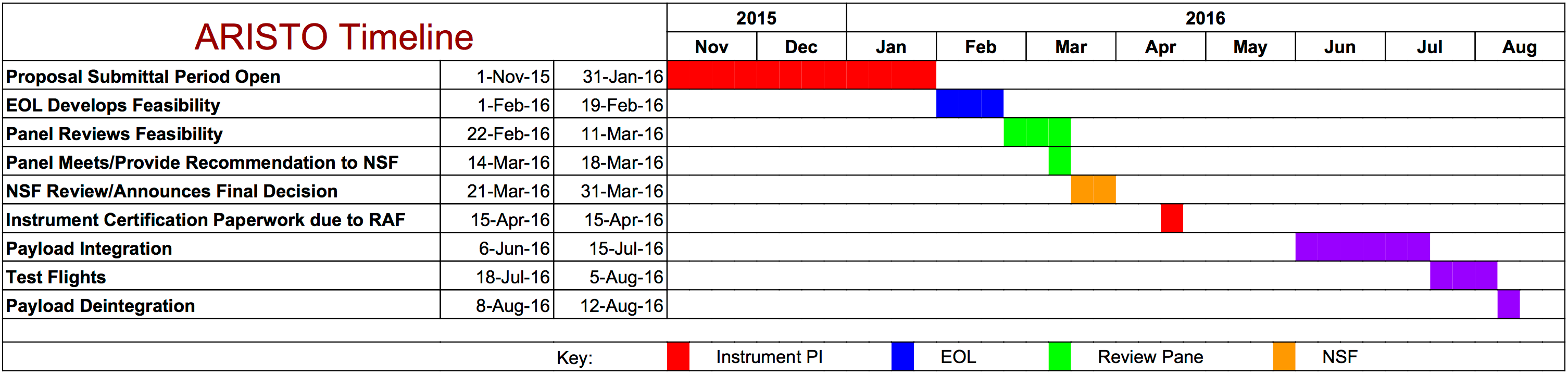
2015/2016 Timeline
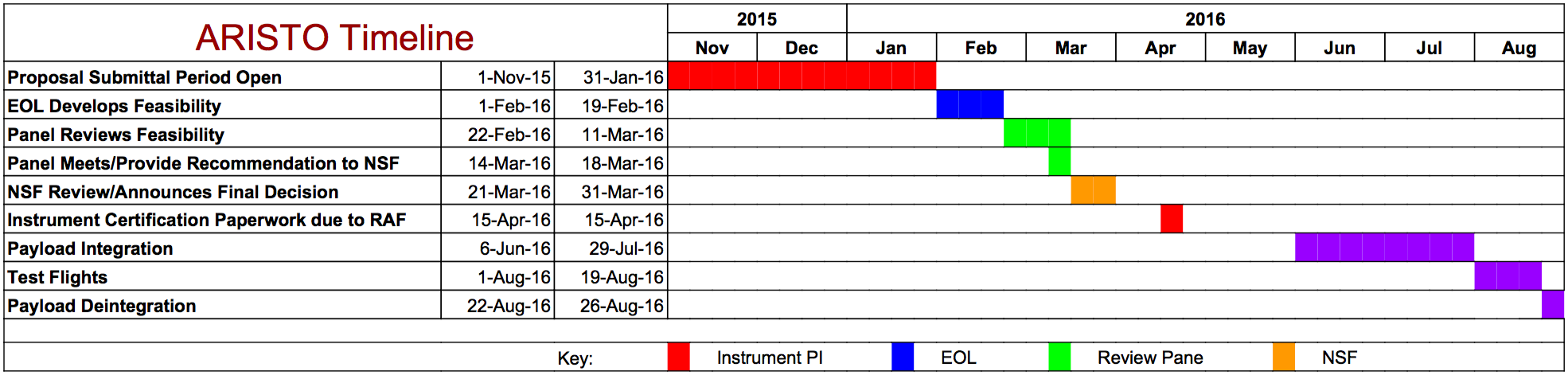
1. Proposal submission: can be accomplished online here.
2. Feasibilities: Once all proposals have been received, EOL will develop feasibilities, cost estimates, and potential payloads for the ARISTO project. If there are more instruments than will fit on the selected aircraft, EOL will develop multiple recommendations for the ARISTO panel to review.
3-4. Panel Review: The ARISTO review panel will be small (4-6 members) and consist of experienced airborne researchers. The role of the review panel is to provide an independent review of the feasibilities proposed by EOL and provide a recommendation the the NSF program manager.
5. NSF Program Manager Review: The NSF Program Manager will review the feasibility and recommendation of the review panel and provide a final funding decision.
6. Instrument Certification Paperwork: Certification paperwork is due to RAF sixteen weeks prior to the beginning of flight tests. For more information on these requirements, click here.
7. Payload Integration: Payload upload will take place 4-6 weeks prior to the test flights. an upload schedule will be made by the RAF PM once the final funding announcement is made by the NSF Program Manager.
8. Flight Tests: A flight test schedule will be made that optimizes testing opportunities and meets the needs of the instrument PIs.
9. Payload Download: will begin after the flight tests are completed.