BASE TRAILER
-
Power
-
240 VAC split phase (2 phase, two 110 VAC lines with neutral) minimum 100 amp drop is required for power. At the main power drop, a fused disconnect box with a [NEMA 14-60 R receptacle] and lightning arrestor should be installed. The power drop must be within 75 ft. of trailer(s) location. We also have used a generator when chemical emissions are not a problem.
-
Space Requirement
-
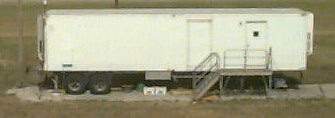
The Base trailer is 42 feet long, 8 feet wide and 12.5 feet long. The air conditioning unit and rear platform each add an additional 22 inches to the length for an overall length of 45.6 ft. With entrance steps installed, a rectangular space of 45 by 20 ft is needed for the trailer. Note that room is required for the truck to maneuver the trailer into position. The ground should be a solid base (in all weather), relatively smooth, and level. Gravel or plywood may be used to stabilize this pad.
-
Access
-
Tractor/trailer access is necessary to install the trailers. The access should be evaluated considering the width and height of the trailers, the current tractor/truck, including maneuvering space, and turns, as well as road and weather conditions at the location during setup.
-
Communication
-
Voice communication to the outside world is required both for safety and to facilitate operations. Either direct phone line, cellular, or radio will suffice. A separate internet connection also is needed, either hard-wired, via cell-phone modem, or satellite for offsite data transfer and monitoring. This will be arranged by ISFS if necessary. Reasonable use of phone and internet connections by the PIs usually is possible.
-
ISFS arranges for portable toilets to be installed if other bathroom facilities are not available.
INSTRUMENT ARRAYS
-
Power
-
For small deployments, stations often can be DC powered off-the-grid using solar panels, wind generators, or hydrogen fuel cells [limited number]. AC power is supplied by the main power drop back at the base. The distance between the array transformer and the base must be within 1000m. This limitation is due to the amount of power cable available.
-
Space Requirement
-
This will vary depending upon the configuration selected by the investigator. Limiting factors are communication and power cables. For cabled configurations, the maximum distance from the optical cable drop, located at the transformer, to the farthest ADAM is 500'. For WiFi configurations, the maximum distance is on the order of 10km line-of-sight from the ISFS base to the ADAM. Since the footprint of each tower array is small, the terrain is not critical. However, there has to be the ability to provide anchor points for the tower guy wires, (three per 10m tower at a 7 m radius). Typically, a 2 ft. stake is driven into the ground for each anchor plus a 6 ft. grounding rod.
-
Access
-
It is convenient for setup and teardown to have vehicle access to each tower, in the form of 2-3 pickup truck loads. The truck can be backed along the same tracks to minimize crop damage. Tower servicing usually will be done by foot access along the same tracks. Requests to install towers with only foot access will be considered, depending on the amount of equipment and distance to travel.
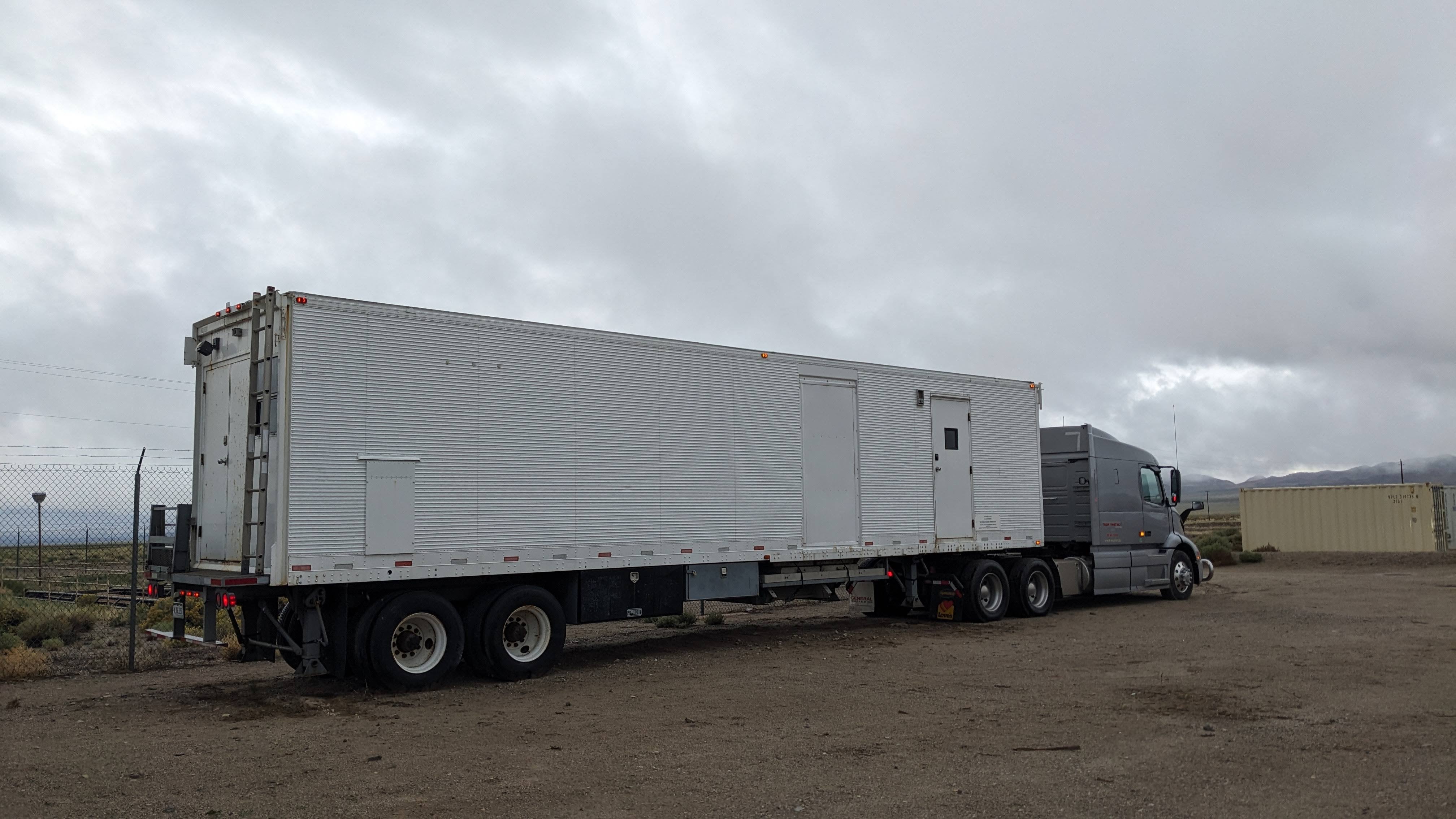
Truck taking ISFS base trailer from M2HATS site back to Colorado.
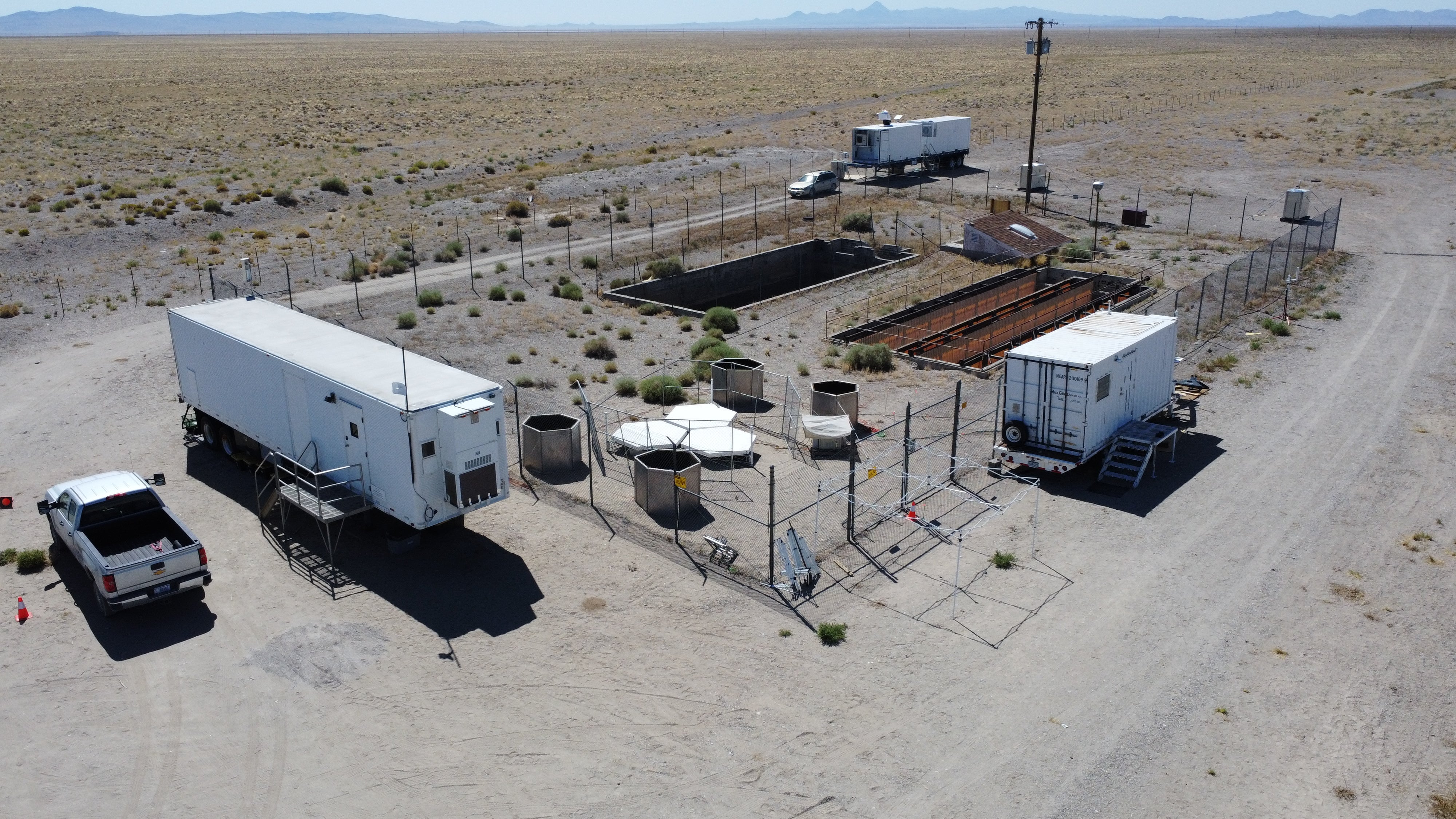
ISFS base trailer (left) at M2HATS site during field operations.
Chenning Tong, Clemson University
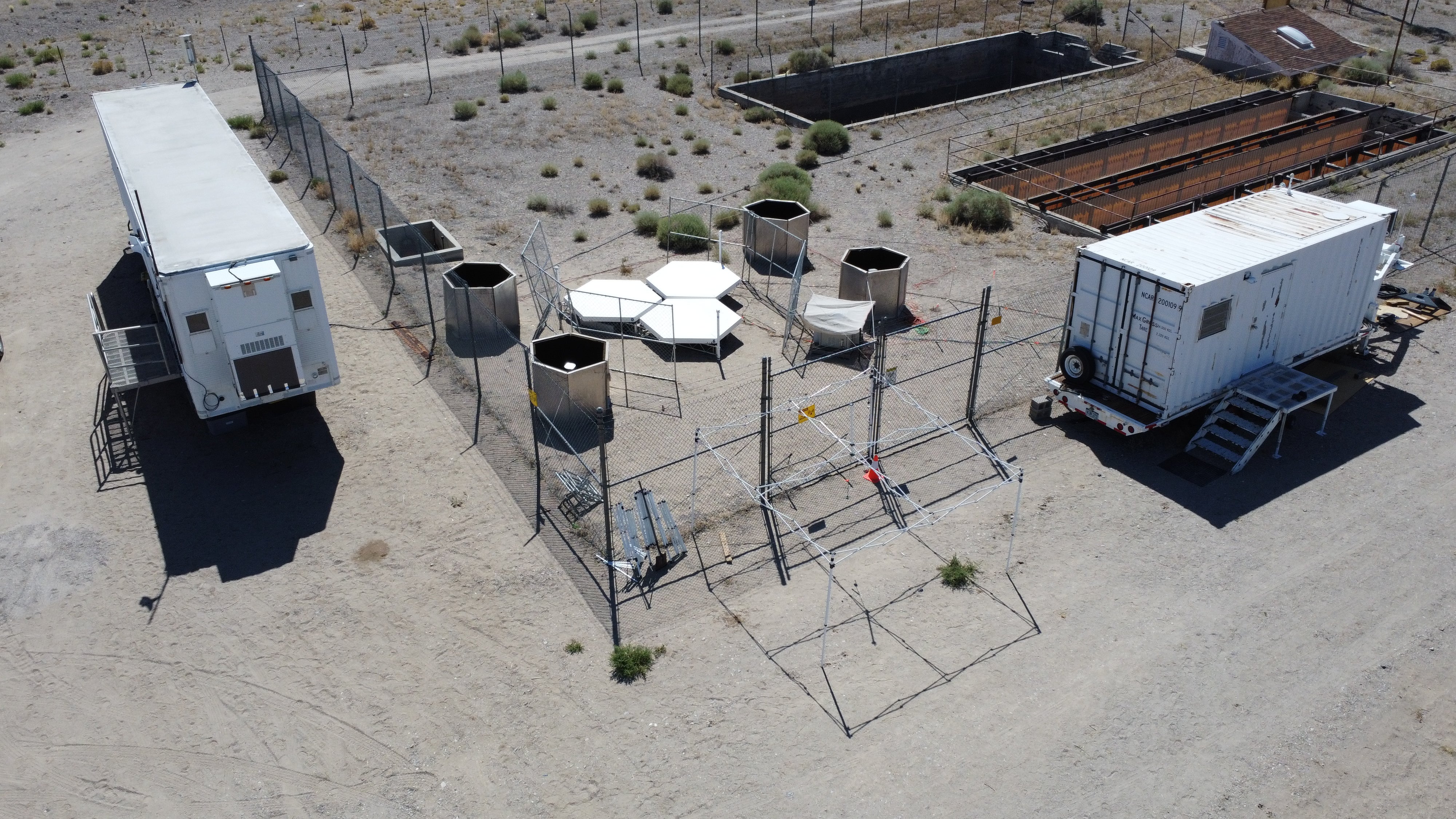
ISFS base trailer (left) at M2HATS site during field operations.
Chenning Tong, Clemson University
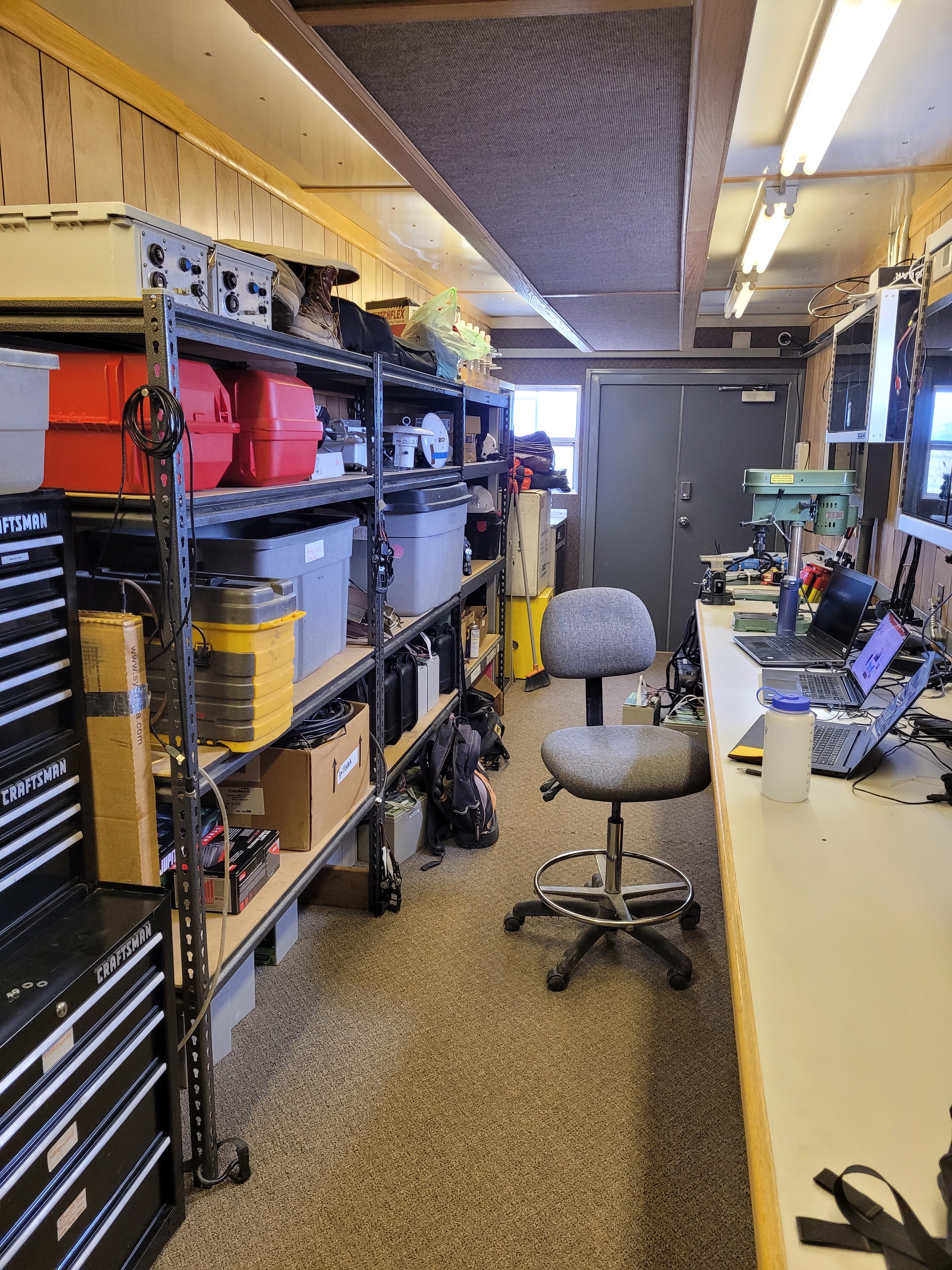
ISFS base trailer interior during M2HATS.
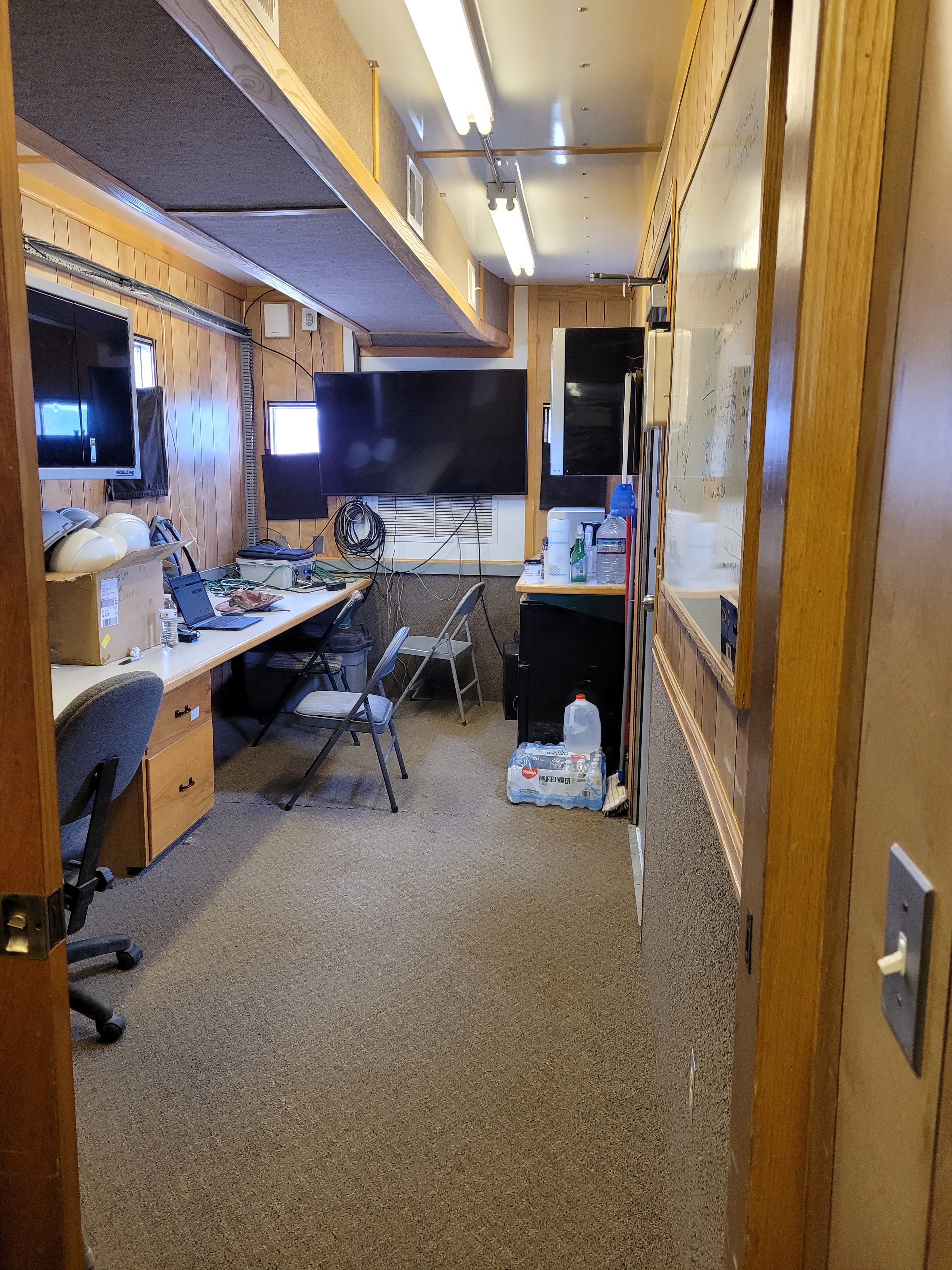
ISFS base trailer interior during M2HATS.
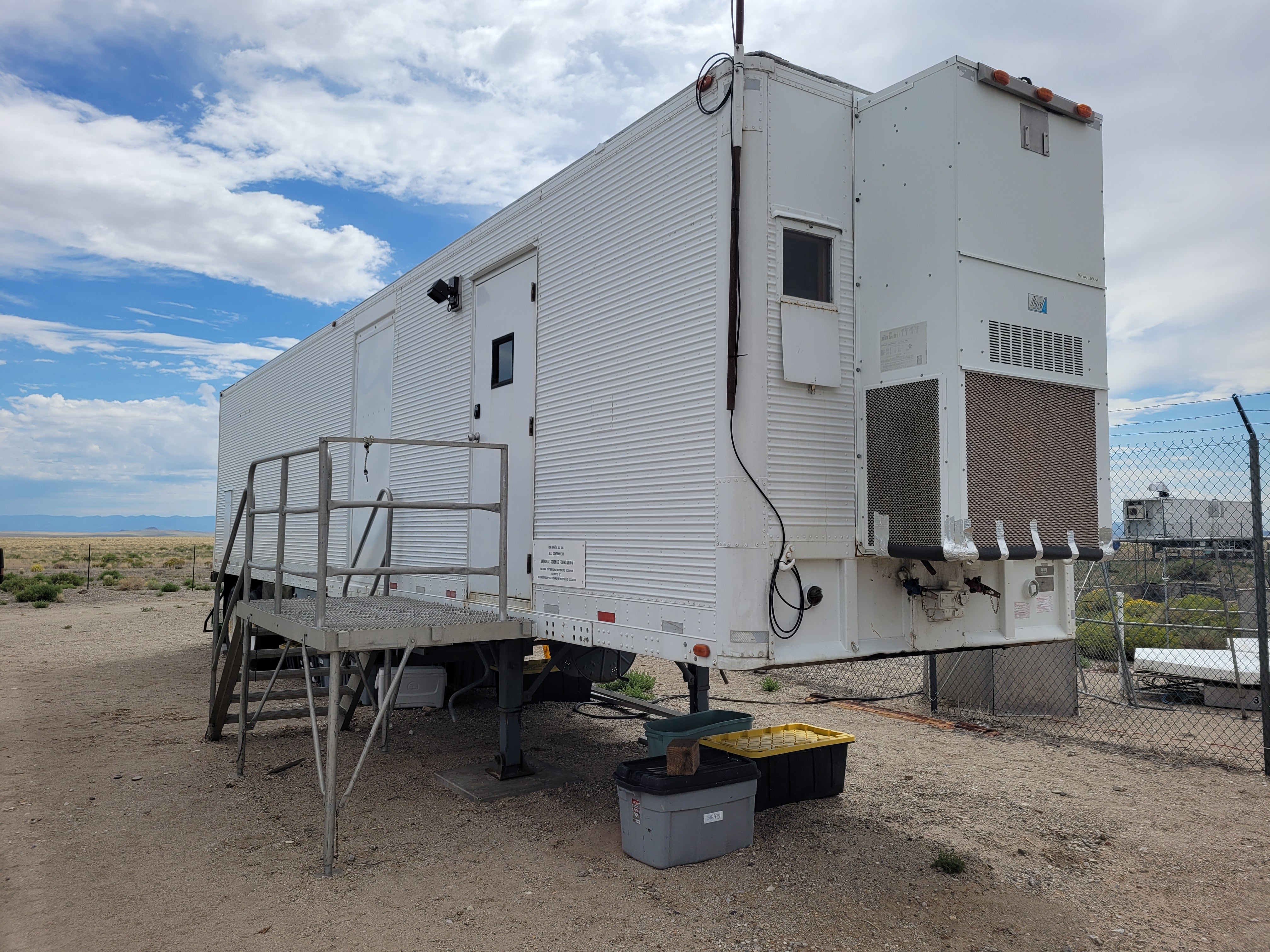
ISFS base trailer at M2HATS site during field operations.
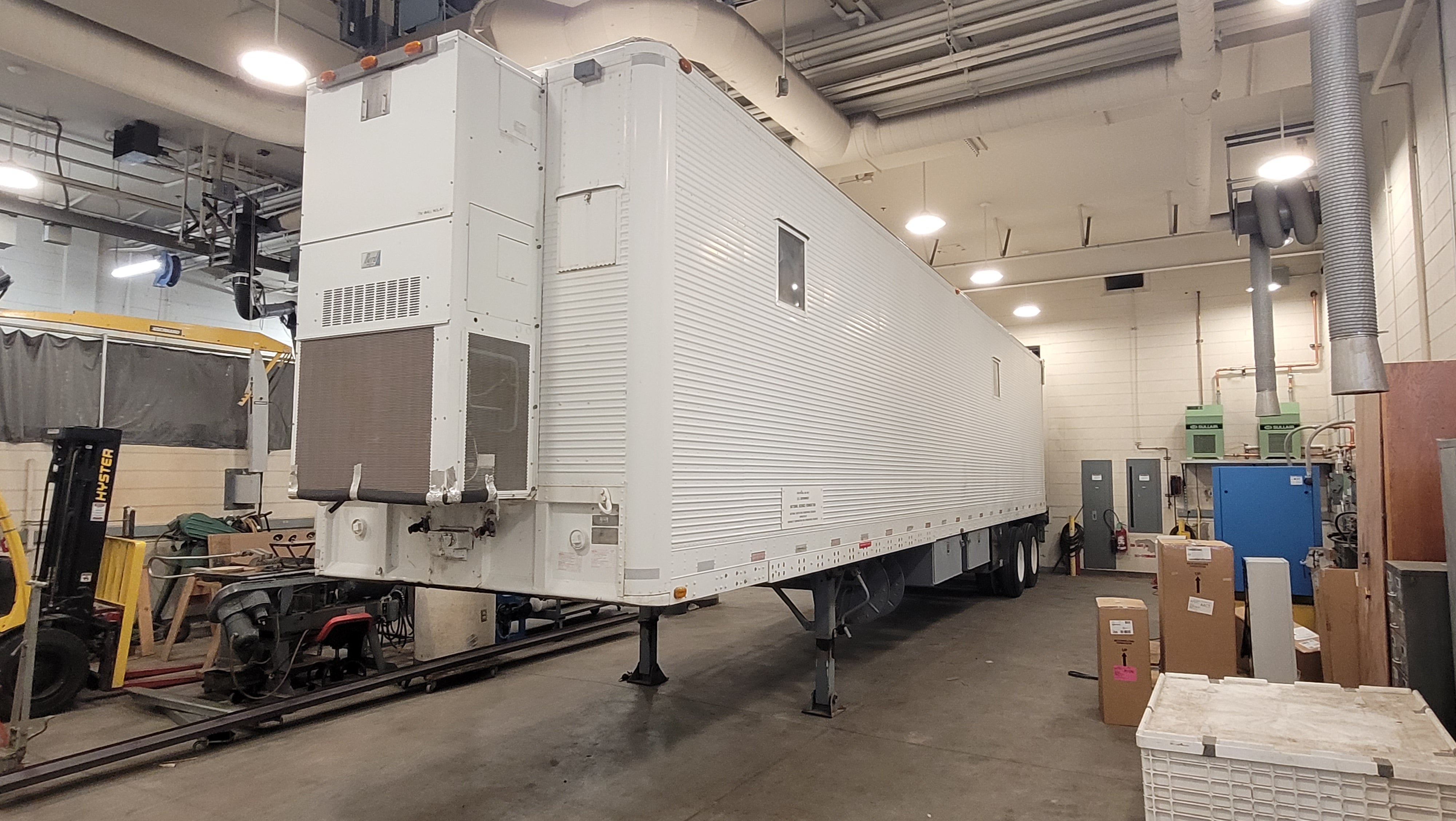
ISFS base trailer in Foothills Laboratory 1 high bay prior to M2HATS.