Search
HIPPO IV: Research Flight 08 - Darwin, Australia to Saipan
07.03.11: US
07.04.11: AU
RF08 of HIPPO IV landed safely in Saipan. The GV was held at a constant 40,000 ft altitude by the Indonesian Air Traffic Control and only was able to start dips as about 4ºN, limiting profiling to only 3 dips on this flight. However, they were able to accomplish a high ascent before landing.
HIPPO IV: Research Flight 07 - Hobart to Darwin, Australia
June 30, 2011: US
July 1, 2011: AU
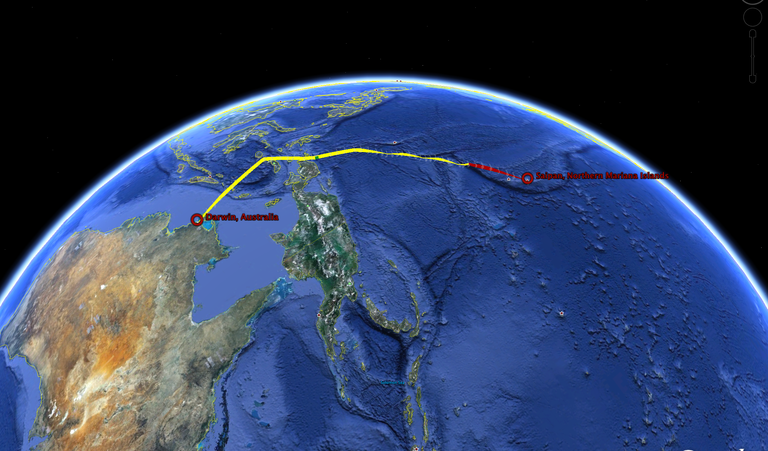
The GV and the crew arrived in Darwin on a flight was shorter than expected, at just over 7 hours; making 5 low approaches along the way.
HIPPO IV: Research Flight 06 - Southern Polar Flight
June 28, 2011: US
June 29, 2011: AU
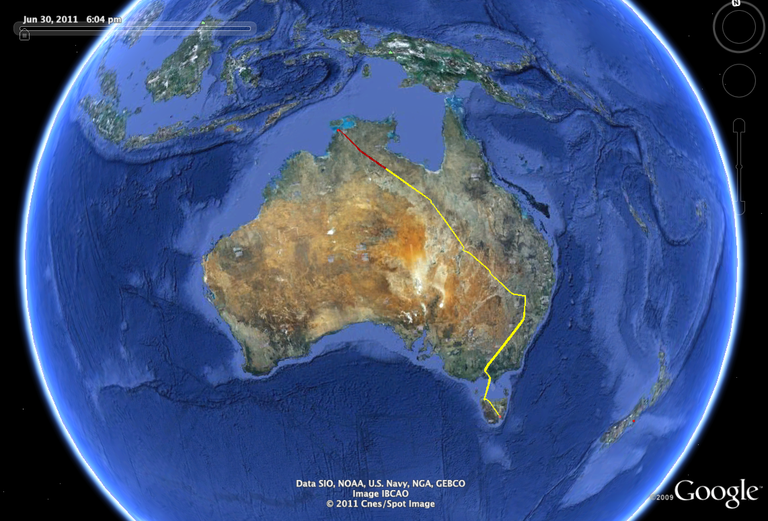
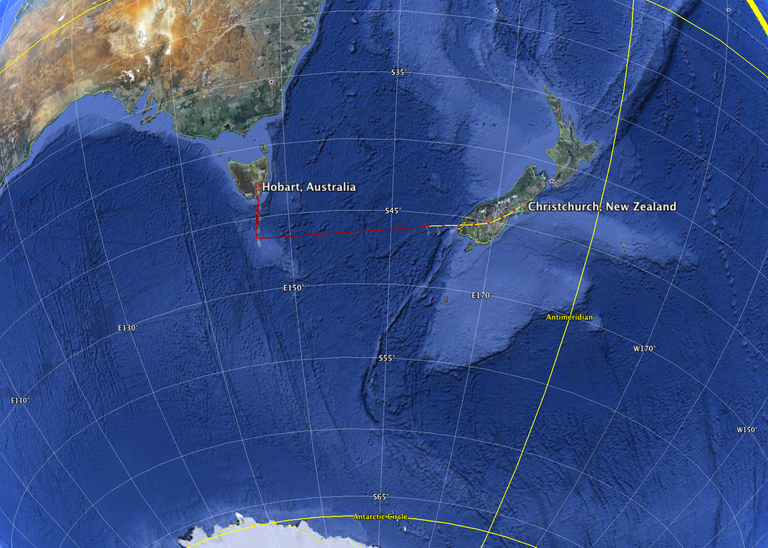
The Southern Ocean was under solid cover during the flight from Christchurch, New Zealand to Hobart, Australia, on the island of Tasmania. However the GV was able to get low enough to sample the boundary layer on most dips. The boundary layer is a low level layer in the atmosphere that is directly influenced by its contact and interaction with the surface of the earth, both land and sea. It is an important atmospheric layer to sample as it is mixed very well, and it is the layer that directly influences life on Earth, while the layer above has more bands and streaks of various air samples. The boundary layer is, for the most part, where the majority of the weather that we see and experience exists.
Special precautions were taken to avoid the ash cloud that is circumnavigating the Southern Hemisphere, causing issues with flight traffic, mostly due to safety concerns for the aircraft. Many forecast models were consulted, and with a highly calculated and educated decision, the HIPPO team planned a conservative flight for their "Southern Polar Region" flight, going only as far south as about 46.5ºS, and then turning North to Hobart. They did not encounter any ash along the way and arrived happily in Tasmania.
HIPPO IV: Research Flight 05 - Cook Islands to New Zealand
June 25, 2011
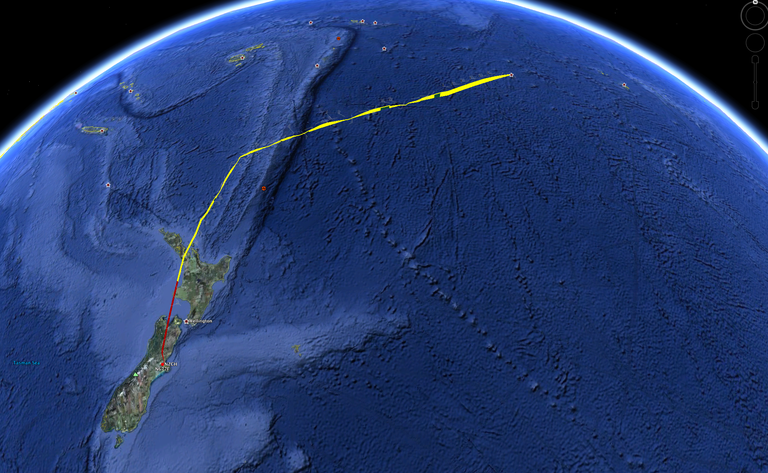
Research Flight 05 took off from Rarotonga, Cook Islands headed to Christchurch, New Zealand, performing 7 dips. This flight was delayed by one day due to the volcanic ash cloud from the Puyehue-Cordón Caulle volcano in Chile, that was traveling in the vicinity of Christchurch, New Zealand. Forecasts indicated the high pressure system over Australia would move slowly to the East, likely pushing the ash cloud to the south and east of the flight track, which enabled a safe approach into Christchurch in clear air.
Kudos to the pilots, Air New Zealand and the NOAA forecasting team for their support and hard work to determine a safe flight plan that did not encounter any ash!
HIPPO IV: Research Flight 04 - Hawaii to Cook Islands
June 22, 2011
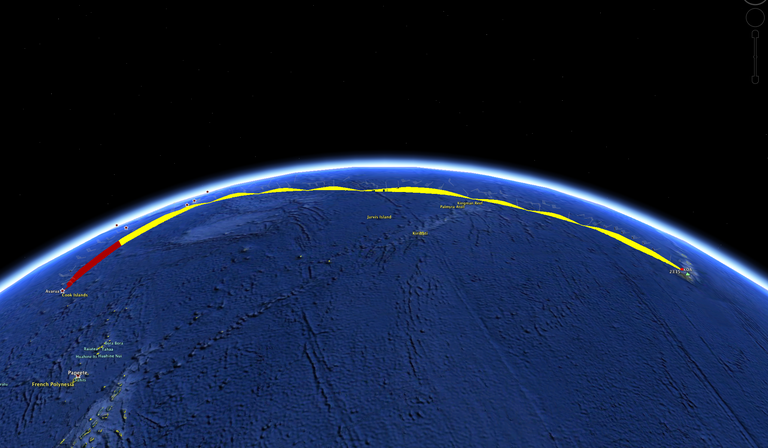
Due to some unforeseen circumstances, RF04, was delayed to Thursday June 22 and flew to Rarotonga, Cook Islands, rather then the planned flight to Pago Pago, American Samoa on June 21. 8 dips, 2 of which reached altitudes of 40,000', were performed along the way.
Each day prior to a flight, there is a full weather report and discussion surrounding the planned flight. Much of the HIPPO IV catalog is open to the public, so anyone can view the weather report for a give day - for example viewers can see the weather report for June 22, 2011.
Viewers can also see all the images, and the combined images to make a movie from the forward looking camera on the GV, in the HIPPO IV Field Catalog.
HIPPO IV: Research Flight 02 - Northern Polar Region
June 16, 2011
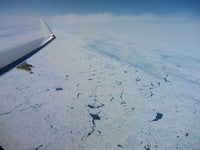
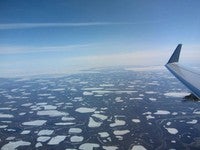
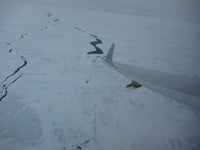
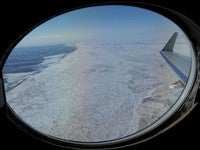
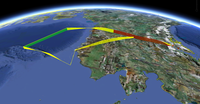 The 8-hour long flight from Anchorage, Alaska to 84º North and back performed 5 dips and collected critical data from the Arctic regions.
The GV traveled as far north as possible, and made it all the way to 84° North, just 6° shy of the North Pole. The aircraft needed enough fuel to get back to Anchorage, which is why it turned around when it did, but it still was able to get great samples of the atmosphere at northern latitudes.
A missed approach was completed in Fairbanks, Alaska. During the missed approach, the aircraft is maneuvered as if it were going to land, then a few hundred feet above the surface, prior to "landing", the airplane starts to climb and ascend back into the atmosphere. Missed approaches are well-planned maneuvers that allow the scientists to collect data at low levels over land where flying at such low altitude is prohibited.