Main navigation

NCAR Logo
Earth Observing Laboratory
Contact Us
  • Who We Are
    • About EOL
    • EOL Organization
    • Career and Internships
    • Contact EOL
  • Platforms & Instruments
    • Research Aircraft
    • Airborne Instrumentation
    • Ground-based Instrumentation
    • Request FARE Instrumentation
  • Field Programs
    • All EOL Field Programs
    • Field Campaign Schedules
  • Our Services
    • Field Program Support Services
    • Project Management
    • Education & Outreach
    • Local Weather and Webcams
  • Data & Software
    • Data Services
    • EOL Field Data Archive (DMS)
    • EOL Field Catalog (DMS)
    • Conventions and Standards
    • Software Center
    • ASPEN
  • Research & Development
    • APAR
    • LOTOS
    • Calibration Laboratory
    • EOL Research Publications
    • Design and Fabrication Services
  • News & Events
    • EOL in the News
    • EOL Seminar Series
    • EOL Workshop Series
    • EOL Conferences/Workshops/Events
    • 2026 AVAPS Group Meeting
    • FARE Users Workshop 2023 Archives
Contact Us

Breadcrumb

  1. Home

Search

Skip to filters

Organic aerosol characterization by complementary measurements of chemical bonds and molecular fragments

Oxidation of ketone groups in transported biomass burning aerosol from the 2008 Northern California Lightning Series fires

Characteristics and source apportionment of VOCs measured in Shanghai, China

Global comparison of VOC and CO observations in urban areas

Detection of particle-phase polycyclic aromatic hydrocarbons in Mexico City using an aerosol mass spectrometer

Development and characterization of an ion trap mass spectrometer for the on-line chemical analysis of atmospheric aerosol part

A laser desorption-electron impact ionization ion trap mass spectrometer for real-time analysis of single atmospheric particles

willow

willow
 
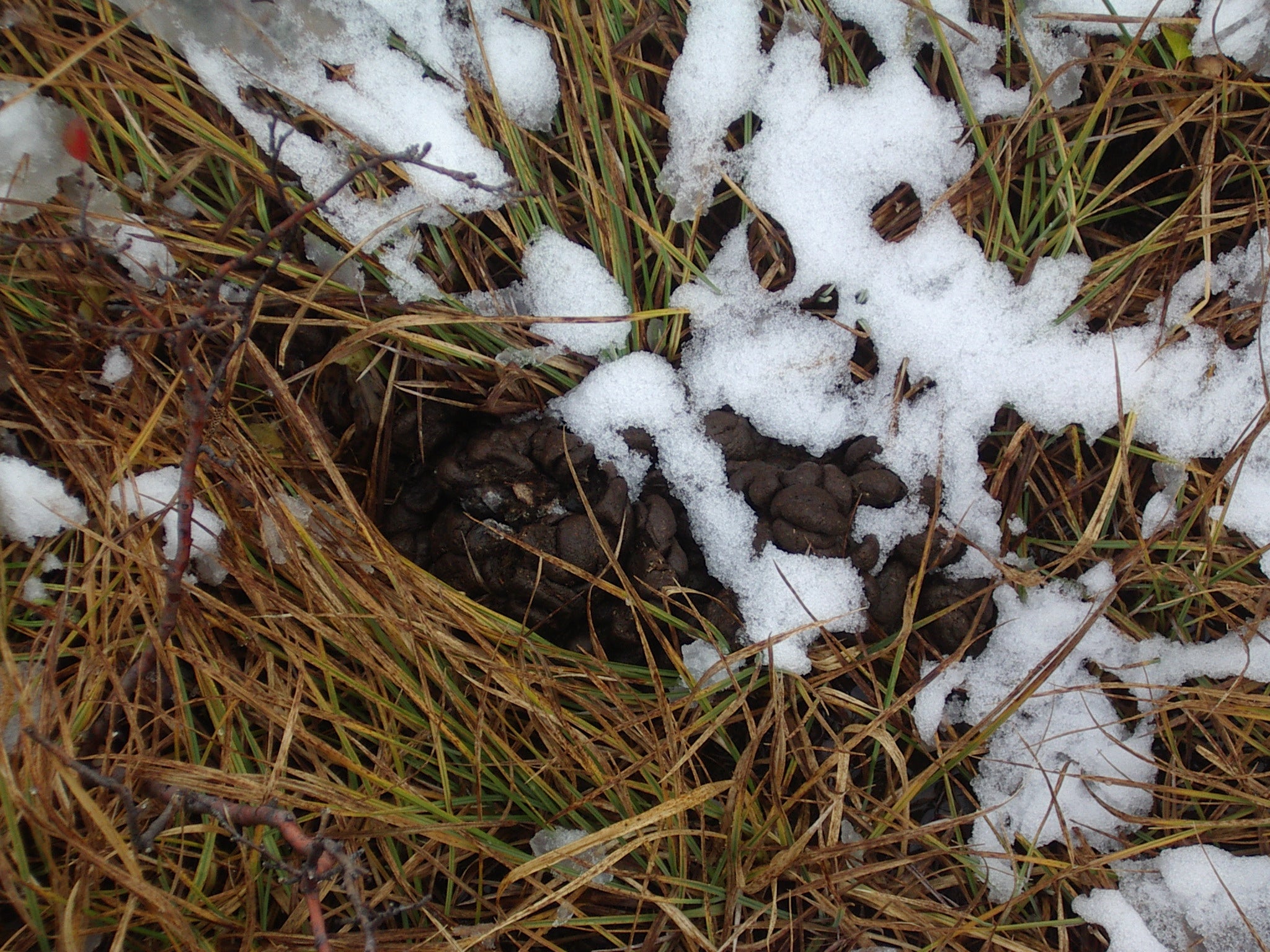
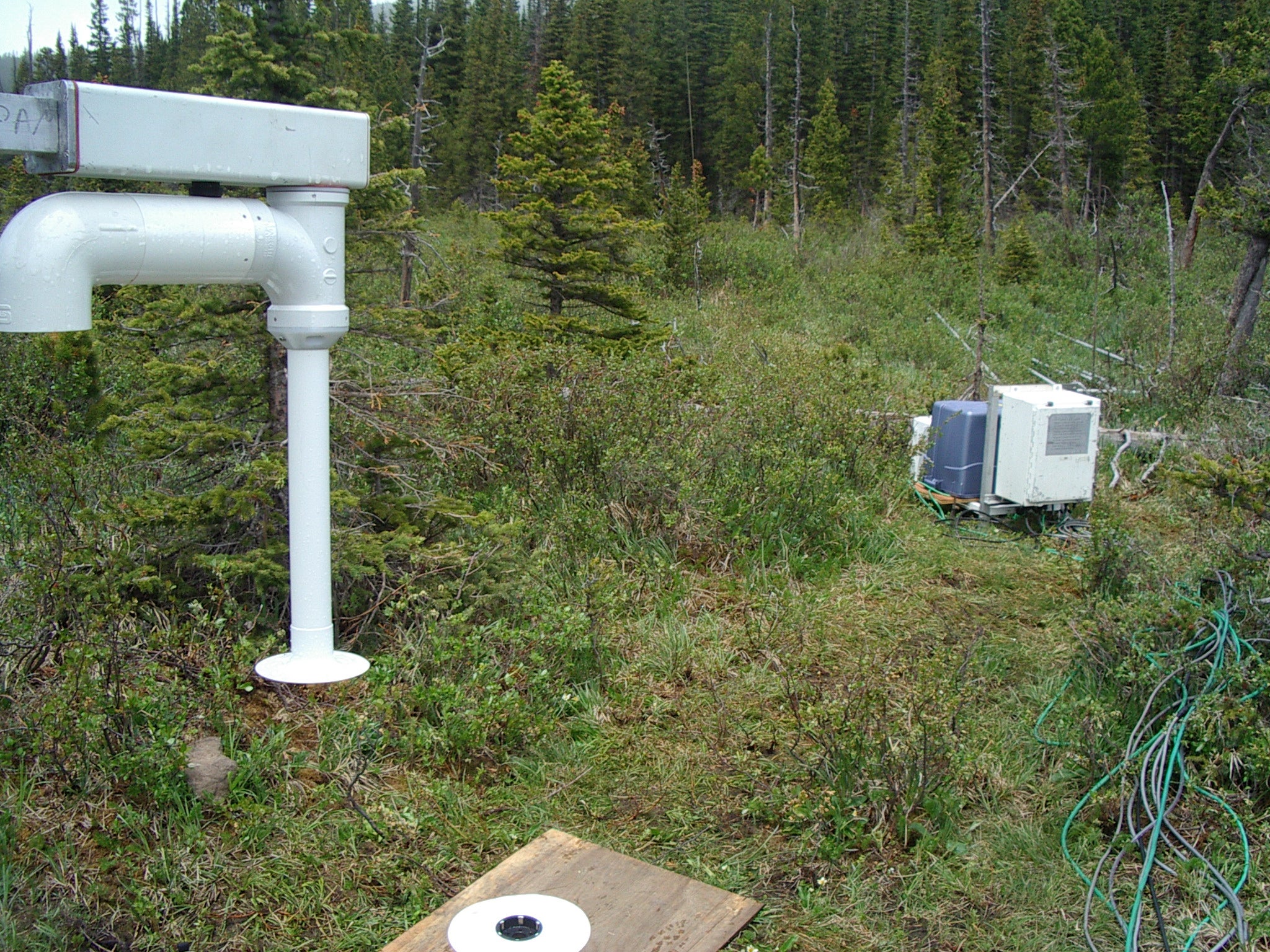
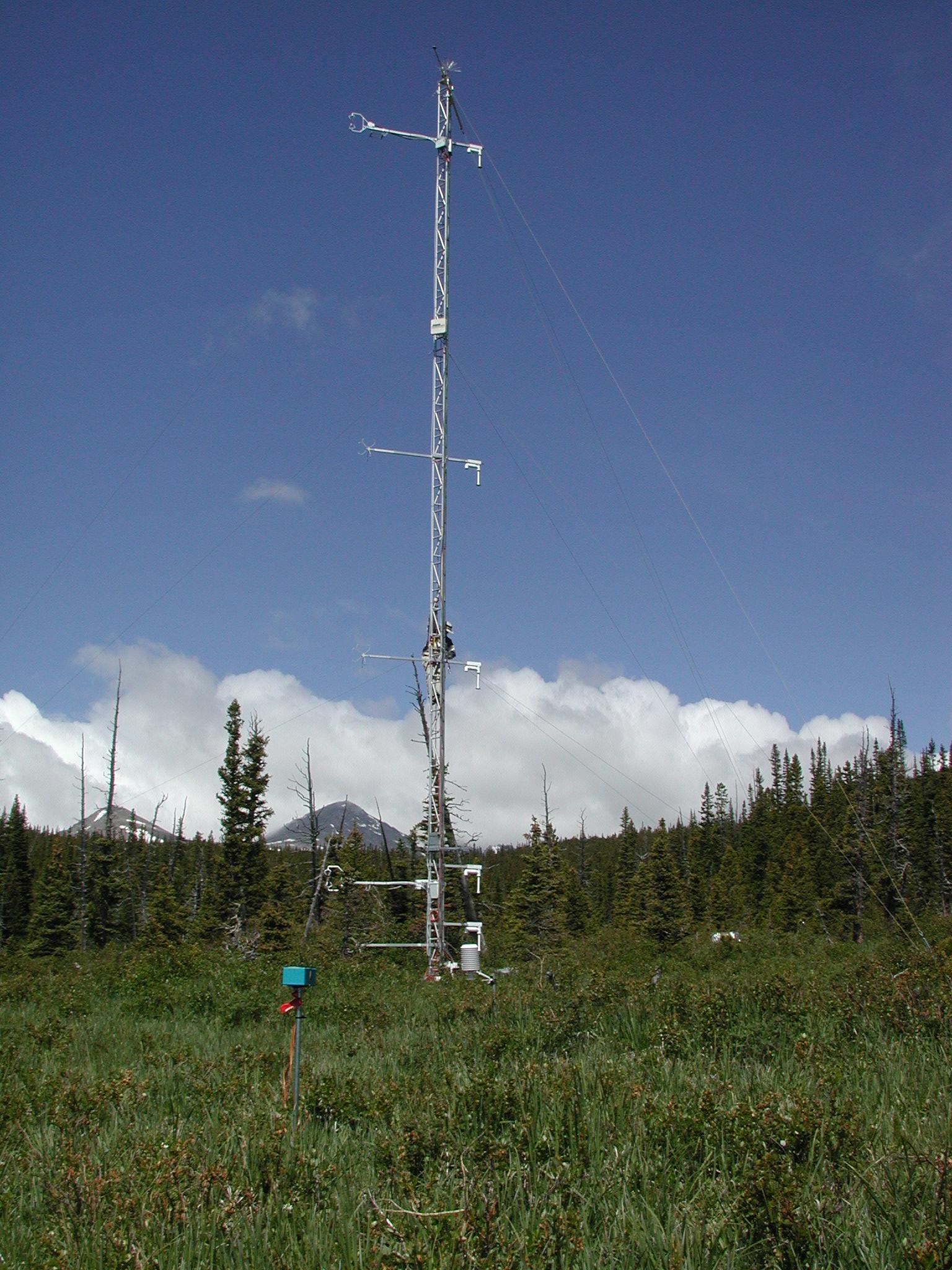
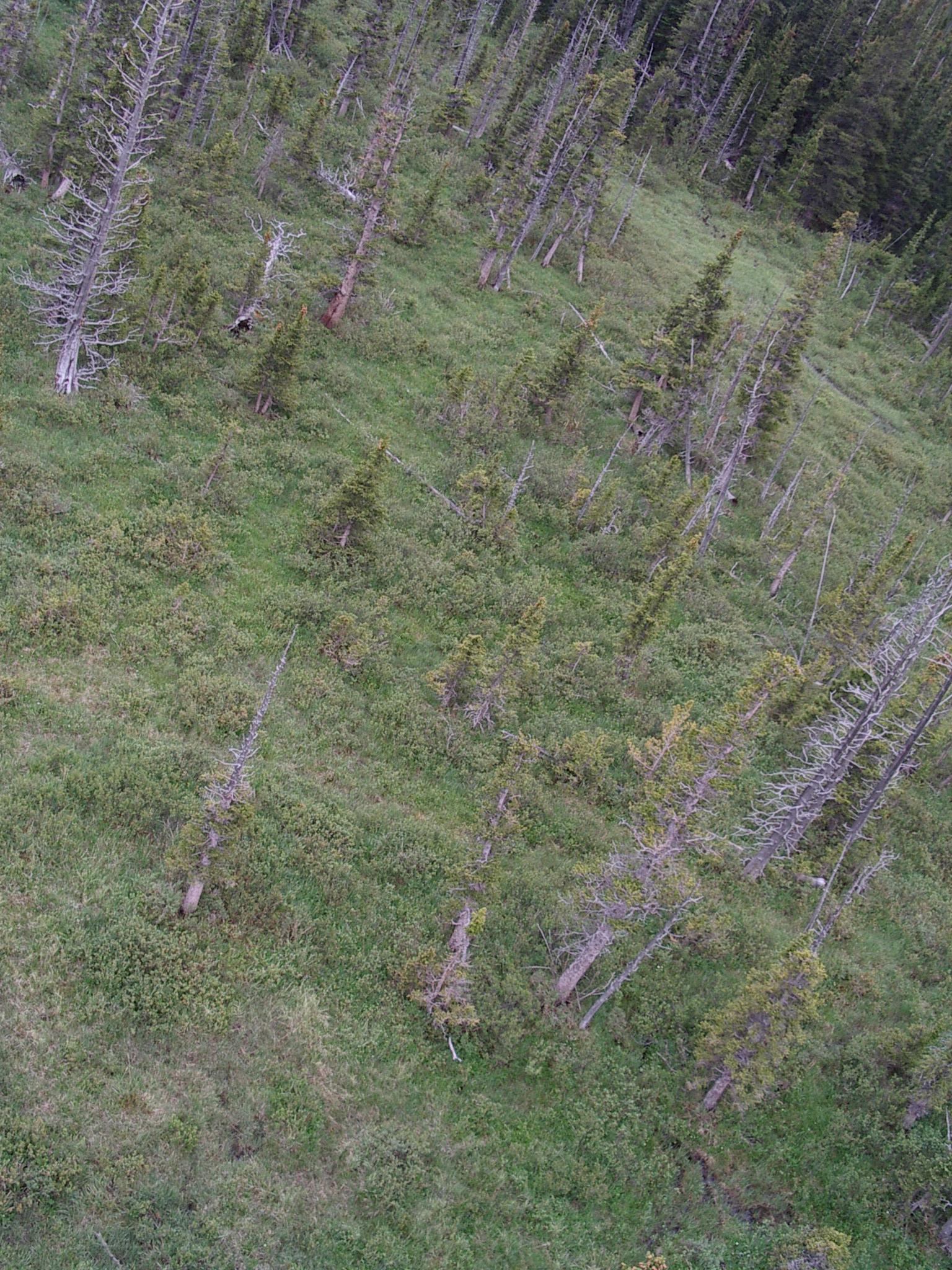
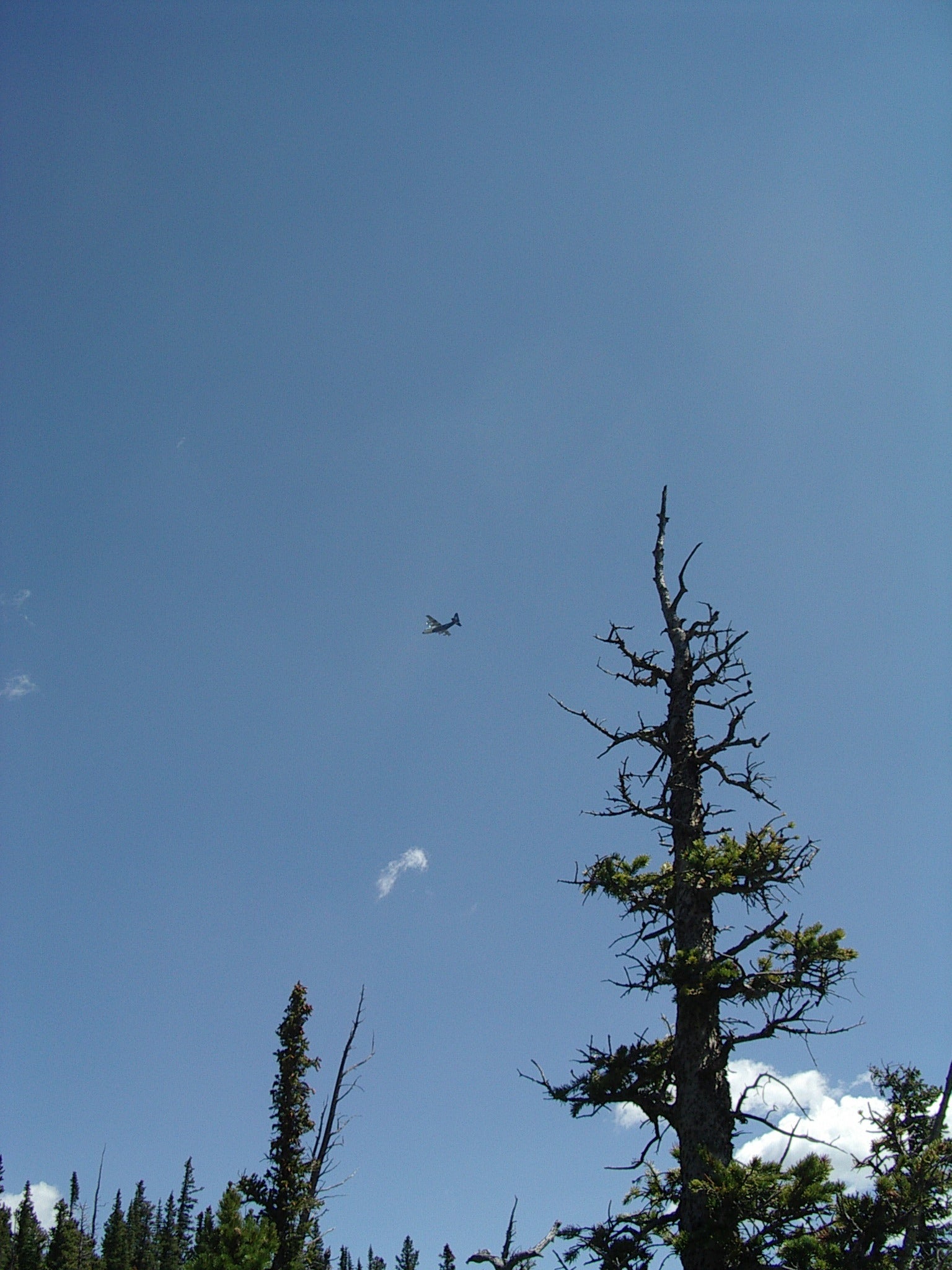
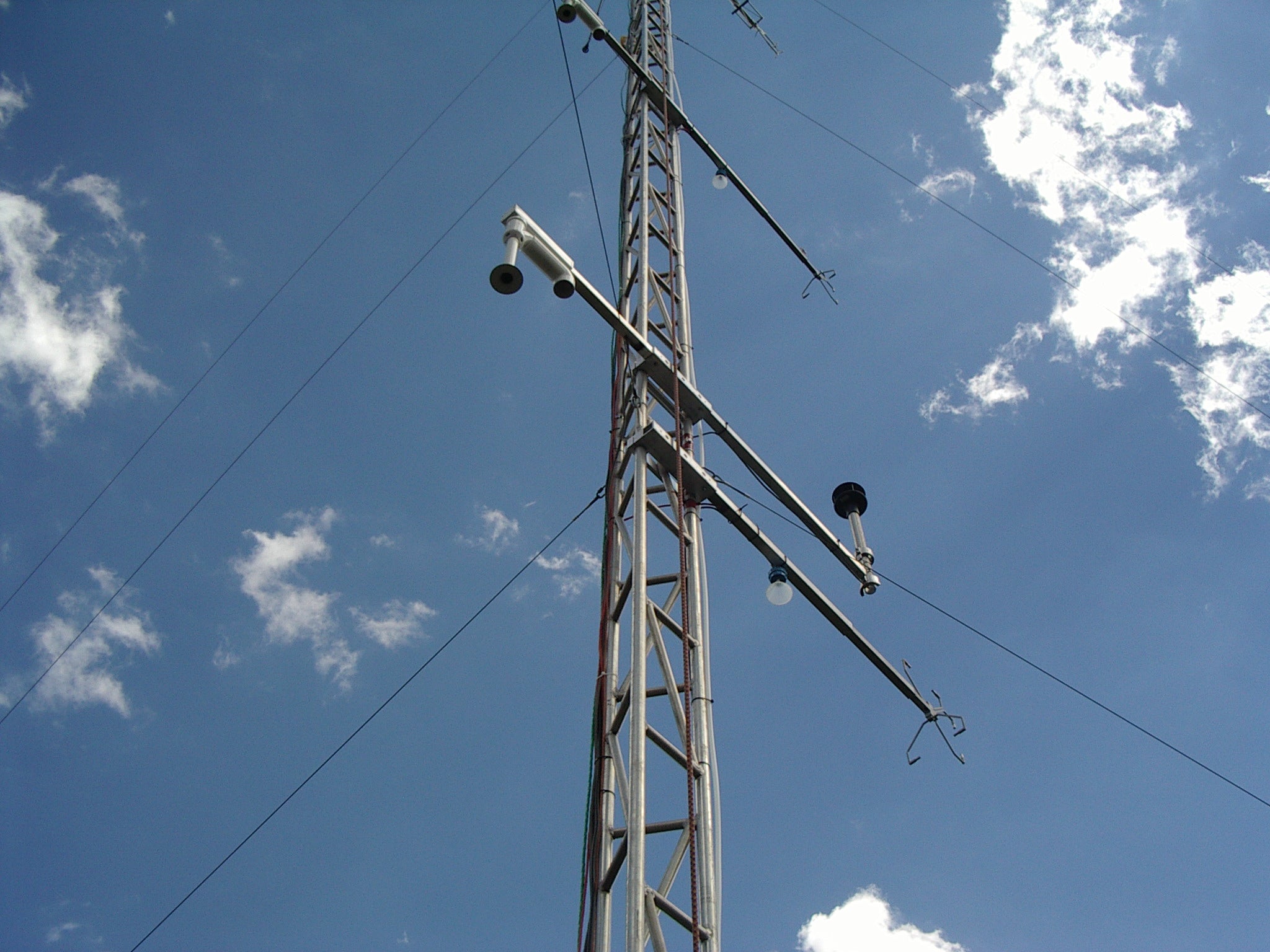
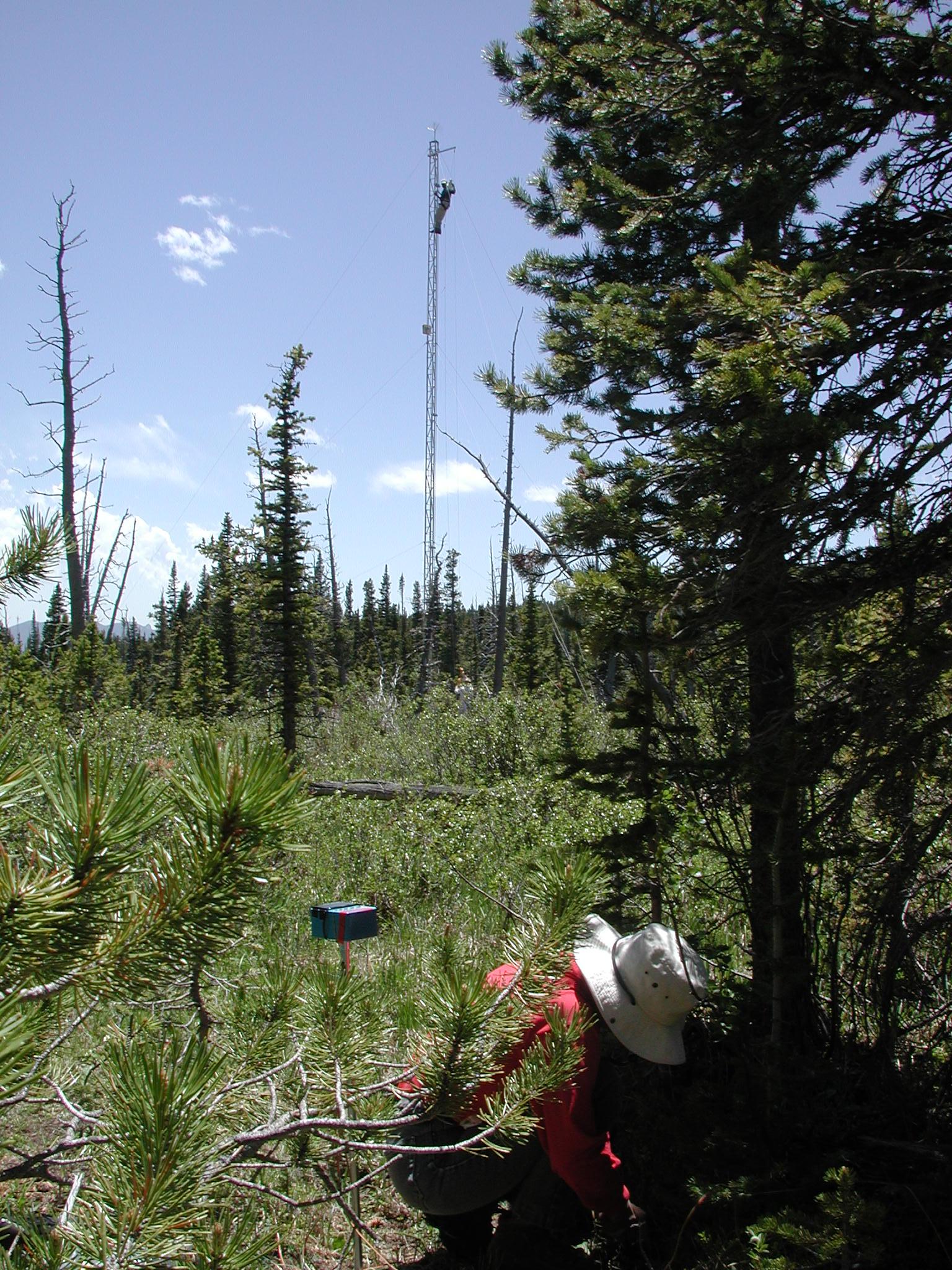
IMGP1436.JPG jul02 (4)
imgp1681.jpg oct01 (4)
imgp1373.jpg jun17 (9)
dscn2358.jpg jul01 (9)
imgp1426.jpg jun29 (10)
imgp1550.jpg jul29 (3)
imgp1595.jpg aug31 (4)
dscn2350.jpg jun10 (6)


Images
IMGP1436.JPG
imgp1681.jpg
imgp1373.jpg
dscn2358.jpg
imgp1426.jpg
imgp1550.jpg
imgp1595.jpg
dscn2350.jpg
CME04 Publications

CME04 Publications

Data Access

CME04 Data Access

CME04

Data Access

Gallery

CME04

Links

Photos

Schedule

Variable Table

TSoil

postcals

Logbook

Facilities & Instruments

Integrated Surface Flux System (ISFS)

Characterization of the volatile fraction of laboratory-generated aerosol particles by thermodenuder-aerosol mass spectrometer

An examination of soot composition in premixed hydrocarbon flames via laser ablation particle mass spectrometry

Content type

Pagination

  • First
  • Previous
  • …
  • Page 86
  • Page 87
  • Page 88
  • Page 89
  • Current page 90
  • Page 91
  • Page 92
  • Page 93
  • Page 94
  • …
  • Next
  • Last

NSF NCAR

  • NSF NCAR Homepage
  • ACOM | Atmospheric Chemistry Observations & Modeling
  • CGD Laboratory
  • CISL | Computational & Information Systems
  • EdEC | Education, Engagement & Early-Career Development
  • EOL | Earth Observing Laboratory
  • HAO | High Altitude Observatory
  • MMM | Mesoscale & Microscale Meteorology
  • RAL | Research Applications Laboratory

UCAR

  • UCAR Homepage
  • Community Programs
  • Education & Training
  • For Staff
  • Government Relations & External Engagement
  • Member Institutions
  • Tech Transfer & Engagement
  • University Collaboration

EOL

Follow us on social media

For Staff

  • Website Login
  • NCAR/UCAR Help Desk
  • EOL on Sundog

© 2026 UCAR

  • Privacy
  • Cookies
  • Web Accessibility
  • Terms of Use
  • Copyright Issues
  • Sponsored by U.S. NSF
  • Report Ethics Concern
  • Staff Login
Postal Address: P.O. Box 3000, Boulder, CO 80307-3000 • Shipping Address: 3090 Center Green Drive, Boulder, CO 80301
NSF Logo

This material is based upon work supported by the NSF National Center for Atmospheric Research, a major facility sponsored by the U.S. National Science Foundation and managed by the University Corporation for Atmospheric Research. Any opinions, findings and conclusions or recommendations expressed in this material do not necessarily reflect the views of the U.S. National Science Foundation.