GOTHAAM
Greater New York Oxidant Trace Gas Halogen and Aerosol Airborne Mission
PROJECT DATES
07/16/2025 - 08/31/2025
Project Location
New York City
PROJECT DESCRIPTION
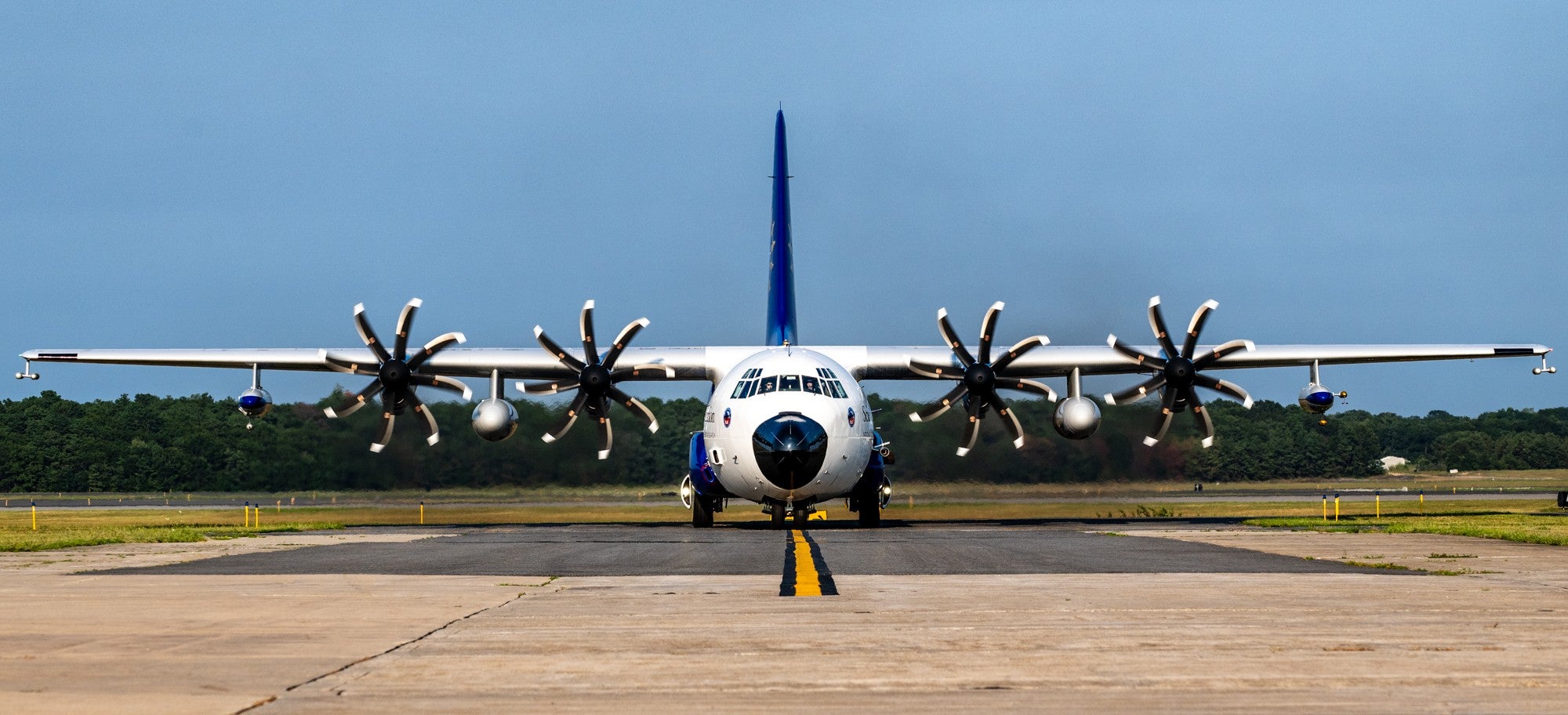
Why It Matters - Understanding how chemical processes change throughout the diel cycle improves air-quality forecasts and guides smarter strategies to reduce ozone and harmful airborne particles in urban areas.
GOTHAAM investigated how atmospheric chemical oxidation processes unfold over the diel cycle in the Greater New York City region during summer.
The objectives included:
- identifying and quantifying the contributions of volatile organic compounds from consumer products (VCPs), fossil fuel-derived sources (VOCff), and natural plant emissions (BVOC) to OH reactivity, ozone formation, and secondary organic aerosol (SOA) formation during different meteorological conditions;
- determining the relative importance of different oxidation pathways that drive VOC processing and SOA evolution during daytime;
- quantifying nighttime oxidation processes, including the role and partitioning of reservoir species such as ClNO2, and assessing how nighttime chemistry influences next morning chemical reactions and aerosol loading;
- providing a rigorous evaluation of chemical mechanisms in state-of-the-art chemistry transport models.
John Mak
CONTACT INFORMATION
Principal Investigators
- John Mak (SUNY at Stony Brook)
- Ann Marie Carlton (University of California Irvine)
- Delphine Farmer (Colorado State University)
- Lyatt Jaeglé (University of Washington(
- Daniel Knopf (SUNY at Stony Brook)
- Lee Mauldin (University of Colorado)
- Kerri Pratt (University of Michigan)
- Paul Shepson (SUNY at Stony Brook)
- Joel Thornton (University of Washington)
- Glenn Wolfe (NASA GSFC)
EOL Project Manager:
- Cory Wolff - NCAR/EOL/RAF
Data Manager:
- EOL Archive - NCAR/EOL/DMS