ISARRA
INFUSSE - ISARRA Northern Florida UAS Sampling of the Shoreline Environment
ISARRA: International Society for Atmospheric Research using Remotely piloted Aircraft
Why It Matters - Advance UAS technology and capabilities in atmospheric research. Contribute to our understanding of coastal boundary-layer processes and their role in convective initiation.
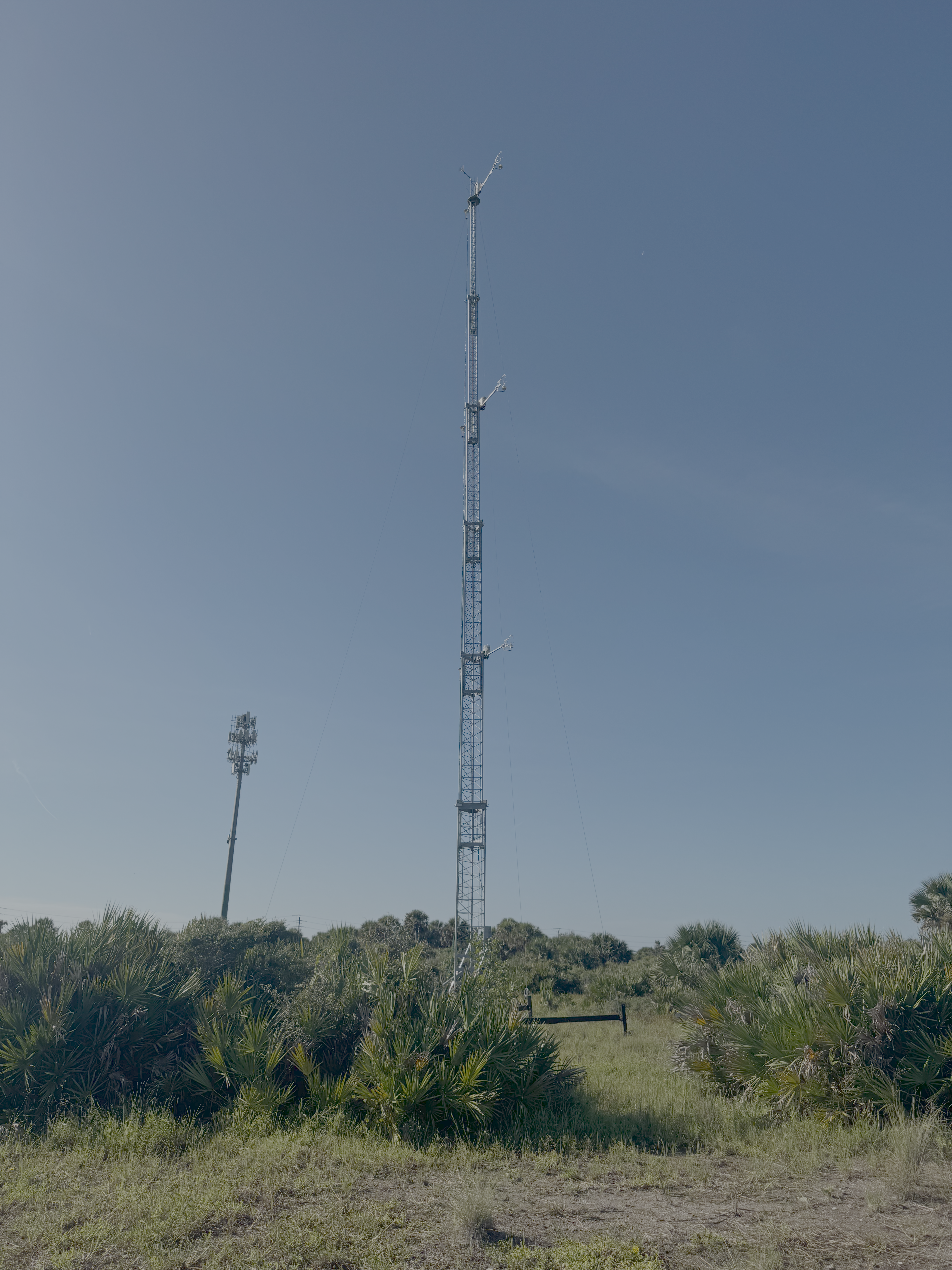
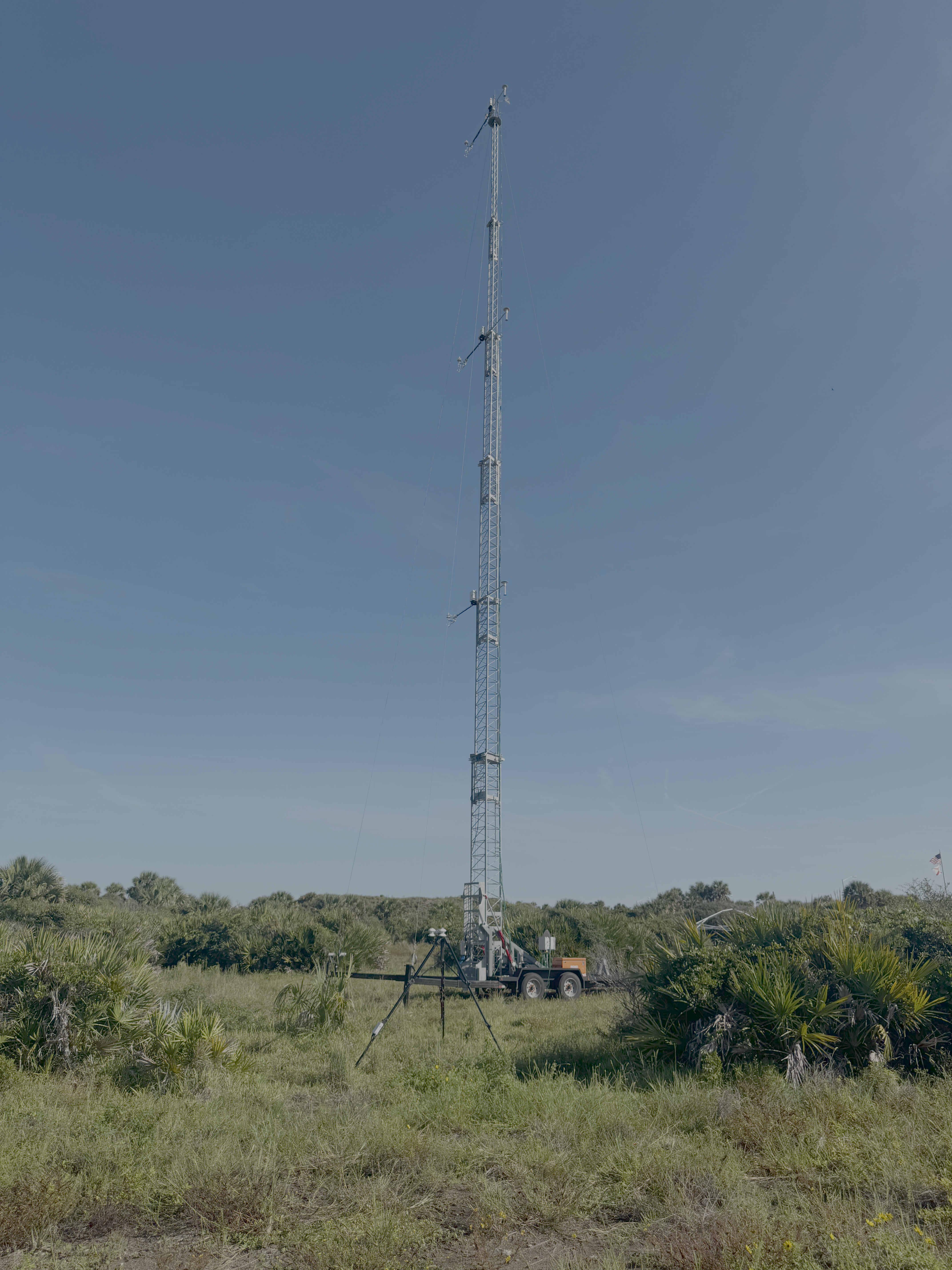
INFUSSE investigates how variability in boundary-layer flows associated with the land–sea-breeze circulation influences convective initiation over coastal regions. During the ISARRA Flight Week at Marineland, Florida, the experiment will collect continuous in-situ tower observations of temperature, moisture, wind, and radiative fluxes, complemented by intensive uncrewed aircraft systems (UAS) profiling during multiple land–sea-breeze cycles. These collocated measurements will enable a detailed investigation of the mechanisms governing convective initiation under coastal meteorological regimes, where mesoscale circulations, surface heterogeneity, and turbulent flux exchanges strongly influence storm development.
Beyond its scientific objectives, the project integrates a significant educational and outreach (E&O) component. Students from ERAU and participating universities will engage directly in instrumentation setup, flight planning and execution, and data analysis. This experiential framework will train the next generation of atmospheric scientists and engineers in field measurement techniques, observational strategies, and scientific synthesis. The NCAR tower will remain deployed for approximately one month to capture multiple diurnal transitions, providing both an educational testbed and a high-value dataset for student research and publication.
Principal Investigators
- Kevin Adkins - Embry-Riddle Aeronautical University
- James Pinto - NCAR Research Applications Laboratory
- Avinash Krishnan - Embry-Riddle Aeronautical University
- Daniel Halperin - Embry-Riddle Aeronautical University
- Joshua Wadler - Embry-Riddle Aeronautical University
- Trevor Simoneau - Embry-Riddle Aeronautical University
Data Manager:
- EOL Archive - NCAR/EOL/DMS