Search
Here is a short description about this group of resources.





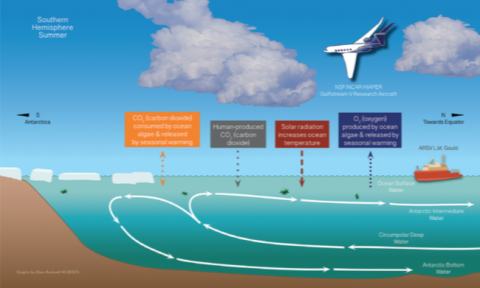
Observing the atmosphere so science can see further.
The Earth Observing Laboratory exists to advance weather and Earth System science across the university-based research community. We bring cutting-edge atmospheric observing systems, expert leadership, and scientific guidance to field campaigns proposed by universities, government agencies, and NSF NCAR - anywhere on Earth the atmosphere needs watching.
As stewards of a major share of the Lower Atmosphere Observing Facilities (LAOF) within NSF's Facilities for Atmospheric Research and Education (FARE) program, we deploy world-class instruments in support of science that matters. Education and community support are woven into everything we do.
EOL's mission is organized around four key initiatives:
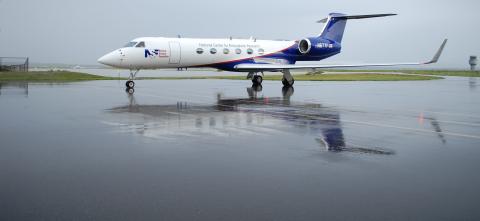
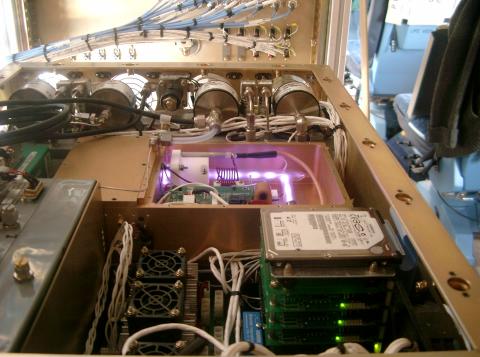
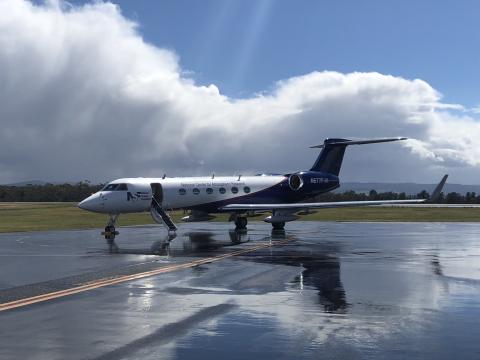
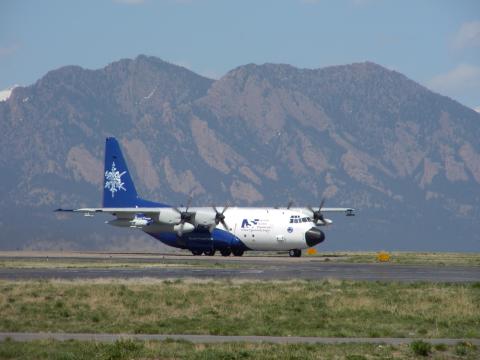
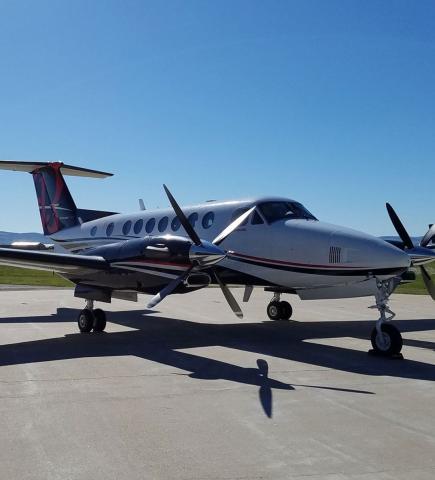
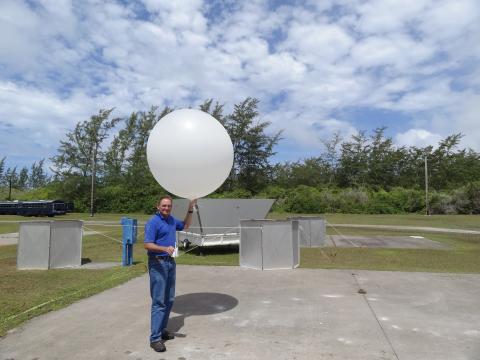
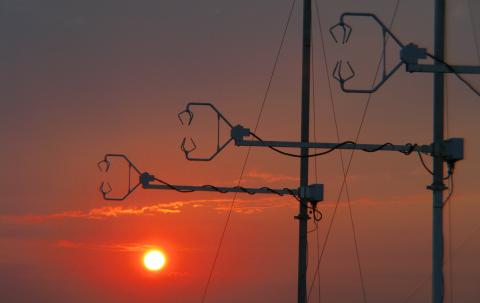
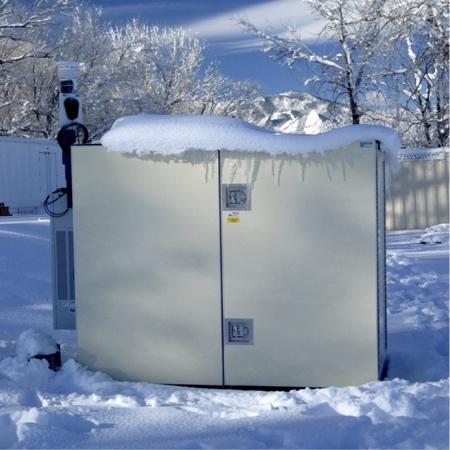
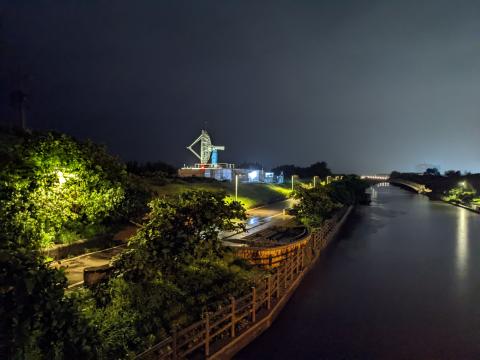
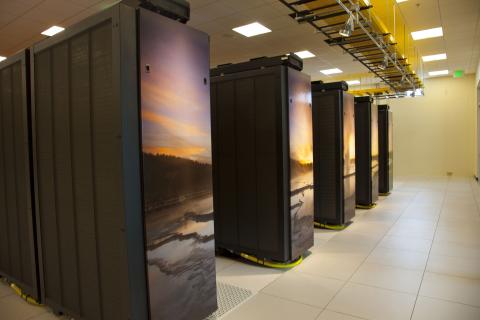
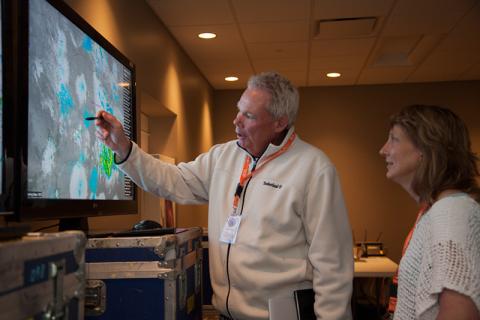

Geosciences research often requires specialized facilities, instrumentation, and field support services to carry out scientific fieldwork needed to understand the complex, interdependent geophysical processes, frequently covering remote areas of the globe.
Through its Atmospheric and Geospace Sciences (AGS) Section, the National Science Foundation provides funding for the acquisition, operation, maintenance, and upgrading of several large research platforms and instrumentation to support observational meteorology. AGS supports state-of-the-art instruments and facilities through the Facilities for Atmospheric Research and Education (FARE) Program. The FARE Program includes the Lower Atmosphere Observing Facilities (LAOF) and the Community Instruments and Facilities (CIF). Current instrumentation and facilities are available for request under the NSF Facility and Instrumentation Request Process (FIRP) solicitation.
EOL, together with the University of Wyoming (UWyo), maintains and operates this suite of instruments on behalf of the NSF. Referred to as the NSF Lower Atmosphere Observing Facilities (LAOF), these platforms include: